
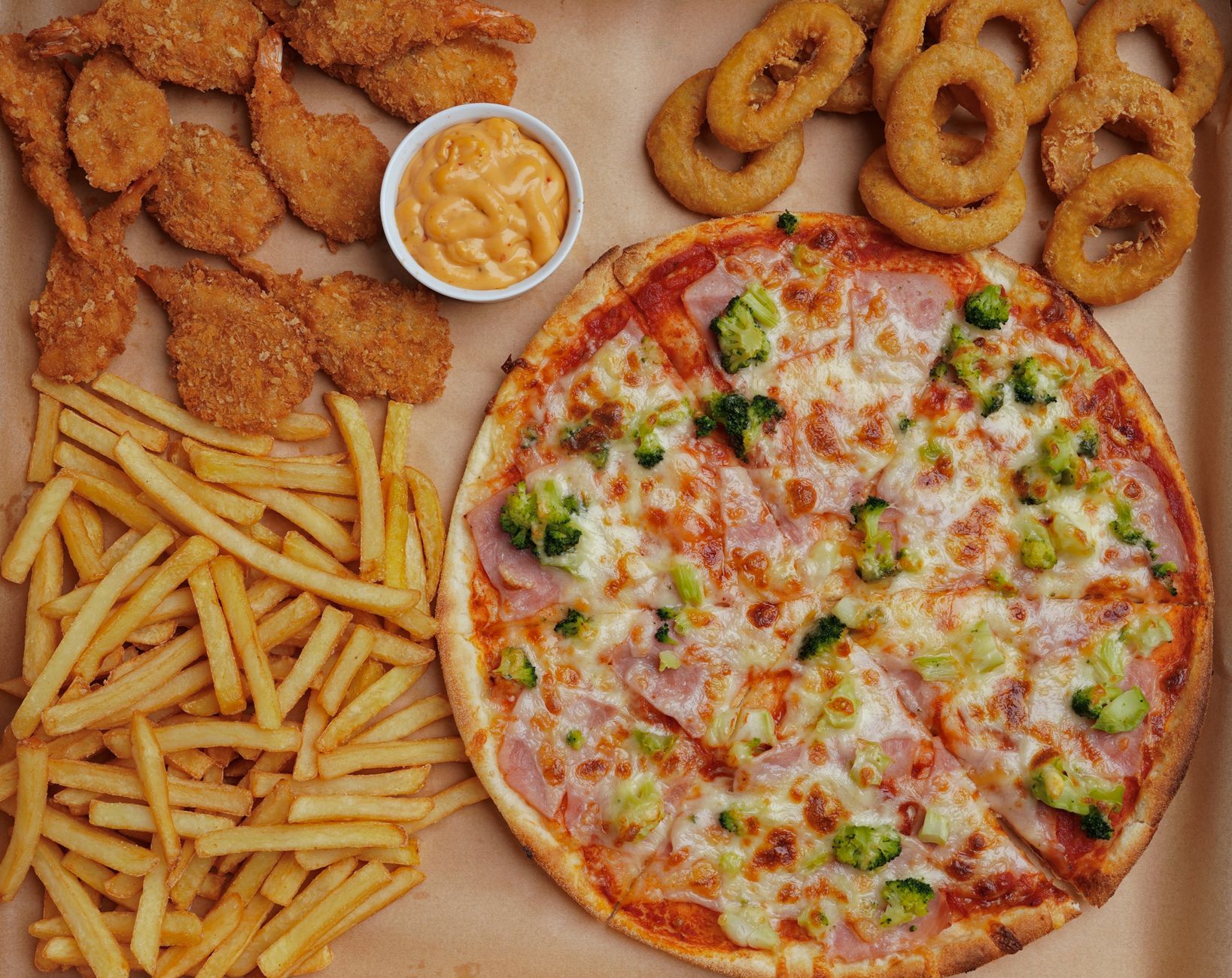
Understanding what to eat before engaging in anal sex is important for both comfort and enjoyment. Certain foods can lead to digestive disturbances, bloating, and discomfort, which might detract from the experience. In this article, we’ll explore foods and eating habits to avoid, along with meal suggestions that can promote a more enjoyable encounter.
This guide will help you navigate choices that support your body and enhance your comfort. By knowing what not to eat, you can take proactive steps for a more pleasant experience.
What Not to Eat Before Anal Sex?
Before engaging in anal sex, it’s wise to avoid heavy, fatty, and hard-to-digest foods. High-fiber foods, spicy dishes, and dairy can also disrupt digestion and cause discomfort. Instead, focus on light meals that are easy to digest and won’t leave you feeling bloated.
Foods to Avoid
Here’s a detailed breakdown of specific food categories to steer clear of before anal sex:
Fatty and Greasy Foods
- Fried foods
- Fast food
- Rich sauces
High-fat content can slow down digestion, leading to feelings of bloating or discomfort. Foods like fried chicken, burgers, and creamy sauces can weigh heavily on your stomach.
High-Fiber Foods
- Beans and legumes
- Whole grains
- Cruciferous vegetables (broccoli, cauliflower, etc.)
Fiber is often lauded for its digestive benefits; however, high-fiber foods can also produce gas. Beans and legumes, though nutritious, can lead to gas and bloating. Whole grains and cruciferous vegetables likewise may cause discomfort due to their high fiber content.
Spicy Foods
- Hot peppers
- Curry dishes
- Southwestern-style cuisine
Spices can irritate the digestive tract and may lead to an upset stomach or even diarrhea. When preparing for intimacy, it is best to avoid anything spicy that could cause digestive distress.
Dairy Products
- Milk
- Cheese
- Ice cream
Dairy can be a source of discomfort, particularly for those who are lactose intolerant. Even if you aren’t, excessive dairy can lead to bloating or gas, so it’s wise to limit consumption close to the event.
Heavy Proteins
- Red meats
- Processed meats
Foods high in protein, especially red or processed meats, can take longer to digest. This can result in a feeling of fullness and discomfort that can hinder your ability to enjoy the experience.
Alcohol and Carbonated Beverages
- Bubbly drinks (soda, champagne)
- Sweet cocktails
Both alcohol and carbonated drinks can introduce gas into your digestive system, leading to bloating and discomfort. Moreover, alcohol can also impair judgment and lower sexual inhibitions, which may not be ideal for everyone.
What to Eat Instead
While certain foods can be problematic, there are many delicious options that can support a more enjoyable experience. Here are some meal ideas that are gentle on the stomach and easy to digest:
Lightly Cooked Foods
- Steamed vegetables (carrots, zucchini)
- Baked or steamed fish
- Rice or quinoa
Opt for lightly cooked vegetables to keep gas production at bay. Baked or steamed fish is a great protein option that is easy on the stomach. Pair it with rice or quinoa for a well-rounded meal that includes carbohydrates.
Soups and Broths
- Chicken or vegetable broth
- Light soups (tomato, miso)
Broths and light soups can help keep you hydrated and are easy to digest. Consider a simple vegetable broth or a light tomato soup to stay nourished without feeling heavy.
Fruits and Mild Snacks
- Bananas
- Applesauce
- Oatmeal
Opt for fruits like bananas or applesauce, which are often easier to digest. Oatmeal is another wonderful choice that adds substance without excessive fiber content when prepared moderately.
Herbal Teas
- Peppermint tea
- Ginger tea
Herbal teas can soothe the stomach and aid digestion, making them great pre-intimacy beverages. Peppermint and ginger teas are particularly beneficial for calming any digestive unrest.
Meal Timing
It’s not just about what you eat but also when you eat it. Timing your meals properly can make a significant difference:
- Eat at least 2-3 hours before any intimate activity.
- Avoid large meals right before engagement; a smaller meal is better.
Allowing your body time to digest can help minimize any uncomfortable sensations. Larger meals can lead to bloating and a feeling of fullness that can detract from the experience.
Practical Tips for a Comfortable Experience
Besides mindful eating, consider these additional tips to enhance comfort during intimacy:
Stay Relaxed
Stress and anxiety can impact digestion. Engage in relaxation techniques such as deep breathing or meditation before intimacy to help ensure your body is in a relaxed state.
Hydration
Staying hydrated is key. However, avoid excessive amounts of liquid right before engaging to prevent being overly full. Sipping water throughout the day is ideal.
Physical Preparation
Engage in light physical activity to help with digestion. Taking a short walk can stimulate your digestive system and make you feel less bloated.
Serving Suggestions
Here are some flavorful ways to combine the suggested foods into simple meals:
Simple Steamed Fish with Quinoa
- Steam a fillet of fish (such as salmon or cod) with herbs like dill and a squeeze of lemon.
- Prepare a serving of quinoa according to package instructions; flavor it lightly with salt and pepper.
- Serve the fish over the quinoa, accompanied by lightly steamed zucchini or carrots.
Light Vegetable Soup
- In a saucepan, combine vegetable broth with your choice of diced vegetables (carrots, celery, zucchini).
- Simmer until vegetables are tender, season lightly with salt and pepper.
- Serve warm with a slice of whole-grain bread, if desired.
Final Thoughts
Making informed food choices before engaging in anal sex can significantly enhance the experience by minimizing discomfort and promoting relaxation. Avoiding heavy, fatty, and gas-inducing foods while focusing on light, easily digestible meals is essential.
As a final tip, always communicate openly with your partner about comfort levels and preferences. Taking responsibility for food choices will go a long way in ensuring that both partners enjoy the experience.
For more tips on meal planning and delightful recipes that support various dietary needs, feel free to explore related content for more ideas on how to enhance your dining experience. Consider checking out our guides on healthy meal prep, light snack ideas, or nutritious recipes for every day.