
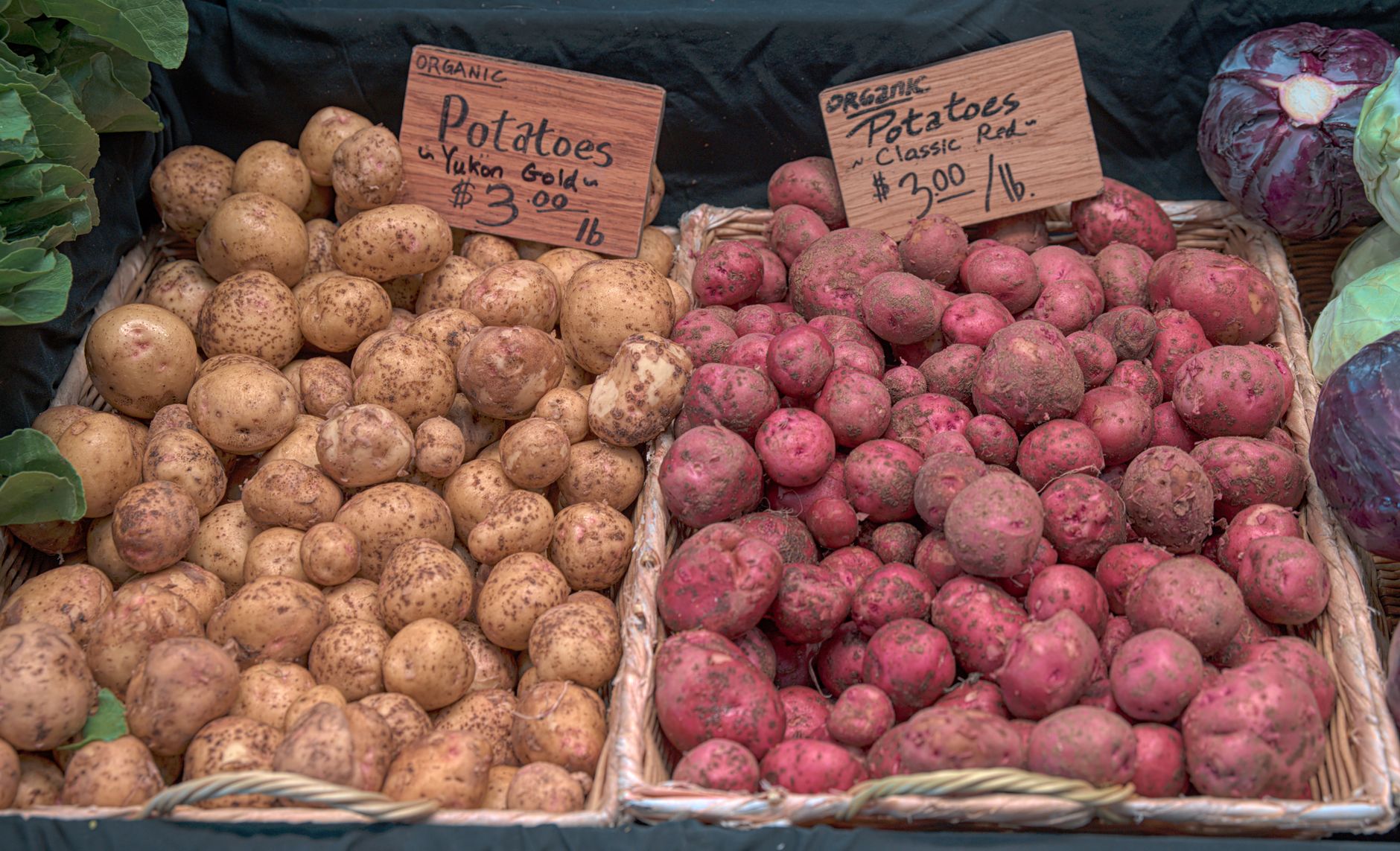
Yukon potatoes are a beloved staple in many kitchens due to their buttery flavor and smooth texture. Often used for mashing, roasting, or frying, these versatile potatoes can elevate a wide range of dishes. Understanding how many Yukon potatoes are in a pound is crucial for accurate meal planning and recipe preparation.
In this guide, we’ll explore the specifics of Yukon potatoes, including their average weight, how to measure them, potential substitutes, cooking methods, and practical cooking tips. This information will assist home cooks in easily incorporating Yukon potatoes into their meals with confidence.
How Many Yukon Potatoes in a Pound?
On average, there are about 3 to 5 Yukon potatoes in a pound. This can vary based on the size of each potato, with larger Yukon potatoes contributing fewer to the total weight. Understanding this average will help when you’re preparing recipes requiring precise amounts of potatoes.
Understanding Yukon Potatoes
Yukon potatoes, known for their thin, smooth skin and creamy yellow flesh, are particularly popular for their rich flavor profile. They are classified as all-purpose potatoes, making them perfect for a variety of cooking methods such as baking, boiling, mashing, and roasting.
Yukon potatoes have a starchy yet waxy texture, which means they hold their shape well during cooking. They are particularly delightful when roasted, offering a beautifully crisp exterior while remaining soft and tender inside.
Choosing Yukon Potatoes
When selecting Yukon potatoes, look for firm, smooth skins without blemishes or sprouts. Ideally, choose medium-sized potatoes, as these will yield the best results for recipes calling for a specific quantity. Avoid potatoes with any signs of greening, which can indicate solanine, a natural toxin that can be harmful in large quantities.
Measuring Yukon Potatoes
For recipes that specify a weight in pounds, it’s essential to weigh the potatoes accurately. Here’s a simple breakdown to help you measure Yukon potatoes:
- 1 medium Yukon potato weighs about 5 to 7 ounces.
- 3 to 4 medium Yukon potatoes typically weigh around a pound.
- 5 to 6 smaller Yukon potatoes can also equal a pound.
If you don’t have a scale, the method of counting individual potatoes can be an effective way to gauge a pound based on the quantity required in your recipe.
Variations in Yukon Potato Sizes
Yukon potatoes can vary significantly in size, which can ultimately affect how many fit into a pound. Here are some helpful size classifications:
- Small: 3 to 4 ounces per potato
- Medium: 5 to 7 ounces per potato
- Large: 8 to 10 ounces per potato
When planning meals, it’s good practice to plan for variations in size. If a recipe calls for a pound, try to use medium-sized Yukon potatoes for the most consistent results.
Cooking Techniques for Yukon Potatoes
Once you have your Yukon potatoes measured out, it’s time to cook! Here are some popular cooking methods and tips for preparing Yukon potatoes:
Boiling Yukon Potatoes
- Wash the potatoes thoroughly to remove any dirt.
- Cut larger potatoes into uniform pieces for even cooking.
- Place potatoes in a pot, cover them with cold water, and add salt.
- Bring to a boil over high heat, then reduce to a simmer.
- Cook until fork-tender, about 10 to 15 minutes, depending on size.
- Drain and let cool slightly before using as desired.
Boiled Yukon potatoes make an excellent base for mashed potatoes or potato salad.
Mashing Yukon Potatoes
- After boiling the potatoes, drain them and return them to the hot pot for a minute to evaporate moisture.
- Add butter, cream, salt, and pepper to taste.
- Mash using a potato masher or a ricer for an ultra-smooth texture.
- Serve warm as a side dish or incorporate into other recipes.
Mashed Yukon potatoes have a creamy consistency and a rich, buttery flavor that pairs well with various entrees.
Roasting Yukon Potatoes
- Preheat your oven to 425°F (220°C).
- Cut Yukon potatoes into quarters or wedges, ensuring similar sizes for even cooking.
- Place the potatoes on a baking sheet and toss with olive oil, salt, and any desired herbs.
- Roast for 25-30 minutes, flipping halfway through, until potatoes are golden brown and crispy.
Roasted Yukon potatoes make a flavorful side dish or even a base for a hearty potato salad when cooled.
Using Yukon Potatoes in Recipes
Yukon potatoes can be used in countless recipes, adding texture and flavor to your meals. Here are a couple of examples:
Loaded Mashed Yukon Potatoes
A delicious twist on classic mashed potatoes, this recipe involves adding cheese, bacon, chives, and sour cream for an indulgent side dish.
Ingredients
- 2 pounds Yukon potatoes, peeled and cubed
- 1/2 cup milk or cream
- 1/4 cup butter
- 1 cup shredded cheese (cheddar or your choice)
- 1/2 cup cooked bacon, crumbled
- 1/4 cup chopped chives
- Salt and pepper, to taste
Instructions
- Boil the Yukon potatoes until tender, then mash with butter and milk.
- Fold in cheese, bacon, and chives. Season with salt and pepper.
- Serve warm, optionally garnished with additional cheese and chives.
Yukon Potato Balls
A fun finger food perfect for parties, Yukon potato balls are made by combining mashed potatoes with cheese and breadcrumbs before frying or baking.
Ingredients
- 2 cups mashed Yukon potatoes
- 1 cup shredded cheese
- 1 cup breadcrumbs
- 1/2 teaspoon garlic powder
- 1/2 teaspoon onion powder
- Salt and pepper, to taste
- Oil for frying or cooking spray for baking
Instructions
- Preheat the oven to 400°F (200°C) if baking.
- In a bowl, mix mashed potatoes, cheese, garlic powder, onion powder, and seasoning.
- Form the mixture into balls.
- Roll in breadcrumbs for a crispy coating.
- Fry in hot oil until golden, or bake for about 15-20 minutes until crispy.
Storage and Reheating of Yukon Potatoes
Yukon potatoes can be stored raw in a cool, dark place for up to two weeks. Once cooked, if you have leftovers, store them in an airtight container in the refrigerator for up to three days.
To reheat mashed potatoes or potato dishes, microwave in intervals with added milk or butter to regain moisture. For roasted potatoes, a short bake in the oven will help restore their crispiness.
Common Mistakes and Troubleshooting
When cooking with Yukon potatoes, here are some common mistakes and how to avoid them:
- Overcooking: When boiling, be sure to check frequently for tenderness to avoid mushiness.
- Insufficient seasoning: Salt enhances the flavor of potatoes. Always taste your potato dishes before serving.
- Too much water: When making mashed potatoes, avoid adding too much water; it can make them gluey.
Practical Substitutions for Yukon Potatoes
If you find yourself without Yukon potatoes, there are a few substitutes you can use:
- Russet Potatoes: Make a great alternative for mashing and baking but have a different texture.
- Red Potatoes: Excellent for roasting and steaming, they have a waxy texture similar to Yukon.
- Sweet Potatoes: While they have a different flavor, they can be used for mashing and roasting as well.
While these substitutions can yield delicious dishes, they may alter the flavor and texture. Adjust seasoning and cooking times accordingly.
Cooking with Yukon potatoes adds a delightful dimension to your culinary creations. Remember to weigh them appropriately to enhance your recipes, and try the many cooking methods available to bring out their fantastic flavor. Whether you’re mashing, roasting, or using them in a unique dish, Yukon potatoes are a great addition to any meal.
For more delicious recipes and cooking inspirations, check out our loaded mashed potatoes recipe and learn to make savory potato balls for your next event!