
The aroma of fresh dill wafting through the kitchen is enough to make anyone’s mouth water, and when paired with perfectly cooked salmon, it creates a dish that feels both gourmet and comforting. This Dill Salmon Recipe is a delightful combination of bright flavors and tender, flaky fish that makes it an ideal choice for busy weeknights or special occasions.
Not only is this recipe quick and easy, but it also delivers a punch of flavor and is packed with omega-3 fatty acids. Whether you are serving it to family or guests, this dish is sure to impress. Let’s get started on making this delicious meal!
Why You’ll Love This Recipe
This Dill Salmon is a hit for so many reasons.
- Quick prep and cook time makes it a weeknight favorite.
- Fresh dill adds a unique flavor that brightens the dish.
- Versatile enough to pair with various sides.
- Rich in nutrients, making it a healthy choice.
- Requires minimal ingredients you likely have on hand.
My Experience Making This Recipe
The first time I made this Dill Salmon, I was amazed at how quickly everything came together. The vibrant green of the dill against the pink salmon was just as appealing to the eyes as it was to the palate.
When I served it, everyone at the table was raving about the flavors. It has since become a staple in my kitchen, often requested for family gatherings.
Recipe Overview
- Recipe Name: Dill Salmon
- Servings: 4
- Prep Time: 10 minutes
- Cook Time: 15 minutes
- Total Time: 25 minutes
- Course: Main Dish
- Cuisine: American
- Calories per Serving: 320
Equipment You Will Need
- Oven-proof skillet
- Fish spatula
- Measuring spoons
- Sharp knife
- Cutting board
Ingredients for Dill Salmon
- 4 salmon fillets (about 6 ounces each)
- 2 tablespoons olive oil
- 2 tablespoons fresh dill, chopped
- 1 tablespoon lemon juice
- 1 teaspoon garlic powder
- Salt and pepper, to taste
Ingredient Notes and Substitutions
- Salmon fillets: They are rich in flavor and healthy fats. You can substitute with trout or any firm white fish.
- Olive oil: It adds richness and helps with cooking. Can be replaced with avocado oil for a different flavor.
- Fresh dill: This herb provides a fresh flavor. Dried dill can be used, but reduce the amount as it is more concentrated.
- Lemon juice: It brightens the dish. Lime juice can be a great alternative for a twist.
How to Make Dill Salmon
Step 1: Preheat the Oven
Start by preheating your oven to 400°F (200°C). This ensures even cooking and helps develop a nice crust on the salmon.
Step 2: Prepare the Salmon
Pat the salmon fillets dry with a paper towel. Removing excess moisture helps in achieving a crispy exterior when cooked.
Step 3: Season the Fillets
Drizzle olive oil over the fillets and season with salt, pepper, garlic powder, and fresh dill. This blend of flavors will enhance the natural taste of the salmon.
Step 4: Add Lemon Juice
Squeeze lemon juice over the seasoned fillets. The acidity brightens the flavor and balances the richness of the salmon.
Step 5: Heat the Skillet
Heat your oven-proof skillet over medium-high heat. A hot skillet creates a great sear on the fish.
Step 6: Sear the Salmon
Place the salmon fillets skin-side down in the skillet. Cook for about 4-5 minutes without moving them to develop a golden crust.
Step 7: Transfer to Oven
Carefully transfer the skillet to the preheated oven. Baking for an additional 8-10 minutes will cook the salmon through without drying it out.
Step 8: Check for Doneness
Salmon is done when it flakes easily with a fork and the internal temperature reaches 145°F (63°C). This ensures it is safe to eat and remains moist.
Pro Tip: For added flavor, try marinating the salmon in the dill and lemon juice mixture for 30 minutes before cooking.
Tips for the Best Dill Salmon
- Always use fresh salmon for the best flavor and texture.
- Do not overcrowd the skillet; cook in batches if necessary.
- Let the salmon rest for a few minutes after cooking for juiciness.
- Experiment with different herbs like parsley or chives for variety.
- Pair with a side of roasted vegetables for a complete meal.
Common Mistakes to Avoid
- Cooking salmon at too high heat can cause it to dry out. Moderate heat is key for juicy results.
- Not seasoning adequately will lead to bland fish. Don’t be shy with your spices.
- Flipping the salmon too soon can tear the fillet. Let it cook undisturbed to develop a crust.
- Overcooking salmon results in a dry texture. Watch closely for doneness.
Serving Suggestions
This Dill Salmon pairs beautifully with a variety of sides that complement its flavors.
- Quinoa salad
- Steamed asparagus
- Garlic mashed potatoes
- Couscous with vegetables
- Mixed green salad with vinaigrette
Variations to Try
- Try adding capers for a briny twist that pairs well with the salmon.
- Use different citrus juices, like orange or lime, for a unique flavor profile.
- Top with a dollop of Greek yogurt mixed with dill for a creamy finish.
- Incorporate a honey glaze for a sweet contrast to the savory fish.
Dietary Adaptations
- Gluten-free: This recipe is naturally gluten-free; no adjustments needed.
- Dairy-free: The recipe is dairy-free as is; feel free to serve without yogurt.
- Vegan/Vegetarian: This recipe is not suitable, but you can substitute with grilled eggplant for a similar herb flavor.
- Low-carb/Keto: This dish fits perfectly into a low-carb meal plan.
Storage and Reheating
Refrigerator
Store leftover salmon in an airtight container in the fridge.
- Consume within 2-3 days for the best flavor.
- Keep it away from strong-smelling foods to avoid flavor absorption.
Freezer
For longer storage, freeze the salmon in a freezer-safe container.
- It can last up to 3 months in the freezer.
- Thaw in the refrigerator overnight before reheating.
Reheating
Reheat gently in the oven to prevent drying out.
- Cover with foil to retain moisture while warming.
- Microwaving is an option but may make the texture less desirable.
Nutrition Information
| Nutrient | Amount |
|---|---|
| Calories | 320 |
| Total Fat | 20g |
| Saturated Fat | 3g |
| Carbohydrates | 0g |
| Fiber | 0g |
| Sugar | 0g |
| Protein | 34g |
| Sodium | 500mg |
| Cholesterol | 75mg |
Keep in mind that values may vary based on specific ingredients used.
Frequently Asked Questions
Can I substitute salmon with another type of fish?
Yes, trout or cod works well in this recipe, though cooking times may vary.
Can I prepare the salmon in advance?
Yes, you can marinate it beforehand, but cook it fresh for the best texture.
How should I store leftovers?
Store leftovers in an airtight container in the fridge for up to 3 days.
What can I do if my salmon is overcooked?
If overcooked, serve with a sauce or salsa to add moisture back to the fish.
What can I serve with Dill Salmon?
Pair it with roasted vegetables, a fresh salad, or grain like quinoa for a complete meal.
Final Thoughts
This Dill Salmon is a delightful dish that brings fresh flavors to your table. It’s simple to make and sure to become a family favorite.
Don’t hesitate to try this recipe and make it your own. For more delicious ideas, check out my salmon loaf recipe or learn how to tell if salmon is bad for safe cooking.
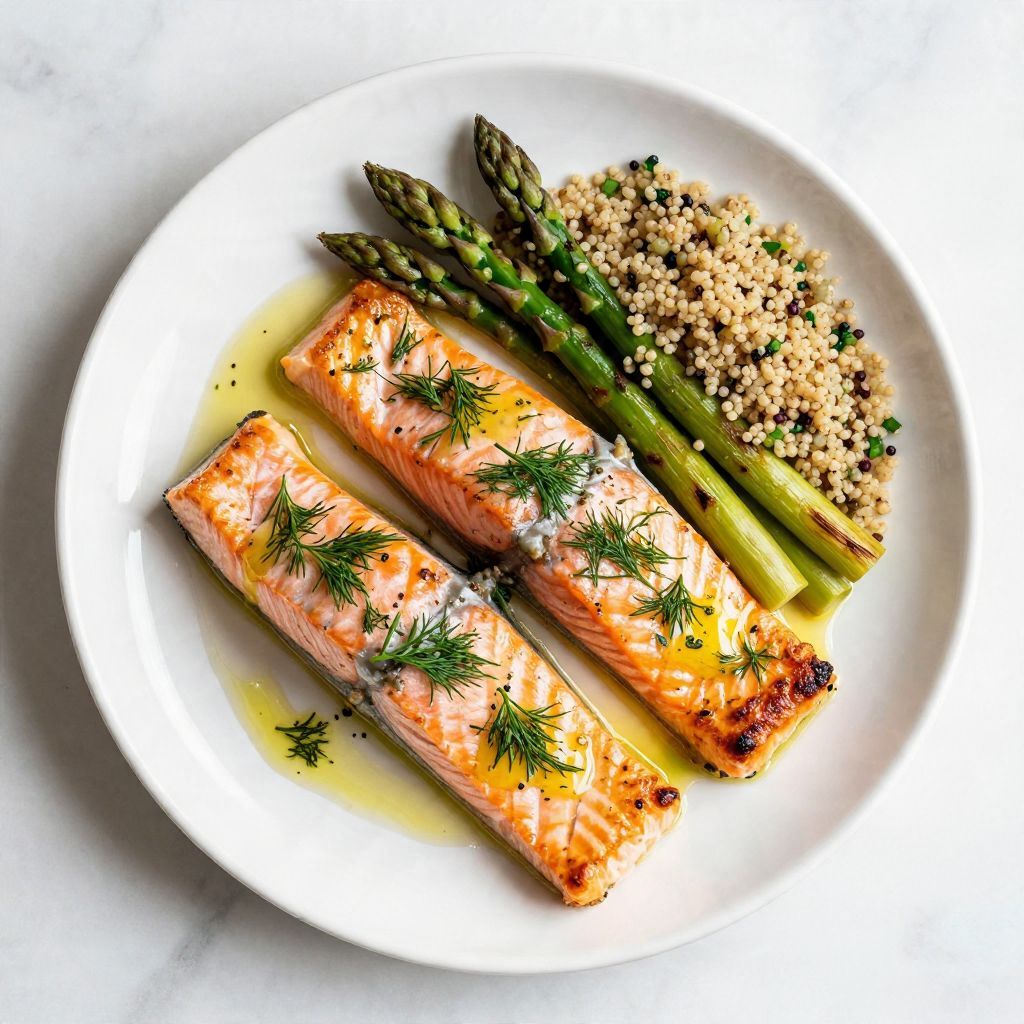
Dill Salmon
Ingredients
Equipment
Method
- Preheat your oven to 400°F (200°C).
- Pat the salmon fillets dry with a paper towel.
- Drizzle olive oil over the fillets and season with salt, pepper, garlic powder, and fresh dill.
- Squeeze lemon juice over the seasoned fillets.
- Heat your oven-proof skillet over medium-high heat.
- Place the salmon fillets skin-side down in the skillet and cook for about 4-5 minutes.
- Carefully transfer the skillet to the preheated oven and bake for an additional 8-10 minutes.
- Check for doneness when the salmon flakes easily with a fork and the internal temperature reaches 145°F (63°C).