
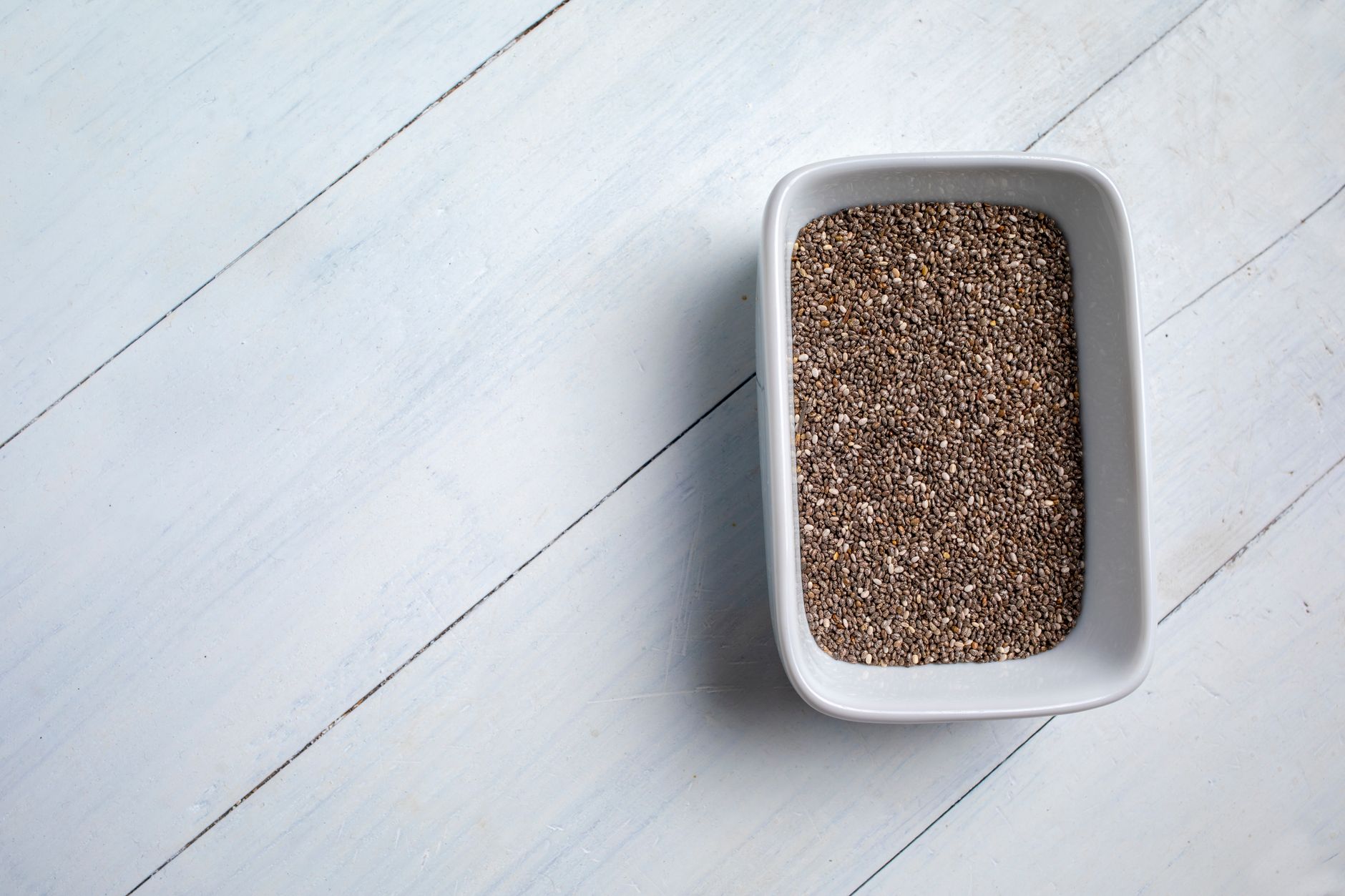
Chia seeds have become increasingly popular as a superfood, gaining attention for their impressive nutritional profile and potential health benefits. These tiny seeds, once a staple in ancient diets, are now often included in smoothies, baking, and health snacks. But how are chia seeds good for you? In this article, we’ll explore their nutritional benefits, the optimal ways to incorporate them into your diet, and practical portion suggestions.
Rich in omega-3 fatty acids, fiber, protein, and various minerals, chia seeds offer a multitude of health benefits. Understanding how to use these seeds effectively can elevate your meals and snacks while supporting your wellness goals. Let’s dive into their nutritional composition and how best to incorporate them into your diet.
How Are Chia Seeds Good for You?
Chia seeds are beneficial due to their rich nutrient content, which includes fiber, protein, omega-3 fatty acids, antioxidants, and several essential minerals. They aid digestion, help manage weight, promote heart health, and even provide energy. Incorporating chia seeds into your diet is simple, making it easy to enjoy their numerous benefits.
Nutritional Composition of Chia Seeds
One ounce (about 28 grams) of chia seeds contains:
- Calories: 138
- Protein: 4.7 grams
- Fat: 8.6 grams (of which 5 grams are omega-3 fatty acids)
- Carbohydrates: 12 grams
- Fiber: 10.6 grams
- Calcium: 18% of the daily value (DV)
- Iron: 12% of the DV
- Magnesium: 30% of the DV
- Phosphorus: 27% of the DV
- Potassium: 1% of the DV
- Antioxidants: Numerous varieties, including quercetin and chlorogenic acid
Health Benefits of Chia Seeds
1. High in Omega-3 Fatty Acids
Chia seeds are one of the richest plant sources of omega-3 fatty acids, particularly alpha-linolenic acid (ALA). Omega-3s are known for their anti-inflammatory properties and beneficial effects on heart health. They may lower the risk of cardiovascular diseases by reducing blood pressure, cholesterol levels, and overall inflammation.
2. Excellent Source of Dietary Fiber
Chia seeds are incredibly high in fiber, which aids digestion and promotes gut health. The soluble fiber in chia seeds forms a gel when mixed with liquid, helping to slow digestion and stabilize blood sugar levels. This can result in decreased appetite and a sense of fullness that may assist in weight management.
3. Plant-Based Protein Source
With nearly 5 grams of protein per ounce, chia seeds are an excellent addition to vegetarian and vegan diets. They provide essential amino acids that help with muscle repair and growth, making them a suitable protein source when included in smoothies, salads, or baked goods.
4. Rich in Antioxidants
Chia seeds contain powerful antioxidants that help fight oxidative stress and reduce inflammation in the body. These antioxidants can also protect the seeds themselves from spoilage, enhancing their shelf life when stored properly.
5. Bone Health
The high levels of calcium, phosphorus, and magnesium in chia seeds contribute to building and maintaining bone health. Regular consumption can help ward off osteoporosis and promote strong bones, especially in individuals who do not consume dairy.
6. Heart Health
The combination of fiber, omega-3 fatty acids, and antioxidants helps reduce cholesterol and lower blood pressure, contributing to overall heart health. Consuming chia seeds may positively influence cardiovascular functions and support a healthy weight.
7. Blood Sugar Regulation
Due to their high fiber content and ability to form a gel-like consistency, chia seeds can help regulate blood sugar levels. They may reduce spikes in blood sugar after meals, making them a smart addition to any meal for those managing diabetes or blood sugar concerns.
How to Incorporate Chia Seeds into Your Diet
With their neutral flavor, chia seeds can easily be added to a variety of dishes. Below are some practical ways to use chia seeds:
1. Chia Pudding
One of the most popular ways to enjoy chia seeds is by making chia pudding. Simply mix chia seeds with your choice of milk (dairy or plant-based) and sweetener, then let it sit for a few hours or overnight until it thickens. Top with fruits, nuts, or granola for added flavor and texture.
2. Smoothies
Add a tablespoon of chia seeds to your smoothie for a nutritional boost. Blend with fruits, vegetables, and liquids of your choice. The seeds will provide fiber and protein, turning your smoothie into a more balanced meal.
3. Baking
Incorporate chia seeds into your baking recipes by adding them to muffins, bread, or pancakes. They can be added whole or ground for a finer texture. Replace eggs in vegan baking by mixing 1 tablespoon of ground chia seeds with 2.5 tablespoons of water to create a chia egg.
4. Toppings
Sprinkle chia seeds on top of yogurt, oatmeal, or salads for added crunch and nutritional value. They not only enhance the texture but also boost the overall health benefits of your meal.
5. Dressings and Sauces
Mix chia seeds into salad dressings or sauces to thicken their consistency. This method adds nutrition without significantly altering the flavor.
Recommended Portions for Chia Seeds
While chia seeds are nutritious, moderation is crucial. The general recommendation is:
- 1 to 2 tablespoons (15 to 30 grams) per day is a healthy serving size.
- Increase intake gradually, particularly when adding them to your diet, to avoid digestive discomfort.
Common Mistakes When Using Chia Seeds
Here are common pitfalls to avoid when incorporating chia seeds into your diet:
1. Not Soaking Chia Seeds
Chia seeds can absorb up to 12 times their weight in liquid. Consuming them dry can lead to digestive issues, while soaking them can make them easier to digest and enjoy. Always soak for at least 30 minutes to several hours before consumption.
2. Ignoring Shelf Life
While chia seeds have a long shelf life due to their antioxidant content, they can still go rancid. Store them in a cool, dark place in an airtight container to maintain their freshness. If they develop an off smell or taste, it’s best to discard them.
Substitutions and Variations
If you’re looking for alternatives or variations to chia seeds, consider the following:
- Flaxseeds: Similar in nutrient profile, they can be used similarly but may need to be ground for better absorption.
- Hemp seeds: These offer a nutty flavor and provide protein. Use them in smoothies, salads, or as toppings.
- Psyllium husk: This can be a fiber-rich substitute in smoothies or as a thickening agent but may alter texture.
Storage Tips
To maximize the longevity and nutritional benefits of chia seeds, follow these storage guidelines:
- Keep chia seeds in an airtight container in a cool, dark place.
- Consider refrigeration for prolonged freshness, especially in warm climates.
- Check for signs of spoilage before use, such as an off smell or taste.
Summary of Benefits and Usage
Chia seeds are a powerhouse of nutrients, offering numerous health benefits, including improved heart health, digestive support, and weight management. Incorporating them into your daily meals is easy and versatile. Remember to soak them for better digestion and stick to recommended portions to reap the most benefits.
For more detailed information on chia seeds, you can explore the benefits of chia seeds further at What Are the Benefits of Chia Seeds? and learn how to prepare them at How Long Should Chia Seeds Soak?.