
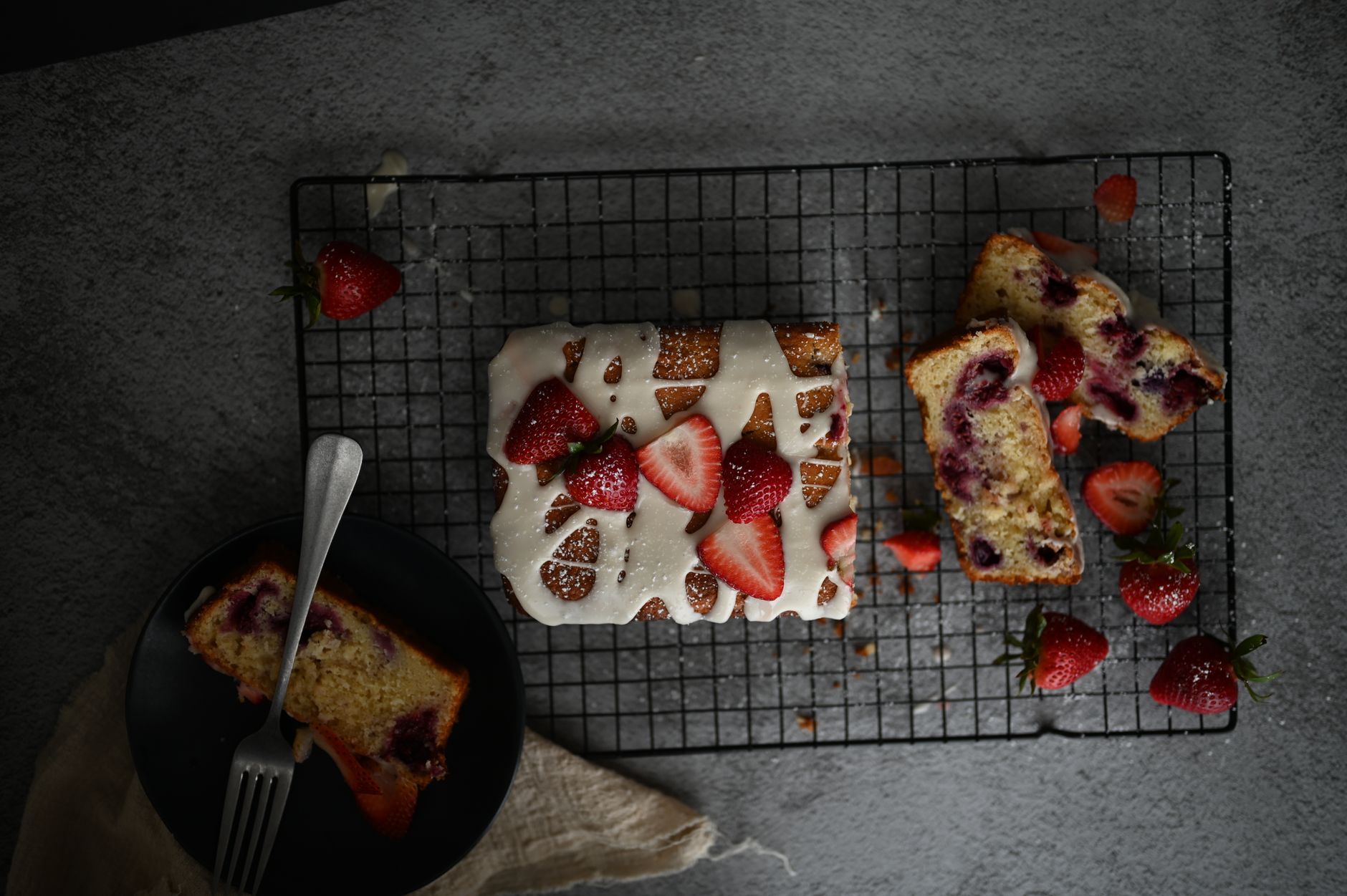
Fruit cake is a classic dessert that has been enjoyed for centuries. It is often associated with holiday celebrations and special occasions, thanks to its rich flavor and sturdy texture. But what is really in a fruit cake? Understanding its ingredients, flavors, and kitchen uses can enhance your baking experience and ensure your fruit cake is a delightful addition to any table.
This article explores the key components of fruit cake, discusses its taste and texture, and offers tips for making the most of this beloved dessert in your kitchen.
What Is in a Fruit Cake?
A fruit cake typically contains a mix of dried and candied fruits, nuts, spices, and sometimes alcohol. The combination of these ingredients creates a dense, moist cake with a rich flavor that develops over time. Many recipes vary regionally or by personal preference, leading to endless variations on the classic fruit cake.
Key Ingredients in a Fruit Cake
Let’s break down the primary ingredients usually found in a fruit cake, each of which contributes to its unique flavor and texture.
Dried and Candied Fruits
- Raisins: These are a staple in any fruit cake, providing sweetness and chewy texture.
- Currants: Similar to raisins but smaller, currants add tartness and depth of flavor.
- Sultanas: These are golden raisins with a brighter flavor and a plumper texture.
- Candied Citrus Peel: Orange and lemon peels add a bright, zesty flavor that contrasts beautifully with the sweetness of the cake.
- Cherries: Typically used in their candied form, cherries provide pops of color and sweetness.
Nuts
Nuts add a delightful crunch and richness to fruit cake. Common options include:
- Walnuts: Earthy and slightly bitter, walnuts balance the sweetness of the fruits.
- Pecans: Their buttery flavor complements the cake well.
- Almonds: Often used blanched or slivered for a delicate crunch.
Spices
Spices play a crucial role in flavoring fruit cake. Traditional spices include:
- Cinnamon: Adds warmth and sweetness.
- Nutmeg: Contributes a nutty, slightly sweet flavor.
- Allspice: Provides hints of flavor like clove and cinnamon.
Alcohol
Many fruit cake recipes call for alcohol, which can enhance the flavor and improve shelf-life. Common choices are:
- Rum: Adds warmth and a tropical note.
- Brandy: Offers a rich, smooth flavor.
- Sherry: Imparts a slightly sweet, nutty undertone.
Other Ingredients
Standard fruit cake recipes usually include these common elements:
- Flour: Typically all-purpose flour is used to provide structure and stability.
- Sugar: Granulated sugar adds sweetness, while brown sugar can provide depth and moisture.
- Eggs: These act as a binder and help with leavening, leading to a more cohesive cake.
- Butter: Adds richness and a tender crumb.
Taste and Texture of Fruit Cake
The taste of fruit cake is complex and varies depending on the ingredients used. The dominant flavors typically include the sweetness of the dried and candied fruits, the richness of the nuts, and the warm spices that enhance the overall profile. The texture is dense, moist, and somewhat heavy, providing a satisfying bite.
As fruit cake ages, its flavors develop further. The alcohol in many recipes helps preserve the cake, allowing it to be enjoyed months after baking. This quality makes fruit cakes an excellent choice for holiday gifting and long-term storage.
Kitchen Uses for Fruit Cake
Celebratory Occasions
Fruit cake is often associated with special occasions such as weddings and holidays. It can be decorated or served plain, making it a versatile dessert that fits a range of events. In some cultures, fruit cake is often soaked in alcohol and “fed” over time to enhance its flavor before serving.
Gift Giving
Due to its long shelf life and rich flavors, fruit cake makes an excellent gift during the holiday season. You can package it beautifully in a tin or a decorative box for a thoughtful present.
Culinary Uses
Besides being enjoyed by itself, fruit cake can be paired with various accompaniments, such as:
- Cheese: A slice of rich fruit cake pairs well with cheese varieties like goat cheese or sharp cheddar.
- Ice Cream: A dollop of vanilla ice cream can soften the dense texture of fruit cake.
- Tea or Coffee: A warm beverage can complement the flavors and enhance the overall experience.
Storage and Aging
Fruit cake can be stored and aged to improve its flavors. To store a fruit cake:
- Wrap it tightly in plastic wrap to prevent drying out.
- Place it in an airtight container or zip-top bag.
- Store it in a cool, dry place or refrigerator.
For best results, consider “feeding” your fruit cake with a splash of alcohol every few weeks to keep it moist and flavorful.
Common Mistakes When Making Fruit Cake
Making fruit cake can be straightforward, but some common pitfalls may affect the final product. Keep these tips in mind:
Overmixing the Batter
Too much mixing can lead to dense, tough cake rather than the desired moist texture. Mix just until combined.
Improper Baking Time
Fruit cakes require long baking times at low temperatures. Check for doneness with a toothpick inserted into the center; it should come out clean or with a few moist crumbs attached.
Neglecting to Prep Ingredients
Chopping nuts and fruits into uniform sizes ensures even distribution in the batter. Always prepare these before starting the mixing process.
Making Fruit Cake: Essential Equipment
To successfully bake a fruit cake, ensure that you have the following kitchen equipment:
- Mixing bowls of various sizes
- Measuring cups and spoons
- Electric mixer or whisk
- Spatula for folding
- Loaf or round cake pans, typically 8-inch or 9-inch
- Oven thermometer to verify temperature accuracy
- Parchment paper for lining cake pans
Fruit Cake Recipe
Below is a classic fruit cake recipe to get you started on your baking journey.
Ingredients
- 1 cup raisins
- 1 cup currants
- 1 cup chopped candied fruit (like cherries and citrus peels)
- 1 cup chopped nuts (such as walnuts or pecans)
- 1/2 cup unsalted butter, softened
- 1 cup granulated sugar
- 4 large eggs
- 2 cups all-purpose flour
- 1 teaspoon baking powder
- 1 tablespoon ground cinnamon
- 1/2 teaspoon ground nutmeg
- 1/2 teaspoon allspice
- 1/2 cup rum or brandy
- Pinch of salt
Preparation
- Preheat the oven to 300°F (150°C). Grease and line your cake pans with parchment paper.
- In a bowl, combine the raisins, currants, chopped candied fruit, and nuts. Drizzle with a little rum or brandy and stir to coat. This step helps to keep the dried fruits moist.
- In another bowl, cream the softened butter and sugar together until fluffy. Add the eggs one at a time, mixing well after each addition.
- In a separate bowl, sift together the flour, baking powder, spices, and salt. Gradually add the dry ingredients to the butter mixture, mixing just until combined.
- Fold in the fruit and nut mixture, ensuring it is evenly distributed throughout the batter.
- Pour the batter into the prepared pans, smoothing the tops with a spatula.
- Bake for 2 to 2.5 hours, or until a toothpick inserted into the middle comes out clean. If the tops start to brown too quickly, cover them loosely with aluminum foil.
- Once baked, allow the cakes to cool completely in the pans before transferring them to a wire rack.
- Once cooled, you may feed the cakes with additional alcohol if desired and wrap them for storage.
Variations and Substitutions
Fruit cake recipes can easily be adapted to suit personal tastes or dietary restrictions. Consider the following alternatives:
Fruits
- Use cranberries or apricots in place of raisins or currants for a different flavor profile.
- Include tropical fruits like pineapple or mango for a unique twist.
Nuts
- Swap out walnuts for macadamia nuts or pistachios for varied textures.
- Omit nuts entirely or use nut butters if allergies are a concern.
Flour Alternatives
- For gluten-free options, you can use a 1:1 gluten-free flour blend.
- To make a lighter cake, consider incorporating almond flour for added moisture and flavor.
Be mindful that substitutions may change baking times or textures. Keep an eye on doneness if you alter ingredients.
Final Thoughts
Fruit cake remains a beloved dessert for its rich flavor and festive spirit. Understanding the ingredients, proper techniques, and creative possibilities behind making a fruit cake can lead you to a successful baking experience. Experiment with new flavors, storage options, and culinary uses to keep this traditional treat exciting.
Ready to take your fruit cake to the next level? Consider exploring how to make candied fruits yourself or dive into the delicious world of fruit cocktail cakes.
For more information, check out our candied fruit recipe and explore our fruit cocktail cake recipe for additional baking inspiration!