
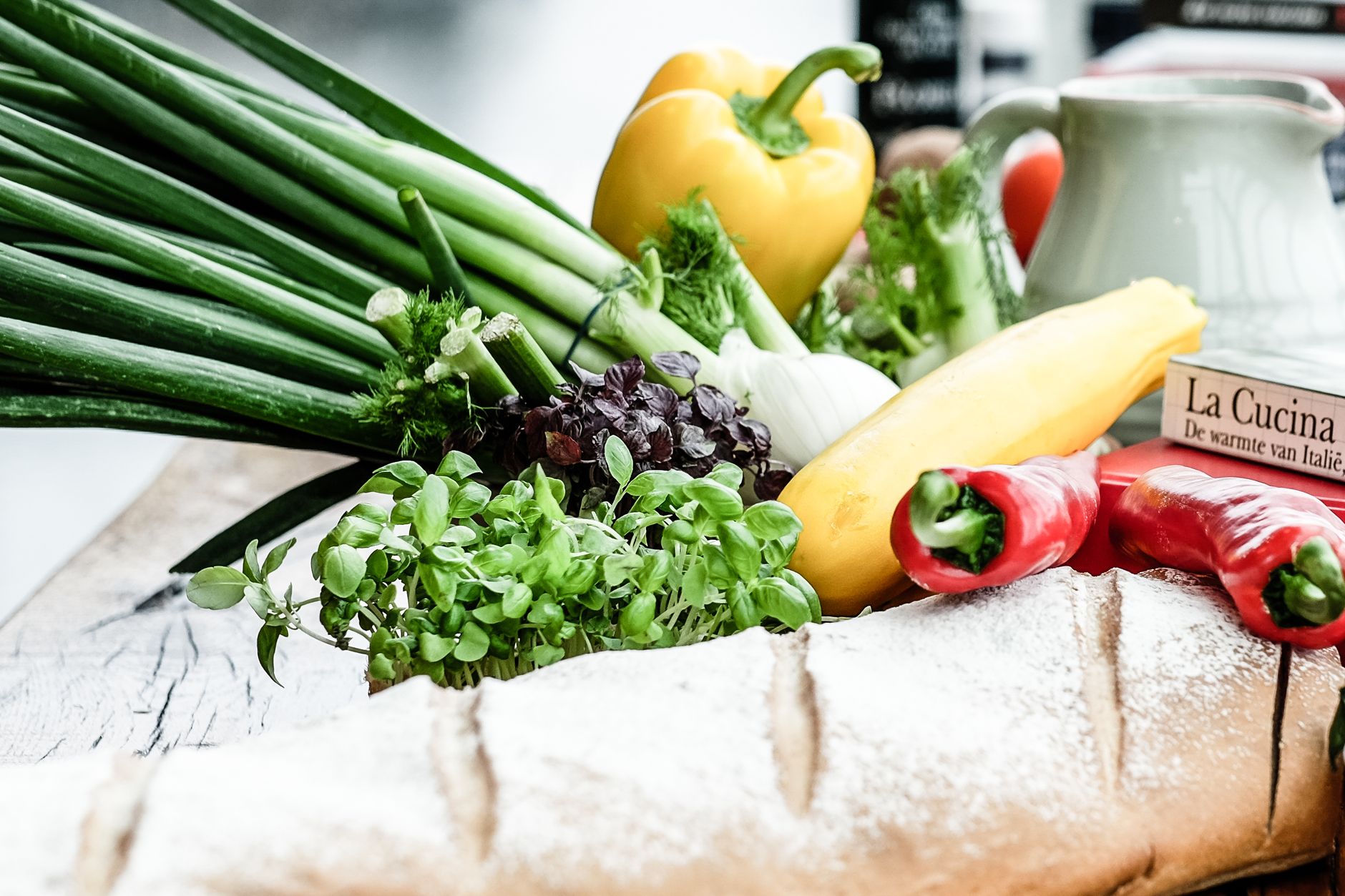
French food is renowned for its rich flavors, elegant presentation, and diverse techniques. Understanding its origins involves exploring regional specialties, historical influences, and cultural traditions that shape French cuisine. This article delves into the roots of French food, offering insights into its development from rustic beginnings to haute cuisine.
From the use of locally-sourced ingredients to classic cooking methods, French food draws on a broad spectrum of influences. This exploration not only illuminates what French food stems from but also how it continues to evolve, leaving a significant mark on global gastronomy.
What Does French Food Stem From?
French food originates from a blend of local ingredients, historical events, and cultural exchanges. It developed through the influence of various regions and social classes, each contributing unique flavors and techniques. Understanding these origins provides a deeper appreciation for the complexity and nuances of French cuisine.
The Historical Context of French Cuisine
French cuisine, as we know it today, has roots that stretch back centuries. The evolution of French food is closely linked with historical milestones, such as the Middle Ages, the Renaissance, and the Enlightenment. Each period influenced cooking techniques, food availability, and dining customs.
The Middle Ages
During the Middle Ages, French cooking was primarily rustic and hearty, focusing on preservation techniques due to limited refrigeration. Meats were salted or dried, and dishes often featured grains such as barley and rye. Gardens provided fresh herbs, and the use of spices was growing, largely due to trade routes connecting Europe to Asia.
The Renaissance and Culinary Advancements
The Renaissance brought significant changes to French cuisine. The introduction of New World ingredients, such as tomatoes and potatoes, began to influence French dishes. This era also saw the emergence of elaborate banquets among the nobility, which contributed to the development of sophisticated cooking techniques.
The 17th and 18th Centuries
By the 17th and 18th centuries, French cuisine continued to evolve significantly. The establishment of restaurants in Paris and the publication of cookbooks helped to spread culinary knowledge. Influential chefs, such as François Pierre La Varenne, emphasized refined techniques and the importance of sauces, utensils, and presentation.
Regional Influences in French Cooking
France is divided into numerous regions, each boasting its unique culinary traditions and ingredients. These regional influences play a vital role in defining French cuisine as a whole.
The North: Normandy and Brittany
In Normandy, seafood and dairy are prevalent due to its coastal location. Dishes often feature cream, apples, and cider. Meanwhile, Brittany is known for its crêpes and galettes, made from buckwheat flour. Fish and shellfish are also significant to this region’s culinary identity.
The Northeast: Alsace-Lorraine
Alsace-Lorraine offers a fusion of French and German cuisine, showcasing dishes like choucroute garnie (sauerkraut with sausages) and tarte flambée (a thin crust pizza-like dish). The use of sauerkraut and hearty meats reflects the region’s agricultural practices and cultural heritage.
The Southeast: Provence and the Riviera
The Mediterranean influences of Provence yield fresh vegetables, herbs, olive oil, and seafood. Ratatouille and bouillabaisse are iconic dishes from this region that highlight the vibrant flavors of local ingredients. The French Riviera emphasizes lighter meals, often incorporating fruits, vegetables, and herbs de Provence.
The Southwest: Gascony and Aquitaine
Gascony and Aquitaine are known for their rich, hearty foods, particularly duck and goose products, including confit and foie gras. The famous development of the cassoulet (a slow-cooked bean stew) represents the home-style cooking traditions prevalent in these areas.
Classic Cooking Techniques in French Cuisine
French culinary techniques are foundational to many styles of cooking around the world. Mastery of these methods is essential for any aspiring chef and includes preparation, cooking, and presentation.
Sautéing and Searing
Sautéing involves cooking food quickly in a small amount of fat, maximizing flavor and texture. Searing, on the other hand, creates a caramelized crust on proteins, enhancing their taste. Both techniques are fundamental in achieving various flavor profiles in French dishes.
Poaching and Braising
Poaching gently cooks food in liquid at low temperatures, ideal for delicate proteins like fish and eggs. Braising combines both dry and moist cooking methods, allowing for tenderizing tougher cuts of meat while infusing them with flavors from the cooking liquid.
Baking and Pastry Techniques
French baking techniques include creating varieties of bread, pastries, and desserts. Mastery of the pâte à choux (choux pastry) is vital for creating éclairs and cream puffs. Additionally, understanding how to craft flaky pie crusts and rich pastries is essential for many classic French desserts.
Key Ingredients in French Cuisine
The ingredients used in French cooking reflect the geography, climate, and culture of the various regions. Familiarity with these ingredients can help anyone recreate authentic French flavors in their cooking.
Herbs and Spices
Herbs de Provence—a blend of thyme, rosemary, oregano, and basil—captures the essence of French cooking, particularly from the south. Fresh herbs like tarragon and chervil are also key elements in many classic sauces and dishes.
Dairy Products
France is famous for its cheese and cream. Varieties such as Camembert, Roquefort, and Brie can be found as integral components in countless French recipes. Cream is often used in sauces and desserts, enhancing both flavor and texture.
Meats and Seafood
French cuisine showcases a diverse array of meats including beef, duck, chicken, and rabbit. Each region has specialties based on local farming practices. Seafood plays a crucial role in coastal regions, emphasizing fresh catches in dishes like bouillabaisse.
Vegetables and Grains
Vegetables such as leeks, carrots, and onions are staples in French kitchens. Grains, particularly rice and various types of bread, serve as foundational elements in many meals. Understanding the local availability of these ingredients helps appreciate their role in French cuisine.
Modern Influences on French Cuisine
While traditional French cuisine is deeply respected, it has also adapted to modern tastes and trends. Culinary innovation, health consciousness, and sustainability are reshaping how French food is prepared and consumed.
Contemporary Techniques and Ingredients
Modern French chefs are increasingly incorporating global flavors and ingredients into their cuisines, marrying tradition with contemporary flair. Techniques like molecular gastronomy have emerged, pushing the boundaries of texture and presentation.
Sustainability and Local Sourcing
There is a growing emphasis on farm-to-table practices in the French culinary scene. Chefs prioritize seasonal ingredients and sustainable sourcing to create dishes that reflect the present while respecting culinary traditions.
Popular French Dishes and Their Origins
Diving into the popular dishes that define French cuisine provides insight into its rich culture. Each dish narrates a story, bringing together flavors, history, and regional attributes.
Coq au Vin
This classic dish of chicken braised with wine, mushrooms, lardons, and onions hails from Burgundy. It highlights the traditional practice of using local red wine to enhance the flavors of the protein.
Ratatouille
Originating from Provence, ratatouille brings together vegetables such as eggplant, zucchini, and bell peppers. This dish showcases the bounty of summer produce and the influence of Mediterranean cuisine.
Boeuf Bourguignon
A rich beef stew simmered in red wine and aromatic vegetables, boeuf bourguignon is another standout from Burgundy. This dish epitomizes the French method of slow cooking, melding flavors and textures beautifully.
Tarte Tatin
This upside-down caramelized apple tart speaks to the simplicity and elegance of French desserts. The origins of tarte Tatin are linked to a happy accident, resulting in a beloved classic that remains a staple in French pastry.
Understanding French Dining Culture
The way food is prepared and consumed in France is as integral to the experience as the dishes themselves. French dining culture emphasizes the importance of meals, fostering a communal atmosphere that encourages connection and enjoyment.
The Art of Dining
Eating in France is a leisurely affair, often consisting of multiple courses. Even simple meals are well-planned, highlighting flavors and seasonal ingredients. Wine is served generously, and the emphasis is placed on enjoying the entire experience rather than rushing through a meal.
Meal Structure
Traditional French meals typically consist of an appetizer, entrée (main course), and dessert. A cheese course may also be included, showcasing the region’s dairy products and allowing diners to savor them through a slow-paced meal.
Conclusion
The evolution of French cuisine is a testament to its rich history, regional diversity, and commitment to culinary excellence. Understanding what French food stems from enhances appreciation for its depth and intricacy, as it merges tradition with modern influences. Learning about its components encourages everyone to experiment with these techniques and flavors in their kitchens.
For further exploration into French cooking, check out our guides on making classic meringue with our French meringue recipe or indulge in a delicious slice of sourdough French toast from our sourdough French toast recipe. Discover more about the beautiful traditions surrounding French cuisine!