
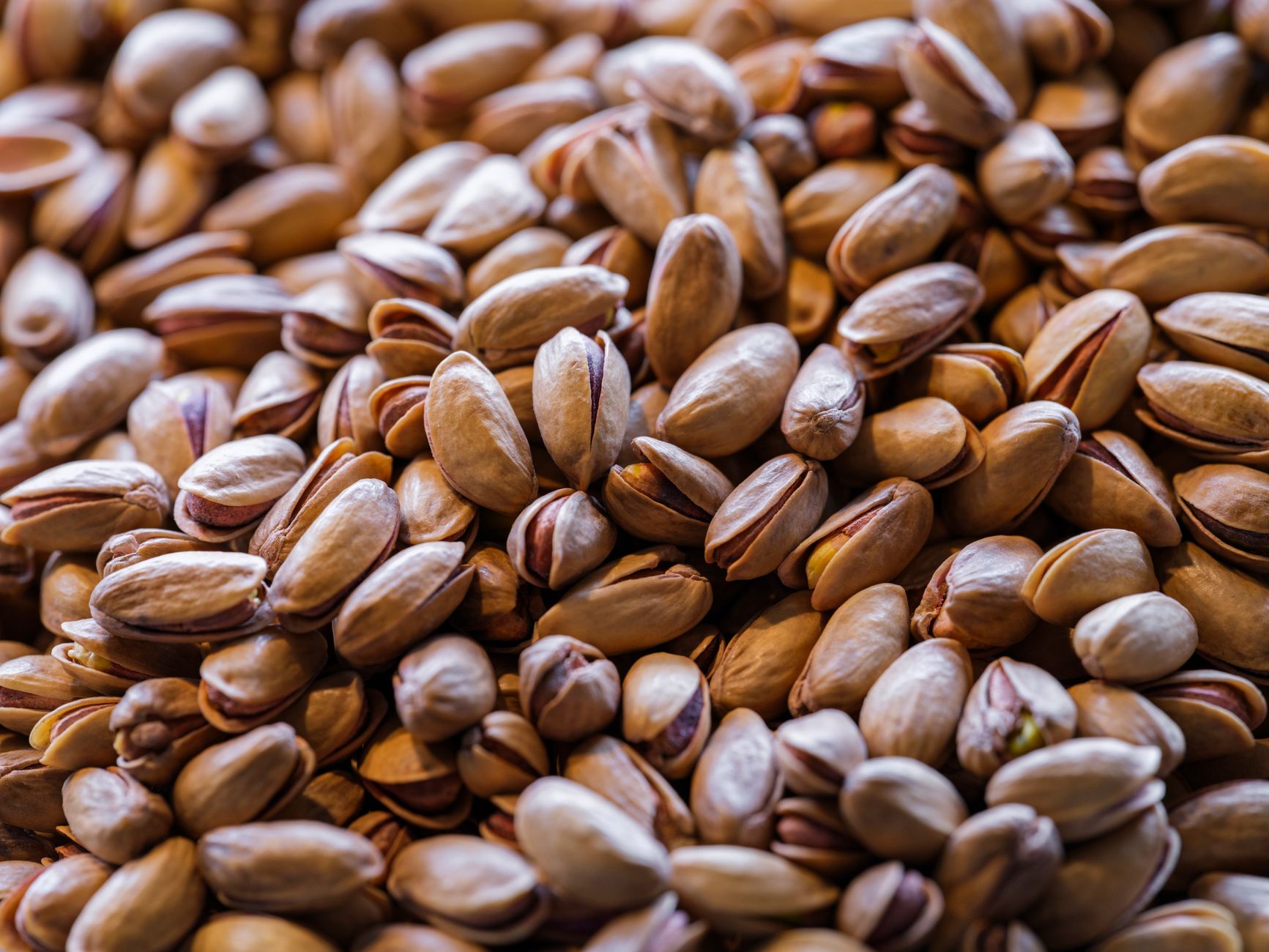
Pistachios are not just a delicious snack; they are also packed with nutritional benefits that make them a fantastic addition to a healthy diet. Whether you’re looking to boost your snack game or improve your overall nutrition, understanding the benefits of eating pistachios can inspire you to include them more frequently in your meals.
This article explores the many health benefits of pistachios, their nutritional profile, various ways to incorporate them into your diet, and some practical cooking ideas to make the most of this remarkable nut.
What Are the Benefits of Eating Pistachios?
Eating pistachios offers numerous health benefits, including improved heart health, weight management support, and enhanced gut health. They are a rich source of nutrients such as protein, healthy fats, fiber, vitamins, and minerals, making them an excellent addition to various meals and snacks.
Nutritional Profile of Pistachios
Understanding the nutritional content of pistachios helps to highlight why they are so beneficial.
- Calories: About 159 calories per ounce (approximately 49 nuts)
- Protein: 6 grams
- Fat: 13 grams (mostly heart-healthy monounsaturated fats)
- Fiber: 3 grams
- Carbohydrates: 8 grams
- Vitamin B6: 30% of the Recommended Daily Value (DV)
- Thiamine (B1): 22% of the DV
- Copper: 41% of the DV
- Manganese: 15% of the DV
- Phosphorus: 28% of the DV
Health Benefits of Eating Pistachios
1. Heart Health
Pistachios are an excellent choice for heart health due to their high levels of healthy fats, particularly monounsaturated fats. These fats can help lower bad cholesterol levels and reduce the risk of heart disease. Additionally, the potassium in pistachios helps to regulate blood pressure.
2. Weight Management
Despite being calorie-dense, pistachios can aid in weight management. Their combination of protein, fiber, and healthy fats can promote satiety, helping you feel fuller for longer and possibly reducing overall calorie intake. Eating pistachios in moderation as a snack can help curb cravings without overindulging.
3. Antioxidant Properties
Pistachios are rich in antioxidants, including lutein and zeaxanthin, which can help protect your cells from oxidative stress. Antioxidants are crucial for reducing inflammation and may contribute to lower risks of chronic diseases.
4. Gut Health
The fiber content in pistachios supports a healthy digestive system. Fiber aids in regular bowel movements and promotes the growth of beneficial gut bacteria, enhancing overall gut health.
5. Blood Sugar Control
Including pistachios in your diet may help control blood sugar levels. Their low glycemic index indicates that they do not cause significant spikes in blood sugar and can be a good choice for those with diabetes or insulin resistance.
6. Nutrient-Rich Snack
As a nutrient-dense snack, pistachios provide essential vitamins and minerals. They are an excellent source of Vitamin B6, which is vital for energy production and nutrient metabolism. Other nutrients, such as copper and phosphorus, support bone health and energy production as well.
Incorporating Pistachios into Your Diet
Now that you know the health benefits of pistachios, you might wonder how to add them to your meals and snacks. Here are some ideas.
1. Snack Time
Pistachios make a great snack on their own. Portion out a handful, and enjoy them raw or roasted. For added flavor, consider lightly salting them or trying spiced versions that can delight your taste buds.
2. Breakfast Boost
- Add chopped pistachios to your morning oatmeal or yogurt for a nutritious crunch.
- Incorporate them into smoothies for extra protein and healthy fats.
- Mix pistachios into pancake or waffle batter for a nutty twist.
3. Salads and Grain Bowls
Chopped pistachios can serve as a delicious topping for salads or grain bowls. They add texture and flavor, enhancing both simple and complex salads alike. Combine them with leafy greens, fresh vegetables, and a light vinaigrette to create a nutrient-rich meal.
4. Baking and Cooking
Pistachios can be incorporated into various recipes, including baked goods like cookies, muffins, and bread. You can blend them into nut butters or use them to crust fish or chicken for an appealing flavor. Consider making pistachio pesto by blending them with fresh basil, garlic, cheese, and olive oil for a unique sauce option.
5. Dessert Delights
Pistachios lend themselves well to desserts. Add them to ice creams or sorbets, incorporate them into chocolates, or use them to enhance pastries. They can also be blended into creamy puddings or used as a garnish for cakes and tarts.
Culinary Tips for Working with Pistachios
To get the most out of your pistachios, consider the following cooking and preparation tips.
Choosing the Right Pistachios
When purchasing pistachios, select unsalted or lightly salted varieties to maintain health benefits. Choose shelled or in-shell options depending on your preference and intended use.
Storing Pistachios
Store pistachios in an airtight container in a cool, dry place to maintain freshness. For extended shelf life, consider refrigerating or freezing them. Proper storage can prevent them from going rancid.
Cooked vs. Raw Pistachios
While raw pistachios have a fresher, earthier flavor, roasted pistachios carry a deeper, more intense taste due to the Maillard reaction during cooking. The choice between raw and roasted should be based on your flavor preference and desired use.
Avoiding Common Mistakes
One common mistake is over-salting pistachios during preparation. Always taste and adjust salt amounts to avoid overpowering the natural flavor. Additionally, be mindful of portion sizes to fully enjoy their benefits without excessive calorie consumption.
Creative Recipes with Pistachios
If you’re looking for some exciting recipes to use pistachios, here are two ideas to inspire your culinary journey.
Pistachio Pesto
- In a food processor, combine 3/4 cup shelled pistachios, two cups fresh basil leaves, 1/2 cup grated Parmesan cheese, two cloves garlic, and a pinch of salt.
- With the processor running, slowly drizzle in 1/2 cup olive oil until combined and smooth.
- Toss the pesto with your choice of pasta, or use it as a spread on sandwiches or as a dip for veggies.
- Store any leftover pesto in an airtight container in the refrigerator for up to one week.
Pistachio Latte
- Begin by brewing a shot of espresso or a strong brewed coffee.
- Add 1/2 cup steamed milk and a tablespoon of pistachio syrup.
- Top with crushed pistachios for added flavor and texture.
- Stir gently and enjoy a delightful pistachio latte at home.
Conclusion
Pistachios are not only versatile and delicious, but they also offer a variety of health benefits that can enhance your overall well-being. Whether you enjoy them as a snack or incorporate them into meals and desserts, there’s no denying the positive impact of this nut.
Take a moment to explore these wonderful recipes for a pistachio latte or try making pistachio pesto to enjoy the delicious and nutritious qualities of pistachios in your kitchen.