
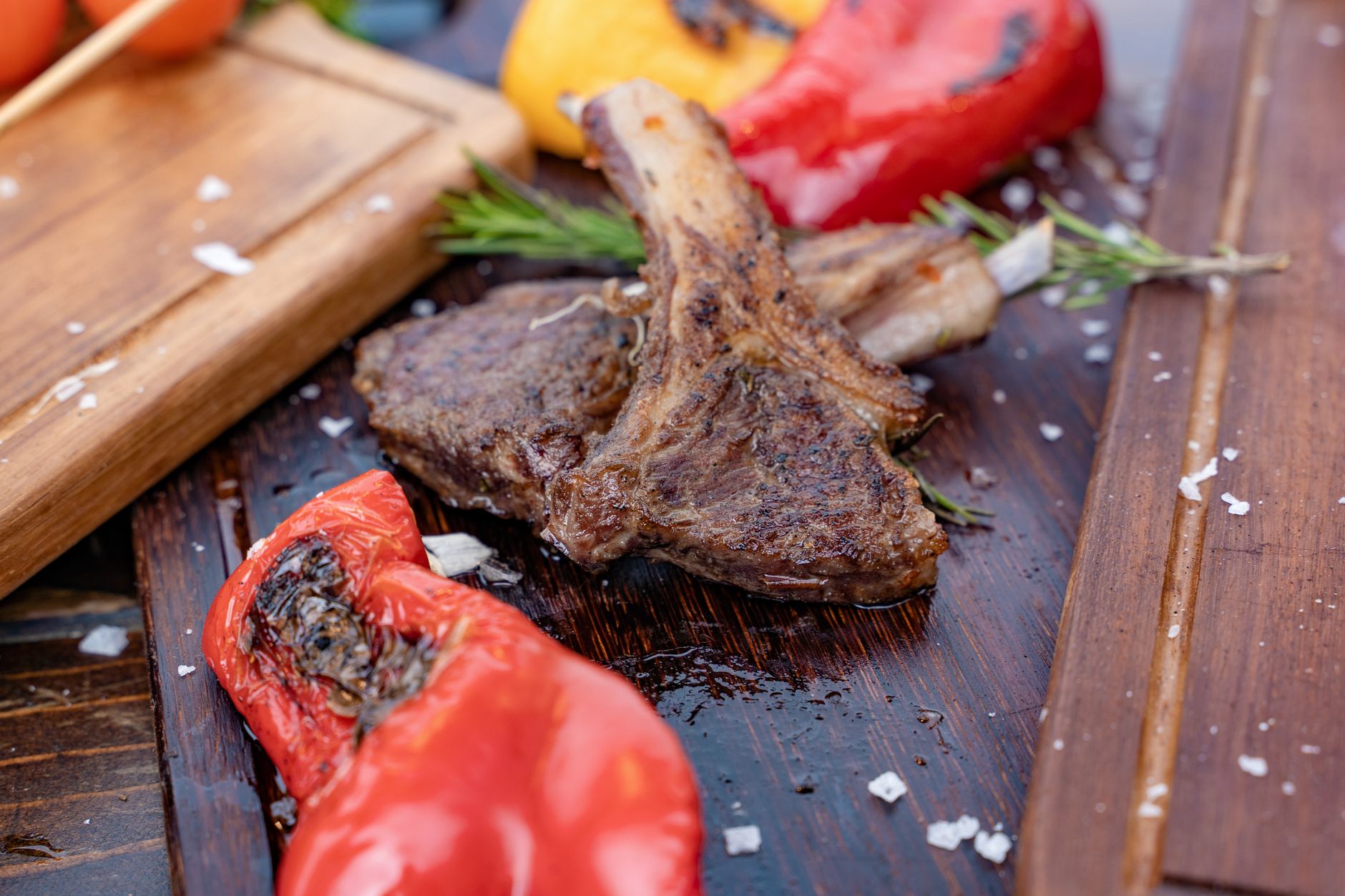
Lamb is a beloved choice in many cuisines around the world, celebrated for its rich flavor and tender texture. Understanding how lamb tastes can elevate your cooking and dining experience, allowing you to choose the best cuts and preparation methods for your palate.
This article explores the flavor, texture, and the various ways to enjoy lamb, including serving ideas that highlight its exquisite qualities, making it easier for you to incorporate lamb into your meals.
How Does Lamb Taste?
Lamb has a distinct flavor profile, often described as rich, gamey, and slightly sweet. Younger lamb, particularly the meat from lambs less than a year old, tends to be milder and more tender, while older lamb can have a more pronounced flavor. The texture is generally tender, juicy, and can vary depending on the cut and cooking method used.
The Flavor of Lamb
The flavor of lamb can be broadly categorized based on age, breed, and diet. The grass-fed lamb typically has a stronger, richer flavor compared to grain-fed lamb, which may taste milder and sweeter. Below are some key aspects that contribute to the flavor profile of lamb:
- Age: Younger lamb typically tastes milder and is often referred to as spring lamb. Older lamb, known as mutton, has a stronger flavor that some may find gamey.
- Diet: The diet of the animal plays a significant role in its flavor. Grass-fed lambs tend to have a more robust flavor compared to those that are grain-fed.
- Breed: Different breeds of sheep, such as Merino and Suffolk, can produce varying tastes in lamb meat, often ranging in intensity and sweetness.
The Texture of Lamb
The texture of lamb varies not only by the cut but also by how it is cooked. When prepared correctly, lamb has a succulent tenderness. Here’s a breakdown of textures you might experience:
- Tender Cuts: Cuts like lamb chops and tenderloin are particularly tender and remain juicy when cooked properly.
- Chewier Cuts: Cuts such as lamb shank or shoulder contain more connective tissue, which can render softer when braised or slow-cooked, but remain slightly chewier if grilled or roasted rapidly.
- Fat Content: Lamb has intramuscular fat, which can influence both its texture and flavor. Proper trimming and cooking methods ensure a balanced experience of taste and mouthfeel.
Common Cuts of Lamb
Different cuts of lamb showcase its versatility in flavor and texture. Understanding these cuts can help you select the right lamb for your recipe needs:
- Lamb Chops: Always a favorite, these are tender and best cooked quickly over high heat.
- Lamb Shank: Known for its rich flavor, this cut benefits from slow cooking and braising to become tender.
- Lamb Shoulder: Flavorful and slightly tougher, it responds well to slow roasting or stewing.
- Rack of Lamb: This elegant cut is often served as a centerpiece, offering tender meat with a robust flavor.
- Ground Lamb: Perfect for dishes like kebabs or meat sauces, it has a unique flavor and a slightly fatty texture.
Cooking Techniques to Enhance Lamb’s Flavor
The way you prepare lamb can dramatically influence its taste and texture. Here are some cooking techniques and methods that work well with lamb:
Grilling
Grilling lamb quickly over high heat caramelizes the meat, enhancing its natural flavors. Lamb chops and kebabs are particularly well-suited for this method. Aim for a medium-rare doneness to maintain tenderness and juiciness.
Roasting
Roasting larger cuts, such as lamb leg or rack of lamb, in an oven allows for even cooking while developing a beautiful crust. Use a meat thermometer to achieve the desired doneness—145°F for medium-rare.
Braising
This slow-cooking method is great for tougher cuts like lamb shank and shoulder. Cooking low and slow in liquid allows the meat to break down into tender, flavorful bites. Perfect for stews or hearty dishes.
Broiling
For quick cooking, broiling lamb in the oven can yield a similar effect to grilling—cooked from above with intense heat. This technique is ideal for chops or pieces of lamb that benefit from a crisp exterior and juicy interior.
Stir-frying
Use sliced lamb in a hot wok for a quick stir-fry. This method is perfect for ground lamb as well, providing a tender, flavorful dish ready in minutes.
Herbs and Spices That Complement Lamb
The bold flavor of lamb pairs beautifully with a variety of herbs and spices. Here are some classic choices to enhance your lamb dishes:
- Rosemary: Its earthy, pine-like flavor complements roasted lamb excellently.
- Thyme: Provides a subtle, warm flavor that works well in slow-cooked dishes.
- Mint: Fresh mint offers a refreshing contrast to the richness of lamb, commonly used in sauces or as an accompaniment.
- Garlic: Enhances the overall flavor, especially when paired with herbs for marinating.
- Cumin and Coriander: These spices provide warmth and depth, often found in Middle Eastern and Indian lamb dishes.
Popular Lamb Dishes Around the World
Lamb is featured prominently in various cuisines, each bringing its unique approach to flavor and preparation. Here are some iconic lamb dishes:
- Rack of Lamb: A centerpiece dish commonly served during festive occasions, seasoned with herbs and presented with elegance.
- Greek Lamb Gyros: Sliced marinated lamb wrapped in pita, garnished with tomatoes and tzatziki for a delicious street food experience.
- Indian Lamb Curry: Slow-cooked lamb infused with a mixture of spices, resulting in a rich, aromatic dish.
- Moroccan Lamb Tagine: A fragrant stew with spices like cinnamon and cumin, often paired with dried fruits and served with couscous.
- Shepherd’s Pie: A hearty British dish featuring ground lamb topped with creamy mashed potatoes.
Serving Ideas for Lamb
- Roasted vegetables: Seasonal vegetables like carrots, potatoes, and Brussels sprouts can make an excellent accompaniment.
- Grain salads: Quinoa or couscous salads can add texture and freshness to your lamb dish.
- Mint sauce: A classic pairing with lamb, mint sauce can provide a cool contrast to the meat’s richness.
- Yogurt sauces: Spiced or herbed yogurt can add a creamy and refreshing element to your lamb serving.
Common Mistakes to Avoid When Cooking Lamb
- Overcooking: Lamb can become tough and dry when overcooked, especially leaner cuts like chops and loin. Monitor with a meat thermometer.
- Unbalanced seasoning: Don’t overlook the importance of seasoning; lamb can handle bold flavors, so be generous with herbs and spices.
- Skipping rest time: After cooking, allowing lamb to rest ensures the juices redistribute, resulting in a more succulent bite.
Storage and Reheating Guidance for Lamb
If you have leftovers, proper storage and reheating are essential to maintaining lamb’s quality:
- Storage: Refrigerate lamb leftovers in an airtight container for up to three days. For extended storage, consider freezing, which can last up to six months.
- Reheating: Reheat lamb gently in the oven or on the stovetop over low heat to avoid drying it out. You can also add a splash of broth or water to maintain moisture.
Flavor Pairings with Lamb
When planning your meals, consider these delightful pairings to elevate your lamb dishes:
- Red Wines: Full-bodied reds like Cabernet Sauvignon or Syrah work well with lamb, enhancing its savory notes.
- Cheeses: Pair lamb with sharp cheeses like feta or aged Gouda to complement the richness.
- Dried Fruits: Ingredients like apricots and raisins can add a contrasting sweetness to hearty lamb dishes.
Conclusion
Lamb is a delicious and versatile meat that offers a range of flavors and textures. Understanding how to select the right cut, apply cooking techniques, enhance flavors with herbs, and serve it creatively can transform your meals. Next time you cook lamb, remember the tips and ideas shared here to enjoy this exceptional ingredient to the fullest.
Explore our lamb ribs recipe for a mouthwatering dish or check out our ground lamb recipe for a creative take on lamb in your next meal.