
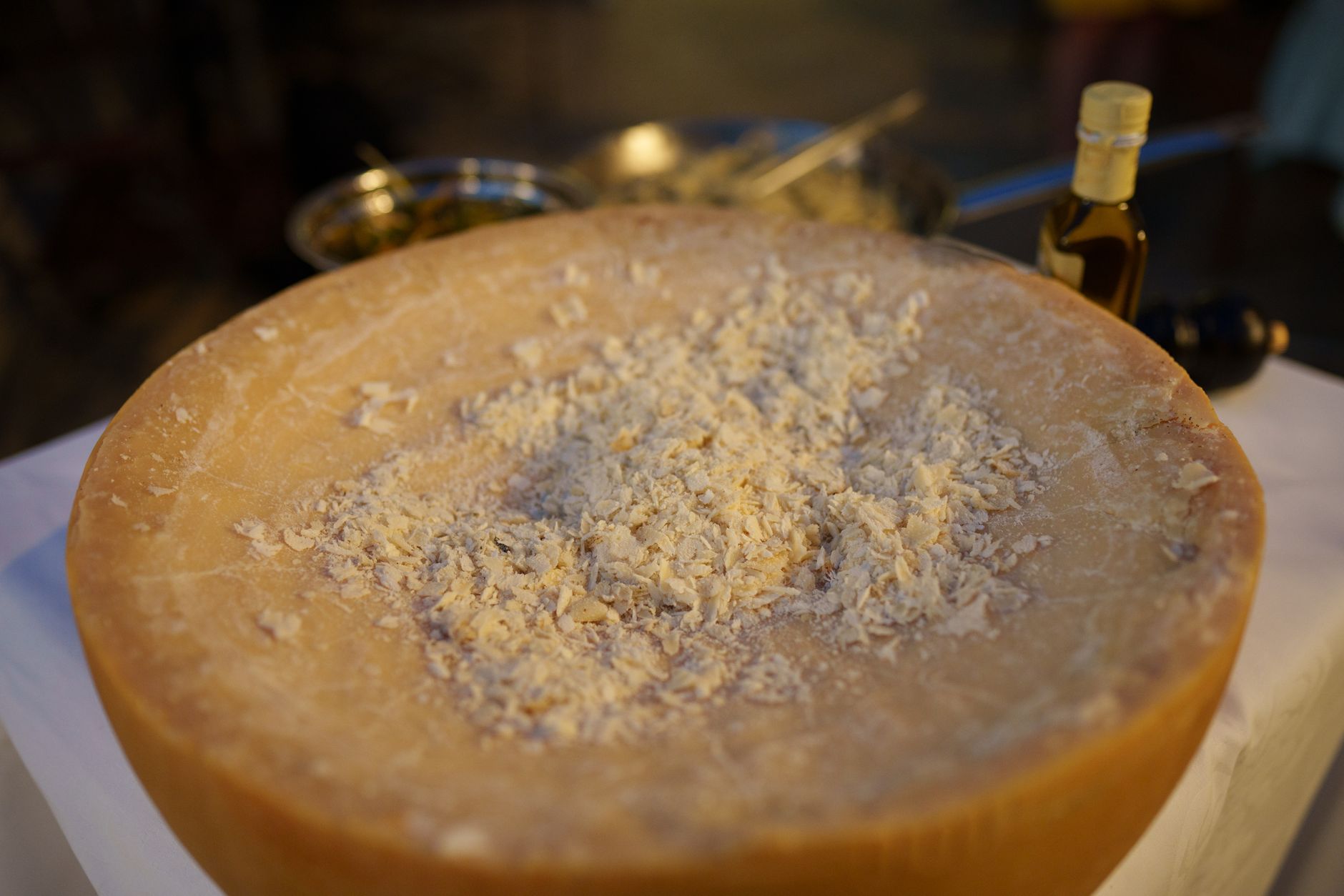
Parmesan cheese, known for its bold flavor and granular texture, is a staple in many kitchens worldwide. But what exactly is it made of, and how does the ingredient composition impact its taste and culinary uses? Understanding the components of Parmesan cheese not only enhances your appreciation but also aids in selecting the right type for your recipes.
This article will delve into the ingredients that are fundamental in creating Parmesan cheese, their roles, and the nuances associated with this beloved cheese. Whether you’re a home cook or an aspiring chef, knowing what goes into Parmesan cheese will enrich your cooking experience.
What Is Parmesan Cheese Made Of?
Parmesan cheese is predominantly made from three key ingredients: cow’s milk, salt, and rennet. These basic components work together through a meticulous aging process to develop its characteristic flavor and texture. Below is a detailed explanation of each ingredient and its function in the cheese-making process.
The Main Ingredients of Parmesan Cheese
Cow’s Milk
The primary ingredient in Parmesan cheese is cow’s milk. High-quality, raw or pasteurized milk is essential for authentic Parmesan, known as Parmigiano-Reggiano in Italy. The cows must be fed a diet rich in natural forage, which greatly influences the milk’s flavor and the final cheese product.
- Pasteurization: Depending on the production standards, the milk may be pasteurized to eliminate harmful bacteria. However, traditional Parmigiano-Reggiano uses raw milk.
- Fat Content: The milk typically has a fat content of around 3.5%, balancing richness with the cheese’s signature sharpness.
Salt
Salt plays a crucial role in both flavoring and preserving Parmesan cheese. It assists in drawing out moisture during the cheese-making process and contributes to the development of the rind.
- Brining: After the cheese is formed, it is often brined in a salted water solution, allowing the salt to penetrate and enhance the cheese’s flavor.
- Flavor Profile: The salt also acts as a natural preservative, extending the shelf life of the cheese and impacting its texture and taste.
Rennet
Rennet is a complex of enzymes derived from the stomachs of ruminant animals, often calves. It is responsible for coagulating the milk, a vital step in cheese production.
- Coagulation: Rennet helps transform the liquid milk into solid curds, allowing the creation of the granular texture characteristic of Parmesan cheese.
- Vegetarian Alternatives: For those who prefer vegetarian options, microbial or vegetable rennet is available, although it may not create the same traditional flavor.
The Cheese-Making Process
The ingredient composition is only part of the story. The cheese-making process significantly influences the flavor and texture of Parmesan cheese. Here’s what happens from start to finish.
- Milk Collection: Freshly sourced cow’s milk is collected. In authentic Parmesan production, this occurs twice a day to ensure optimal quality.
- Heating the Milk: The milk is gently heated to a specific temperature, typically around 33°C (91°F). This step prepares it for the addition of rennet and starter cultures.
- Adding Rennet and Cultures: Starter cultures are added to introduce beneficial bacteria, followed by rennet, which initiates coagulation.
- Cutting the Curd: Once the milk has set, the solid curds are cut into small pieces to encourage whey separation.
- Cooking the Curd: The curds are then cooked and stirred, allowing them to expel more whey and firm up.
- Draining: The whey is drained away, leaving behind the curds. This process sometimes occurs in a cheesecloth to achieve a compact form.
- Pressing: The curds are pressed into molds to maintain their shape and eliminate residual whey.
- Salting: The press forms a block that is salted, whether through surface rubbing or brining.
- Aging: The cheese is aged for a minimum of 12 months, but often much longer, to develop its depth of flavor and desired texture.
Types of Parmesan Cheese
While traditional Parmigiano-Reggiano hails from specific regions in Italy, various styles and brands of Parmesan cheese are available worldwide. Here’s how they differ.
Parmigiano-Reggiano
Authentic Parmigiano-Reggiano is exclusively produced in certain regions of Italy, including Parma, Modena, and parts of Bologna and Mantua. It must adhere to strict regulations regarding production, aging, and ingredient sourcing.
- Aging: This cheese is aged for at least 12 months, with the most premium varieties aging for 24-36 months or longer.
- Flavor: It boasts nutty and fruity notes, a granular texture, and a distinctive umami flavor.
Grana Padano
This cheese is similar to Parmigiano-Reggiano but is produced across a broader geographical area in Northern Italy. It tends to be milder and creamier.
- Aging: It can be aged for a minimum of 9 months up to 20 months.
- Flavor: Grana Padano has a less intense flavor, making it versatile for many dishes.
American Parmesan
Produced in the United States, American Parmesan may not meet the same standards as its Italian counterparts but is often more readily available.
- Aging: Typically aged for 10-12 months.
- Flavor and Texture: The flavor might be less complex, with varying quality depending on the manufacturer.
How to Choose Parmigiano-Reggiano
When shopping for Parmesan cheese, particularly Parmigiano-Reggiano, there are certain aspects to consider to ensure you select a high-quality product.
- Look for the Markings: Authentic Parmigiano-Reggiano will have a stamped rind with its name and the production date.
- Aging: The longer it is aged, the more flavor it tends to develop. Consider the aging to determine the intensity.
- Smell and Texture: A good quality cheese will have a nutty aroma and a firm, granular texture.
Flavor Profile and Culinary Uses
Parmesan cheese is renowned for its robust flavor profile, making it a popular ingredient around the globe. Understanding its taste can help you decide where to use it effectively.
Flavors and Aromas
The complexity of Parmesan cheese comes from the milk fat, proteins, and aging process. Its flavor can be described as:
- Nutty and Fruity: Initially, the flavor is rich and nutty, followed by sweet fruity notes.
- Umami: The aging process develops an umami character, perfect for enhancing dishes.
- Salty: The saltiness can vary based on the style and brand.
Culinary Uses
Parmesan can elevate a wide variety of dishes. Here are some common uses:
- Grated or Shaved: Used as a topping for pastas, salads, and soups.
- Cheese Boards: Serve as part of a cheese platter with fruits and nuts.
- Flavoring Agents: Add it to risottos, sauces, and casseroles for depth of flavor.
Cooking Tips with Parmesan
Incorporating Parmesan into your cooking can be seamless if you keep a few tips in mind:
- Freshness Matters: Purchase whole blocks and grate them at home for the freshest flavor.
- Pairing: Pair Parmesan with complementary ingredients like lemon, garlic, and herbs for enhanced flavor.
- Storage: Store Parmesan in the fridge in an airtight container or wrapped in wax paper to maintain its integrity.
Common Questions About Parmesan Cheese
Here are answers to some frequently asked questions regarding Parmesan cheese, its composition, and uses.
Can Vegans Eat Parmesan Cheese?
Traditional Parmesan cheese contains animal rennet, making it unsuitable for vegans. However, there are vegan alternatives available made from nuts and nutritional yeast that can mimic the flavor.
How Long Can Parmesan Cheese Last?
When stored properly, a block of Parmesan cheese can last for several months in the refrigerator. Be sure to wrap it in cheese paper or wax paper to maintain freshness.
Is Grated Parmesan as Good as Block Parmesan?
While pre-grated Parmesan is convenient, it often contains anti-caking agents that can affect flavor and texture. Freshly grated Parmesan is preferred for its superior taste and quality.
Storage and Serving Suggestions
Proper storage of Parmesan cheese is essential for retaining its flavor and texture. Here are some guidelines:
- Refrigeration: Store Parmesan in the fridge, ideally wrapped in wax paper, cheese paper, or in a sealed container to prevent it from drying out or absorbing odors.
- Freezing: If you need to freeze it, chop it into smaller pieces and use an airtight container. Note that freezing can change its texture, making it best reserved for cooking.
Serving Ideas
Parmesan can be served in various ways:
- With Wine: Pair it with red wines such as Chianti or white wines like Pinot Grigio.
- In Salads: Shaved or grated on top of Caesar salads adds a flavorful kick.
- Complementing Fruits: Serve with fresh figs, pears, or apples for a tasty contrast.
Understanding what Parmesan cheese is made of and how to use it effectively can greatly enhance your culinary skills and food appreciation. From its key ingredients to proper storage and serving suggestions, mastering Parmesan cheese will enrich your meals. Consider incorporating it into your next dish for a delightful burst of flavor.
Explore related recipes, cooking tips, or food guides to enhance your culinary knowledge. Check out the whipped ricotta recipe or try the Brazilian cheese bread recipe for more delicious ideas.