
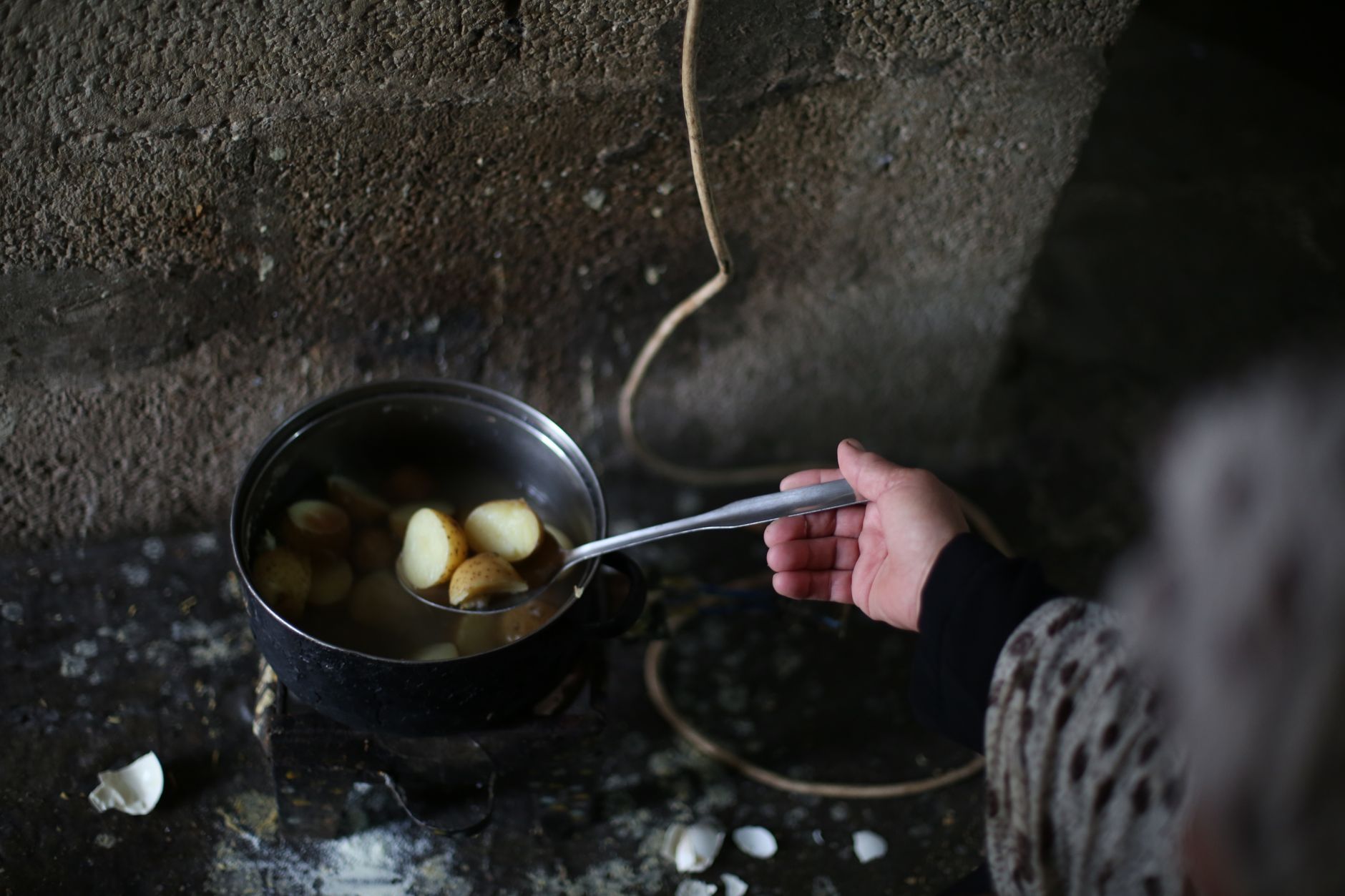
Boiling potatoes is a foundational cooking technique that can be used in a variety of dishes, from mashed potatoes to potato salad. Understanding the time it takes to boil potatoes is essential for achieving the desired texture, whether you’re looking for a tender bite for salads or a creamy consistency for mashing.
This guide explores the timing, techniques, and tips for boiling potatoes effectively. With the right knowledge, you’ll be able to prepare perfectly boiled potatoes for any recipe.
How Long Do You Boil A Potato?
Generally, you should boil potatoes for about 10 to 20 minutes, depending on their size and type. Smaller, more uniform potatoes will cook faster than larger ones. The key is to check for tenderness by piercing with a fork or knife.
Types of Potatoes and Cooking Times
The type of potato you are boiling influences the cooking time significantly. Here’s a brief overview of some common varieties:
- Yukon Gold: These creamy, yellow-skinned potatoes usually take about 15-20 minutes to boil when cut into chunks.
- Russet Potatoes: These starchy potatoes are ideal for mashing and will need around 20-25 minutes to cook through.
- Red Potatoes: Often used in salads, red potatoes generally take around 10-15 minutes to boil, especially when left whole.
- Fingerling Potatoes: These petite potatoes can be boiled in about 10-15 minutes depending on their size.
- Sweet Potatoes: Sweet potatoes require around 15-20 minutes to boil until fork-tender.
Preparation Steps for Boiling Potatoes
Preparing potatoes for boiling is an essential step that ensures even cooking. Here’s how to prepare your potatoes:
- Choose your potatoes: Select the type of potato you want based on your recipe.
- Wash thoroughly: Scrub each potato under cool running water to remove dirt and chemicals.
- Peel if needed: Many recipes call for peeled potatoes, but leave the skin on if you prefer the texture and flavor in dishes like potato salad.
- Cut into even pieces: If you’re using larger potatoes, cut them into uniform chunks to ensure they cook evenly.
- Soak in water (optional): Soaking cut potatoes in cold water for about 30 minutes can help remove excess starch, leading to fluffier boiled potatoes.
Boiling Method
Once your potatoes are prepared, follow these steps to boil them effectively:
- Place in a pot: Add the prepared potatoes to a large pot. For whole potatoes, make sure they all fit comfortably without crowding.
- Add cold water: Cover the potatoes with cold water, about an inch over the top of the potatoes. Cold water helps cook the potatoes evenly.
- Add salt: Incorporate about 1 teaspoon of salt for every quart of water. This enhances the potato flavor.
- Bring to a boil: Place the pot over high heat and cover it. This will help the water to boil faster.
- Reduce heat: Once boiling, reduce the heat to a simmer and uncover the pot. This prevents them from boiling over.
- Check for doneness: Depending on the type and size of the potatoes, begin testing for doneness after about 10 minutes. A fork or knife should easily pierce the potatoes when they are fully cooked.
- Drain and cool: Once cooked, drain the potatoes immediately in a colander and let them cool for a few minutes.
Tips for Perfectly Boiled Potatoes
Here are some tips to ensure that your boiled potatoes come out just right every time:
- Start in cold water for even cooking. If potatoes are placed in hot water, the outside cooks faster than the inside.
- Do not over-boil, as this can lead to mushy, waterlogged potatoes. Always keep an eye on them.
- Avoid increasing the cooking temperature to speed up the process. It’s better to cook them at a moderate simmer for tender potatoes.
- Consider using a timer and check potatoes frequently after the recommended cooking times.
- For additional flavor, you can add herbs like thyme or bay leaves to the boiling water.
Common Mistakes and Troubleshooting
Even experienced cooks can make mistakes when boiling potatoes. Here are some common pitfalls and how to avoid them:
- Overcooked potatoes: If your potatoes are falling apart, reduce the boiling time next time and check them frequently.
- Undercooked potatoes: If they remain firm when pierced, return them to the pot and boil for a few more minutes.
- Too much water: Using an excessive amount of water might overwhelm the potatoes; they should be just covered.
- Rinsing after boiling: Rinsing the potatoes after boiling can wash away flavor. If you’re making a salad, allow them to cool and dry instead.
Serving Suggestions
Boiled potatoes can be served in myriad ways. Here are some ideas:
- Mashed Potatoes: Mash boiled potatoes with butter, milk, and seasoning for a classic side dish.
- Potato Salad: Combine boiled, chilled potatoes with mayonnaise, mustard, herbs, and diced vegetables for a hearty salad.
- Roasted Potatoes: Toss cooled boiled potatoes with olive oil and herbs, then roast in the oven for a crunchy finish.
- Simple Side: Serve boiled potatoes with a sprinkle of salt, pepper, and fresh herbs for a light and nutritious side dish.
Make-Ahead Tips
If you’re looking to save time, you can prepare boiled potatoes ahead of your meal:
- Batch cooking: Boil more potatoes than you need and refrigerate them. They can last in the fridge for up to 4 days.
- Freezing: Boiled potatoes can be frozen. However, they may change texture when thawed, making them more suited for soups or stews.
- Reheating: Reheat boiled potatoes by steaming or microwaving to maintain moisture.
Storing Boiled Potatoes
Proper storage is crucial to maintain the quality of your boiled potatoes:
- Refrigeration: Let boiled potatoes cool down and store them in an airtight container in the refrigerator. They will last for 3-4 days.
- Freezing guidelines: If freezing, cut potatoes into smaller chunks, pat them dry, and store in a freezer-safe bag. They may last for up to 10 months.
Common Variations and Substitutions
You might consider varying how you prepare boiled potatoes or substituting them in different recipes:
- Baby Potatoes: These can be boiled whole and served with olive oil or butter.
- Seasoning Variations: Experiment with various spices such as garlic, rosemary, or paprika during boiling to infuse flavors.
- Using Bone Broth: Replace water with bone broth for richer flavor in soups or when mashing.
Boiling potatoes is not just about the time; it’s about understanding the nuances that affect texture and flavor. Whether you are making mashed potatoes, a hearty salad, or a simple side, knowing how long to boil your potatoes will ensure a delicious outcome. For any modifications, remember to check the tenderness consistently while boiling!
Now that you’re equipped with the knowledge to boil potatoes perfectly, you can confidently enjoy a range of potato-based dishes, knowing that your cooking technique is sound. Whether you’re batch cooking for the week or preparing for a family dinner, follow these guidelines to master the art of boiling potatoes.
For more cooking tips, explore our articles on how to prepare your rice effectively, or look into the perfect time for boiling asparagus for your next meal. As always, happy cooking!