
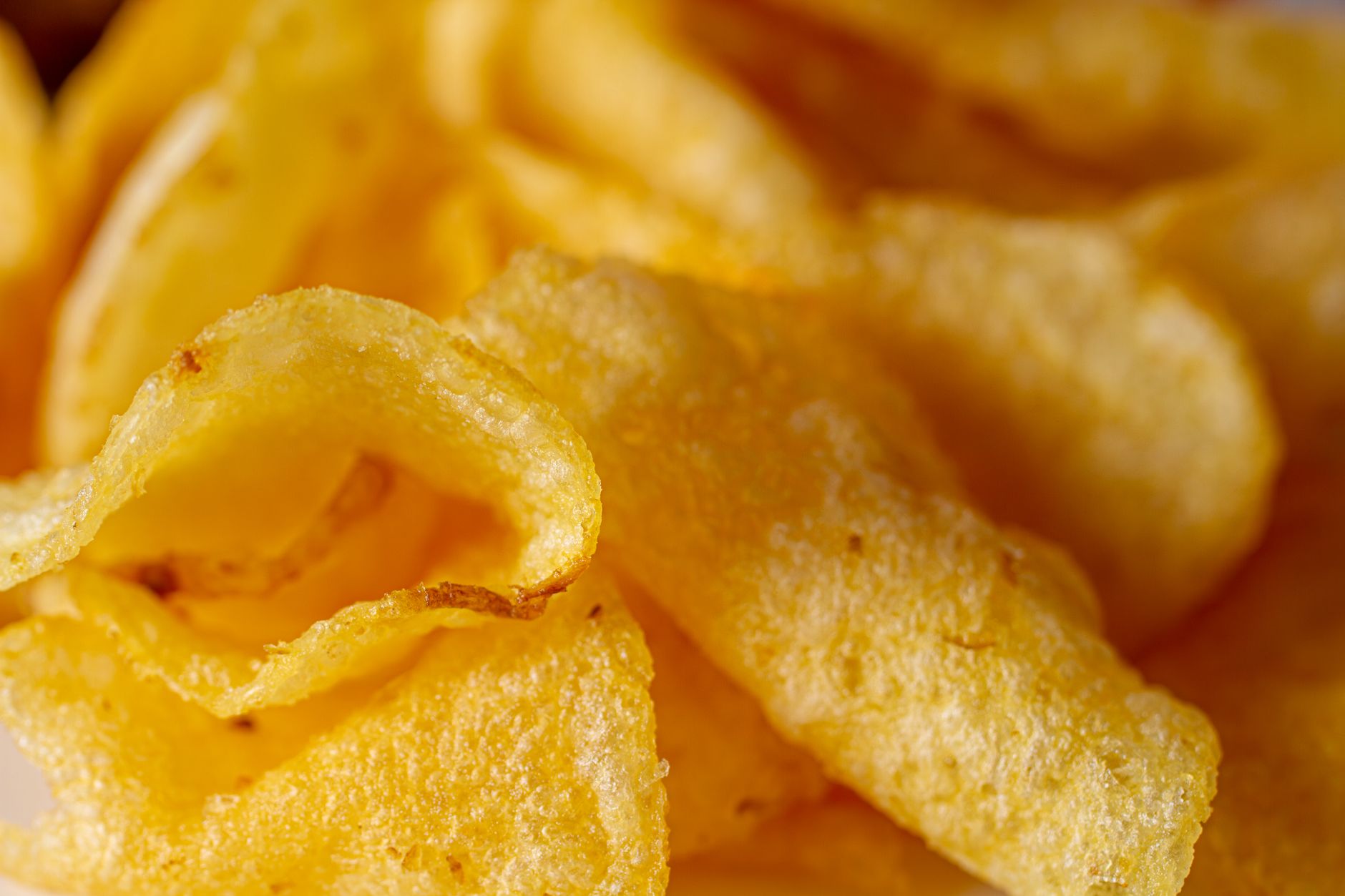
Every snack lover has pondered the question: what is the healthiest chip? While traditional potato chips are often laden with unhealthy fats and sodium, a plethora of healthier alternatives exists today. This article delves into the wide world of chips, assessing nutrition, ingredients, and portion sizes to help you make informed snacking decisions.
Most chips are designed for convenience, but they don’t have to compromise your health. From baked varieties to veggie and grain options, the key is understanding what constitutes a healthier choice while still satisfying your cravings. Let’s explore the healthiest chip options available.
What Is the Healthiest Chip?
Defining the healthiest chip depends on various factors, including nutritional content, ingredient quality, and personal dietary needs. Generally, chips made from whole food ingredients, rich in nutrients and lower in unhealthy fats and sodium, tend to be the healthiest. Veggie chips, whole grain options, and homemade versions usually provide a more nutritious alternative.
Nutritional Comparison of Different Types of Chips
When choosing a chip, look beyond just calories. Analyzing nutritional content can help pinpoint which options support a balanced diet. Here’s a breakdown of popular chip types:
| Chip Type | Calories (per 1 oz.) | Fat (g) | Sodium (mg) | Fiber (g) | Protein (g) |
|---|---|---|---|---|---|
| Potato Chips | 154 | 10 | 170 | 1 | 2 |
| Baked Potato Chips | 120 | 2.5 | 225 | 2 | 2 |
| Vegetable Chips | 140 | 6 | 150 | 2 | 2 |
| Kale Chips | 130 | 10 | 0 | 1 | 3 |
| Popcorn Chips | 100 | 5 | 300 | 2 | 2 |
| Pita Chips | 130 | 7 | 250 | 2 | 3 |
| Lentil Chips | 120 | 6 | 120 | 3 | 3 |
Key Nutritional Components to Consider
When evaluating chips for healthiness, keep the following components in mind:
1. Ingredients
Healthier chips typically boast fewer ingredients, often consisting of whole foods. Look for options made of lentils, chickpeas, or vegetables rather than processed grains. Also, check for additives or preservatives; the more natural, the better.
2. Fat Content
Opt for chips with lower saturated and trans fats. Baked varieties or those made with healthy oils like olive or avocado oil can be preferable. However, remember that fats are essential in moderation, as they aid in nutrient absorption.
3. Sodium Levels
High sodium levels can contribute to increased blood pressure and other health issues. Aim for chips that have less than 200 mg of sodium per serving. Many brands offer lower-sodium options that provide flavor without excess salt.
4. Fiber and Protein
Higher fiber and protein content can contribute to improved satiety, helping to curb cravings for larger quantities. Look for chips that include whole grains, legumes, or vegetables to boost these nutritional components.
Popular Healthy Chip Options
Here are some of the most popular healthy chips available today:
1. Baked Potato Chips
Baked potato chips offer a crunchy texture with less fat than traditional fried chips. While they still possess some sodium, they are a healthier alternative that retains flavor.
2. Vegetable Chips
Made from vegetables like beetroot, sweet potato, and kale, vegetable chips can offer varied flavors and textures. They often provide essential vitamins and minerals, making them a more health-conscious option.
3. Kale Chips
Kale chips are made by baking kale leaves, resulting in a crispy snack loaded with nutrients. They can be seasoned with various spices, offering both flavor and health benefits.
4. Lentil Chips
Lentil chips offer a protein-packed alternative, typically accompanied by higher fiber content. They have a satisfying crunch and unique flavor, making them an excellent replacement for traditional chips.
5. Chickpea Chips
Chickpea chips are gluten-free and high in protein, making them a great option for those with dietary restrictions. Their nutty flavor pairs well with dips and spreads.
6. Popcorn Chips
Popcorn chips made from popped corn can provide a light crunch with fewer calories. They are often air-popped and can be a fun, lower-calorie alternative to traditional chips.
7. Pita Chips
Pita chips are made from whole wheat pita bread, providing a crunch that pairs well with hummus and dips. While they often contain added flavoring, they can still be a healthier option when baked rather than fried.
Homemade Healthy Chips
Making your own chips is a fantastic way to control ingredients and flavors. Here’s how to make a simple batch of healthy baked veggie chips:
Ingredients
- 2 cups of thinly sliced vegetables (such as kale, sweet potato, beetroot, or zucchini)
- 1 tablespoon of olive oil or avocado oil
- Salt to taste
- Optional: spices such as paprika, garlic powder, or nutritional yeast
Essential Equipment
- Baking sheet
- Parchment paper
- Oven
- Sharp knife or mandoline slicer
Instructions
- Preheat the oven to 350°F (175°C).
- Thinly slice the vegetables using a sharp knife or mandoline for even cooking.
- In a bowl, toss the vegetable slices with olive oil and seasonings until evenly coated.
- Spread the vegetables in a single layer on a baking sheet lined with parchment paper.
- Bake for 10-15 minutes, checking frequently to ensure they don’t burn, until crispy.
- Let cool and enjoy as a healthy snack.
Portion Control: How to Enjoy Chips Responsibly
Even healthier chip options can contribute to unwanted calories if consumed excessively. Here are practical tips for portion control:
- Measure your portions: Use a food scale or measuring cup to serve a single portion instead of eating directly from the bag.
- Pair with nutritious dips: Consider pairing chips with healthier dips like hummus, guacamole, or Greek yogurt to enhance your snacking experience while adding nutrients.
- Mindful eating: Take the time to enjoy your snacks. Focus on the flavors and textures to truly appreciate them, helping to prevent mindless munching.
- Create a balanced plate: Incorporate chips as part of a balanced meal or snack that includes protein and vegetables for a more satisfying option.
Common Mistakes to Avoid When Choosing Chips
Here are some pitfalls to avoid when selecting or consuming chips:
- Overlooking serving sizes: Many bags contain multiple servings, leading to unintentional overeating. Always check the serving size on the package.
- Assuming all veggie chips are healthy: Some vegetable chips may be heavily processed and high in sodium or fats. Check labels carefully.
- Neglecting added sugars: Some chips, especially those marketed as “flavored,” may have added sugars that can increase calorie counts.
Conclusion
Choosing the healthiest chip is about making informed decisions based on nutritional content and personal dietary needs. Opt for options that feature whole food ingredients, lower sodium, and higher fiber and protein content. Baked varieties, veggie chips, and homemade alternatives can delight your taste buds while contributing to a healthier lifestyle. Remember to practice portion control to make the most of your snacking experience.
For more nutritious recipes and cooking tips, explore the benefits of chia seeds or try our delicious chia pudding recipe with coconut milk.