
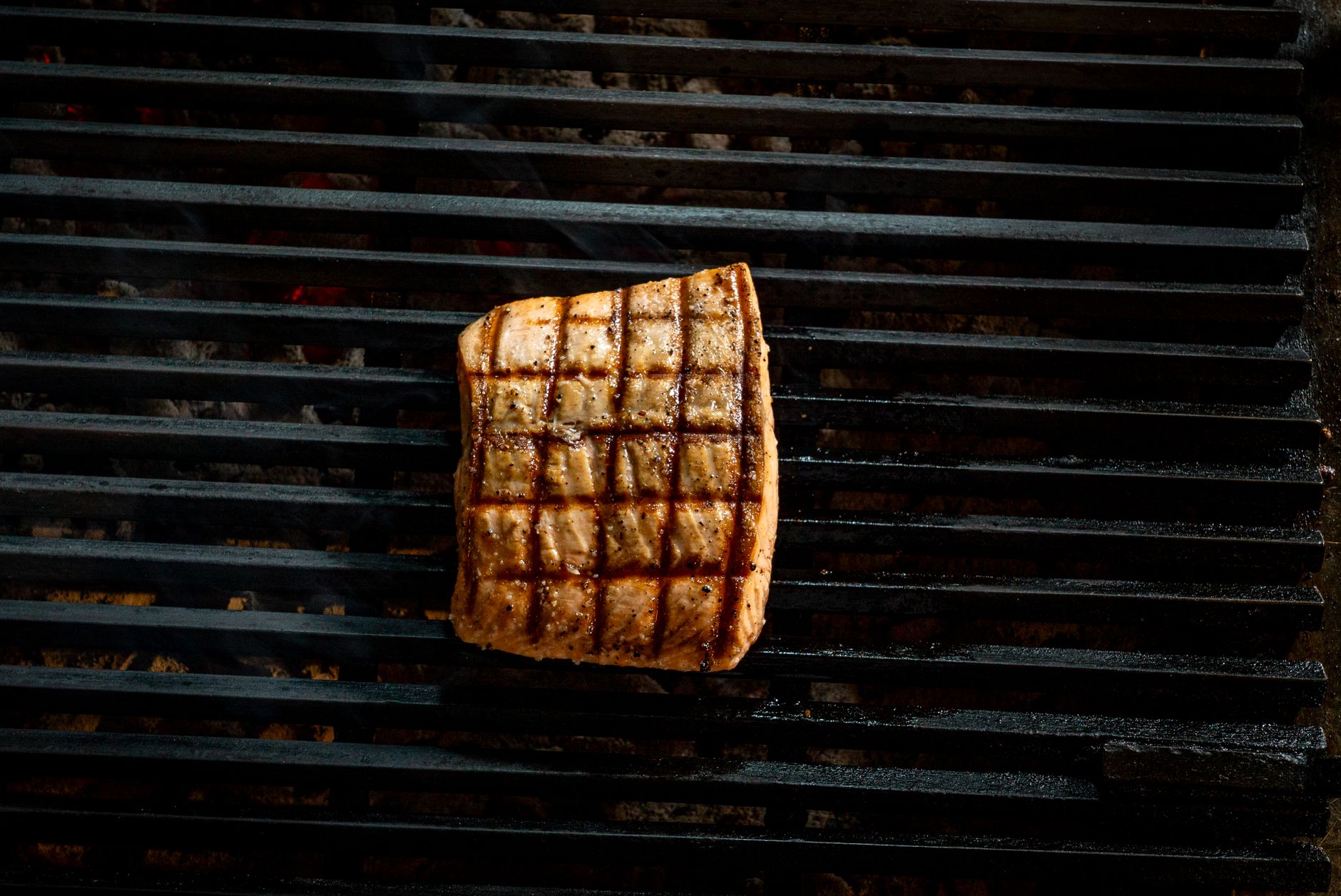
Mahi Mahi, also known as dorado or dolphinfish, is a popular fish choice due to its delicious flavor and nutritious profile. As a staple in various cuisines, Mahi Mahi’s protein content is a major reason for its popularity among health-conscious consumers. In this article, we will explore how much protein is in Mahi Mahi and how it compares to other proteins, along with serving sizes and nutritional information.
Whether you’re looking to increase your protein intake, trying to eat healthier, or simply planning your next meal, understanding Mahi Mahi’s nutritional value will help you make informed choices when it comes to dining or meal prep.
How Much Protein in Mahi Mahi?
One serving (approximately 3 ounces) of cooked Mahi Mahi contains about 22 grams of protein. This not only makes it a great source of protein but also contributes to its appeal for those looking to build muscle or maintain a balanced diet. This protein content can vary slightly depending on how the fish is prepared.
Nutritional Overview of Mahi Mahi
In addition to its impressive protein content, Mahi Mahi offers several other nutritional benefits. Here’s a breakdown of the general nutritional content found in a 3-ounce serving of cooked Mahi Mahi:
- Calories: About 105
- Protein: Approximately 22 grams
- Fat: Around 2.5 grams
- Carbohydrates: 0 grams
- Omega-3 Fatty Acids: Approximately 0.1 grams
- Cholesterol: About 70 milligrams
- Vitamin B6: 0.4 milligrams (22% DV)
- Vitamin B12: 2.4 micrograms (40% DV)
- Niacin: 3.4 milligrams (17% DV)
Mahi Mahi is low in calories but high in essential nutrients, making it an excellent choice for those following a weight management plan or looking to incorporate more seafood into their diets.
Protein Content Comparison: Mahi Mahi vs Other Protein Sources
Understanding Mahi Mahi’s protein content becomes more insightful when compared to other common protein sources. Here’s a quick comparison of various protein-rich foods based on a standard 3-ounce serving size:
| Food Item | Protein (grams) | Calories |
|---|---|---|
| Mahi Mahi | 22 | 105 |
| Chicken Breast | 26 | 140 |
| Tuna (canned in water) | 22 | 99 |
| Salmon | 22 | 206 |
| Ground Beef (85% lean) | 22 | 215 |
This comparison shows that Mahi Mahi not only provides a substantial amount of protein but does so with fewer calories than some other protein sources, allowing for better dietary management without sacrificing nutrition.
How to Cook Mahi Mahi to Retain Its Nutritional Benefits
Cooking techniques can influence the nutritional outcome, especially regarding protein retention. Here are some fundamental methods to prepare Mahi Mahi while ensuring you retain its healthy properties:
Grilling Mahi Mahi
- Preheat the grill to medium-high heat.
- Season the Mahi Mahi fillets with your choice of herbs, spices, and a drizzle of olive oil.
- Place the fillets on the grill and cook for about 4–5 minutes on each side.
- Remove the fish from the grill when it is opaque and flakes easily with a fork.
Baking Mahi Mahi
- Preheat your oven to 400°F (204°C).
- Place Mahi Mahi fillets in a baking dish and season with lemon juice, salt, and pepper.
- Bake for 15-20 minutes, depending on the thickness. The fish is ready when opaque and flakes easily.
Sautéing Mahi Mahi
- Heat a skillet over medium heat and add a small amount of oil.
- Add seasoned Mahi Mahi fillets and cook for 3-4 minutes on each side until golden and flaky.
Regardless of the cooking method, avoid heavy sauces and breading that may overshadow Mahi Mahi’s natural flavor and add unnecessary calories.
Practical Substitutions for Mahi Mahi in Recipes
While Mahi Mahi is a fantastic fish to cook with, there may be times when you need to find a suitable substitute. Consider these alternatives that provide similar protein content and flavor profiles:
- Snapper: Similar in taste and texture; high in protein.
- Tilapia: A milder flavor; easier to find and typically less expensive.
- Grouper: Offers a firm texture and is rich in protein.
- Tuna: A bit firmer and richer in flavor; can also be grilled, baked, or sautéed.
When substituting, note that cooking time may vary slightly based on the type of fish used, so it’s best to monitor doneness closely.
Common Mistakes When Cooking Mahi Mahi
While cooking Mahi Mahi can be straightforward, several common mistakes can lead to suboptimal results. Here are some pitfalls to avoid:
- Overcooking: This fish cooks quickly, and overcooking can result in a dry texture. Keep a close eye on the cooking time.
- Ignoring Freshness: Always choose fresh or properly frozen Mahi Mahi. Fresh fish will have a mild aroma without strong fishiness.
- Poor Seasoning: Don’t overlook the flavor! Simple seasonings can enhance the natural taste of the fish.
- Frying: Frying can overshadow the light flavor of Mahi Mahi. Opt for lighter cooking methods to maintain its integrity.
Serving Suggestions for Mahi Mahi
Mahi Mahi can be served in a variety of ways to suit different palates. Here are some suggestions that complement its flavor:
- Serve with a mango salsa for a refreshing contrast.
- Pair with roasted vegetables for a hearty meal.
- Accompany with a coconut curry for a tropical twist.
- Pair with a green salad dressed with lemon vinaigrette for a light yet satisfying dish.
Storing and Reheating Mahi Mahi
To preserve the quality and safety of cooked Mahi Mahi, proper storage is essential. Follow these guidelines:
- Refrigerate cooked Mahi Mahi within two hours of cooking to prevent bacterial growth.
- Store in an airtight container for up to three days in the refrigerator.
- To freeze, wrap tightly in plastic wrap and then place in a freezer-safe bag; it will maintain quality for up to three months.
When reheating, do so gently in an oven or a covered skillet over low heat to prevent drying out the fish.
Meal Planning with Mahi Mahi
Incorporating Mahi Mahi into your meal planning can be a delicious and nutritious choice. Here are some strategies to include this fish in your weekly meals:
- Plan a Mahi Mahi night; serve it grilled on tacos with slaw and avocado.
- Prepare a batch of baked Mahi Mahi for quick lunches during the week.
- Create a seafood medley dish featuring Mahi Mahi, shrimp, and scallops.
By planning specific recipes around the protein content, you can ensure you meet your dietary needs while enjoying various culinary experiences.
Conclusion
Mahi Mahi is not only a delectable choice for your meals but also a fantastic source of protein that can fit seamlessly into a healthy diet. With approximately 22 grams of protein in a 3-ounce serving, it’s a valuable addition to any meal plan. Remember to explore different cooking methods, keep an eye on your cooking times, and enjoy the range of flavors that can accompany this versatile fish.
To enhance your culinary experiences, check out our Mahi Mahi recipe for the oven or dive into our protein cookies recipe for another nutritious option. Each recipe is designed to boost your protein intake while offering delicious flavors. Enjoy cooking!