
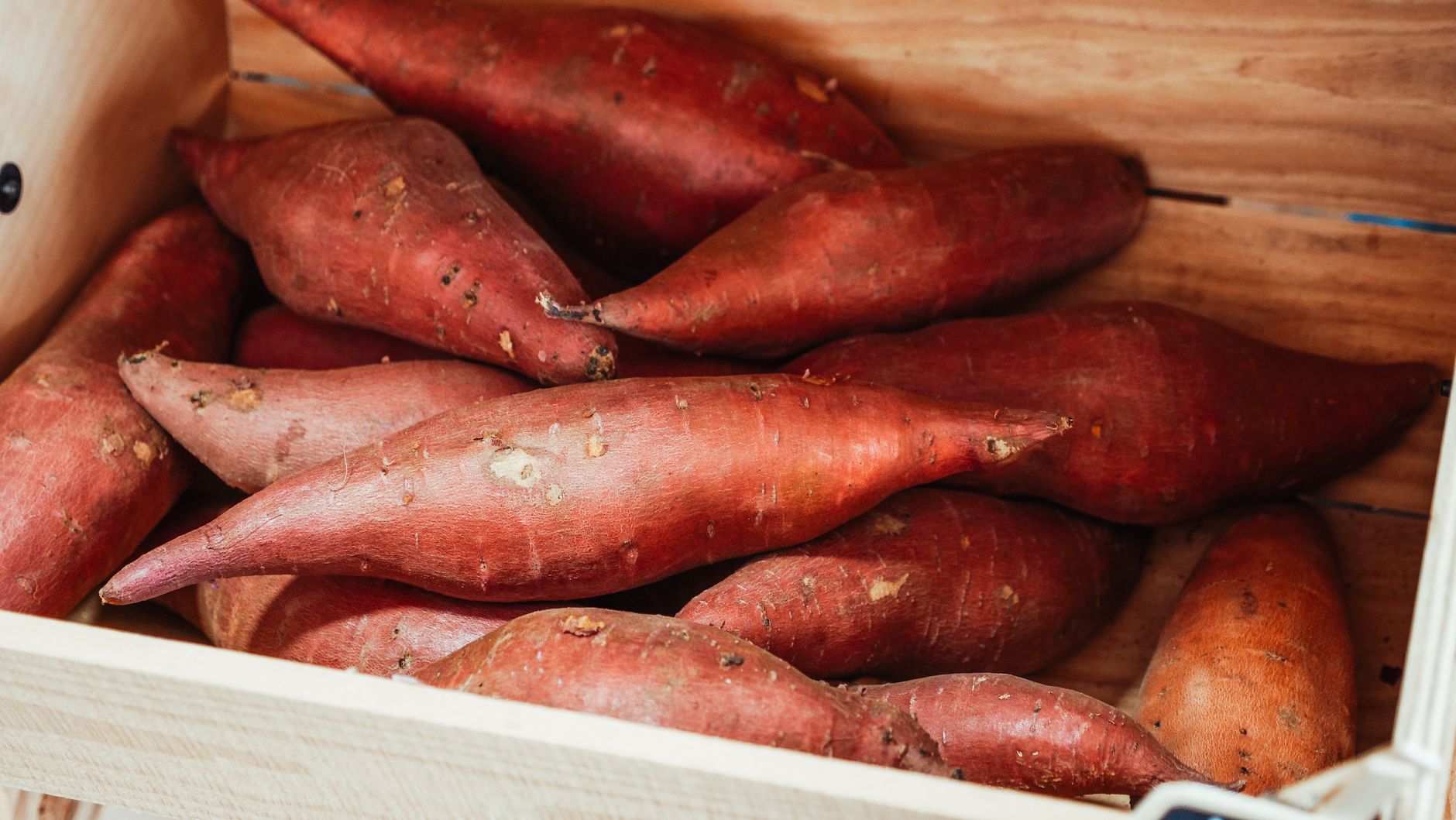
Sweet potatoes are a versatile and nutritious ingredient that can be enjoyed in various dishes, from savory sides to delicious desserts. To get the most out of them, knowing how to store them properly is essential. One common question arises: how long is sweet potato good for in the fridge?
This article will guide you through the best practices for storing sweet potatoes, their shelf life in the refrigerator, and how to tell when they have spoiled. With this information, you’ll be better prepared to make the most of this delicious root vegetable.
How Long Is Sweet Potato Good For In The Fridge?
Sweet potatoes can stay fresh in the fridge for about 3 to 5 days after being cooked or cut. If they remain whole and unwashed, they last longer—typically around 1 to 2 weeks. However, it’s best to avoid storing raw sweet potatoes in the fridge, as this can change their texture and flavor.
Storing Uncooked Sweet Potatoes
While it might be tempting to refrigerate sweet potatoes to extend their shelf life, this method is not always ideal. Here’s how to store uncooked sweet potatoes effectively to ensure maximum freshness:
- Cool, Dark, and Dry Place: Store sweet potatoes in a cool, dark, and dry area, like a pantry or the countertop, away from direct sunlight.
- Avoid Refrigeration: Refrigerating raw sweet potatoes will often lead to a hard center and an undesirable texture. This can negatively affect their flavor and cooking quality.
- Ventilation: Keep sweet potatoes in a well-ventilated container or mesh bag to avoid moisture buildup, which can promote rot.
Storing Cooked Sweet Potatoes
Once you have cooked sweet potatoes, proper refrigeration can help maintain their flavor and texture. Here’s how to store cooked sweet potatoes effectively:
- Cool Before Storing: Allow cooked sweet potatoes to cool at room temperature for no more than two hours before storing them in the refrigerator.
- Airtight Containers: Place the sweet potatoes in an airtight container or wrap them with aluminum foil or plastic wrap to prevent moisture loss and contamination from other fridge odors.
- Labeling: Consider labeling containers with the date to track how long they’ve been stored, helping to avoid keeping them past their optimal freshness.
Signs of Spoilage
Understanding how to identify spoilage will ensure you consume sweet potatoes at their best. Here are the signs that your sweet potatoes have gone bad:
- Soft or Mushy Texture: Good sweet potatoes should feel firm. If they have become soft or mushy, it’s best to discard them.
- Off Odors: Sweet potatoes should have a mild, earthy smell. An unpleasant or sour odor indicates spoilage.
- Mold or Dark Spots: Visible mold growth or dark spots on the skin are clear signs that sweet potatoes are no longer safe to eat.
- Sprouting: If they have begun to sprout but still feel firm, you can cut away the sprouts and use the remaining flesh. However, if the flesh is soft or wrinkled, discard the sweet potato.
Freezing Sweet Potatoes
If you want to extend the shelf life of sweet potatoes even further, freezing is a great option. Here’s how to do it correctly:
Preparation for Freezing
- Wash and Peel: Start by washing and peeling the sweet potatoes. Remove any blemishes or dark spots.
- Cooking: Cook the sweet potatoes by boiling, steaming, or baking until tender. This step helps maintain their texture when frozen.
- Cooling: Allow the cooked sweet potatoes to cool completely before freezing.
- Cubing (Optional): Cut the cooled sweet potatoes into cubes or leave them whole, depending on how you plan to use them later.
- Packaging: Place sweet potatoes in airtight freezer bags or containers, removing as much air as possible to prevent freezer burn.
- Labeling: Don’t forget to label the bags with the date to track freshness.
How Long Can You Freeze Sweet Potatoes?
Frozen sweet potatoes can last up to 6 to 12 months in the freezer. Properly stored, they remain safe to eat beyond this timeframe, but quality and flavor might diminish over time.
Thawing Frozen Sweet Potatoes
When it’s time to use your frozen sweet potatoes, consider these thawing options:
- Refrigerator Thawing: Place your sweet potatoes in the refrigerator overnight for a slow thaw, which helps maintain texture.
- Microwave Thawing: For quicker thawing, you can utilize the microwave. Use the defrost setting or a low power level to avoid cooking them.
- Cooking from Frozen: In some cases, you can cook sweet potatoes directly from frozen. This method might take a little longer in the oven or pot.
Culinary Uses for Sweet Potatoes
Sweet potatoes are incredibly versatile with countless culinary uses. Here are a few delicious ideas to incorporate them into your meals:
- Mashed Sweet Potatoes: Creamy, buttery mashed sweet potatoes make a wonderful side dish and can serve as a base for many flavors.
- Sweet Potato Fries: Slice into wedges or sticks, toss with oil and seasonings, and bake for a healthier take on fries.
- Sweet Potato Casserole: Combine mashed sweet potatoes with sugar, butter, and spices; top with marshmallows for a sweet side dish.
- Chili or Stews: Diced sweet potatoes add sweetness and heartiness to chilis and stews.
- Baked Sweet Potatoes: Simply bake and serve topped with butter, cinnamon, or even savory toppings like beans and cheese.
Related Recipes to Try
Here are some delicious recipes to help you utilize sweet potatoes:
With proper storage techniques, you can enjoy sweet potatoes for an extended time and waste less food. Remember to monitor for spoilage signs and make the most of this nutritious and versatile ingredient by incorporating it into your favorite dishes.
Explore related recipes, cooking tips, or food guides such as how to bake a sweet potato or a sweet potato cornbread recipe for more exciting ideas and information.