
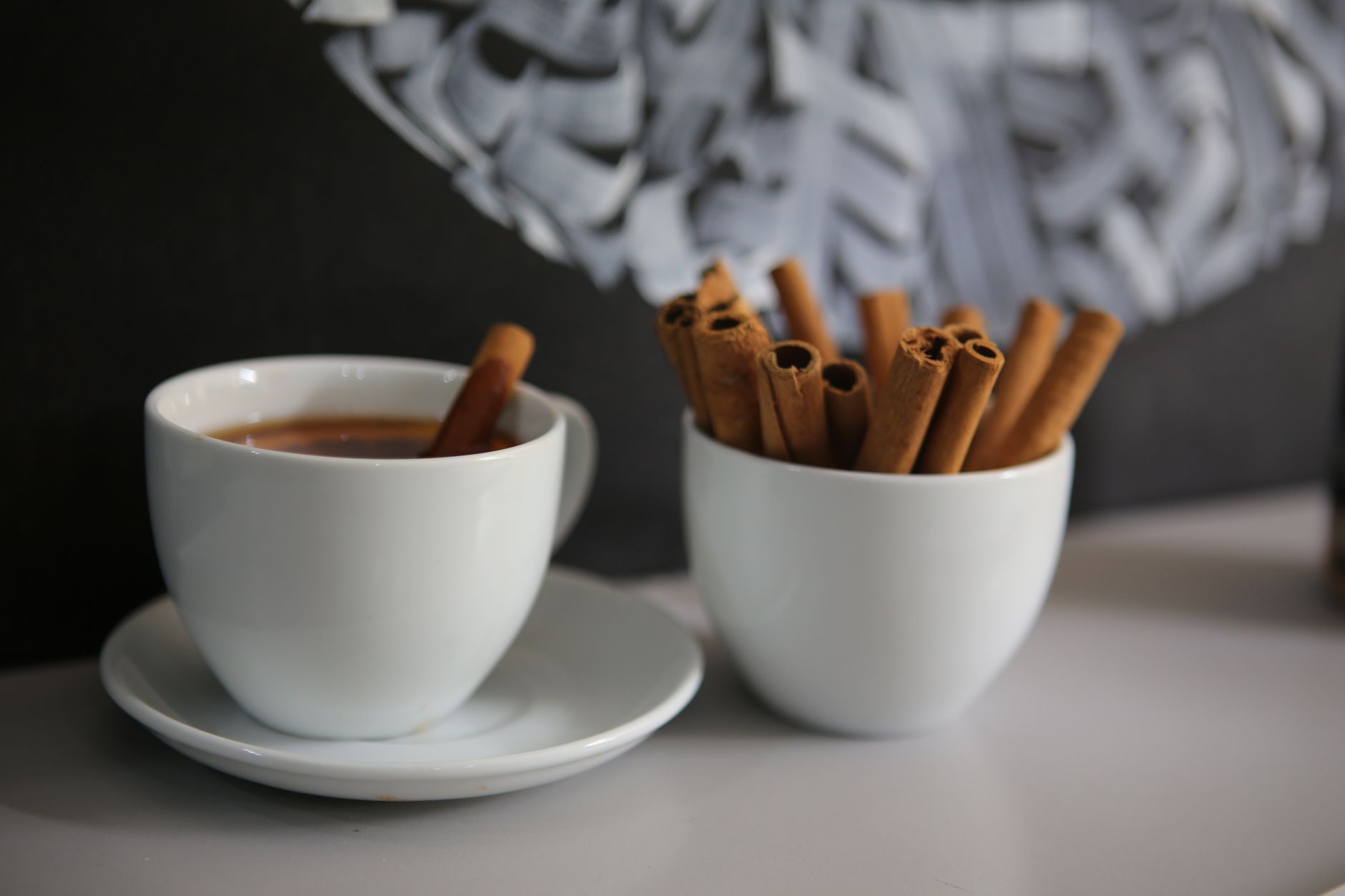
Cinnamon is a beloved spice known for its distinct and warm flavor, used in numerous recipes worldwide. While we often find ground cinnamon in our kitchens, many wonder about the safety and edibility of cinnamon sticks. Understanding their culinary uses, potential health benefits, and whether they can be consumed directly is essential for maximizing their flavor in your dishes.
This article delves into the details of eating cinnamon sticks, exploring their flavor profile, nutritional aspects, culinary applications, and safety considerations. By the end, you’ll learn how to incorporate these aromatic sticks into your cooking and what to keep in mind when doing so.
Can You Eat a Cinnamon Stick?
Yes, you can eat a cinnamon stick, but it is typically not recommended to consume it whole. Cinnamon sticks can be used for flavoring various dishes, and while they are safe to eat in small amounts, chewing on them may be tough and unpleasant due to their hard texture.
Instead of eating the stick whole, many culinary experts recommend using them to infuse flavors into liquids or dishes and then removing them before serving. This method allows you to enjoy the rich, warm flavors of cinnamon without the challenge of consuming the stick itself.
Understanding Cinnamon: Varieties and Flavor Profiles
Cinnamon comes in two primary varieties: Ceylon and Cassia. Understanding the differences can help you choose the best type for your culinary needs:
- Ceylon Cinnamon (True Cinnamon): This variety has a delicate, slightly sweet flavor, with subtle citrus and floral notes. It is often considered the “true” cinnamon and is more expensive due to its limited production.
- Cassia Cinnamon: More commonly found in grocery stores, Cassia has a stronger, spicier flavor and a thicker bark. It’s typically less expensive and is what most people refer to as cinnamon.
When selecting cinnamon sticks, look for Ceylon for more delicate flavors, while Cassia may be suitable for bolder dishes. Each type has its unique culinary applications and should be chosen based on the flavors you want to emphasize.
Nutritional Aspects of Cinnamon
Cinnamon, particularly in stick form, contains beneficial compounds that can support health. Here’s a closer look at what cinnamon offers:
- Antioxidants: Cinnamon is rich in antioxidants like polyphenols, which can help reduce inflammation and protect cells from damage.
- Anti-inflammatory Properties: The compounds in cinnamon may help combat inflammation in the body, which is linked to various chronic diseases.
- Blood Sugar Regulation: Some studies suggest that cinnamon may improve insulin sensitivity and help lower blood sugar levels, making it beneficial for those with type 2 diabetes.
While you can enjoy the flavor of cinnamon by infusing it into dishes, remember that the amounts consumed should be moderate. Chewing on cinnamon sticks isn’t a common practice due to the hard texture and potential mouth irritation for some individuals.
How to Use Cinnamon Sticks in Cooking
Cinnamon sticks can enhance a variety of dishes. Their ability to infuse flavors makes them an excellent addition to both sweet and savory recipes. Here are several practical uses for cinnamon sticks in cooking:
Flavoring Beverages
Cinnamon sticks are often used in hot beverages to impart warm, aromatic flavors. Consider these suggestions:
- Tea: Brew tea by adding a cinnamon stick during steeping for a spiced flavor.
- Hot Apple Cider: Simmer apple cider with a cinnamon stick for a traditional beverage perfect for fall.
- Coffee: Add a cinnamon stick to your coffee pot or cup to infuse robust flavor as it brews.
Enhancing Sweet Dishes
Incorporating cinnamon sticks into your sweet recipes can elevate flavors:
- Rice Pudding: Add a cinnamon stick while simmering rice pudding for a warm touch.
- Fruit Compotes: Use to flavor fruit compotes or jams, imparting a warm spice.
- Baking: Add a stick to your baking dishes, like cinnamon rolls or cakes, while they bake, and remove before serving to enhance flavor.
Savory Dishes
Don’t shy away from using cinnamon sticks in savory dishes:
- Curries: They are commonly used in cinnamon-infused curries and stews for added depth.
- Braised Dishes: Use them in braised meats or lentil dishes for a warm undertone.
- Soups: A stick can elevate flavors in butternut squash or pumpkin soups.
How to Use Cinnamon Sticks: A Step-by-Step Guide
Using cinnamon sticks in cooking can be straightforward. Here’s a step-by-step guide on how to do it:
- Choose Your Recipe: Decide on a recipe where adding a cinnamon stick would enhance the flavor, whether it’s a beverage, dessert, or savory dish.
- Add the Stick: Incorporate the cinnamon stick into the dish at the appropriate cooking stage. For liquids, add it early on to allow for enough infusion time.
- Simmer or Brew: Allow the dish to simmer, stir or brew, as directed, depending on the recipe.
- Remove Before Serving: Before serving, carefully remove the cinnamon stick. This prevents anyone from mistakenly biting into the hard stick.
Common Mistakes to Avoid with Cinnamon Sticks
Working with cinnamon sticks can enhance your cooking, but certain mistakes can detract from your culinary endeavors:
- Not Removing the Stick: Forgetting to take out the stick before serving can leave an unpleasant bite in your dish.
- Overinfusing: Allowing the stick to steep too long can lead to bitterness, especially in beverages.
- Using Low-Quality Cinnamon: Poor-quality cinnamon sticks can have a lackluster flavor. Opt for high-quality, fragrant sticks.
Storing Cinnamon Sticks
Proper storage of cinnamon sticks ensures their flavor remains potent:
- Keep They Dry: Store cinnamon sticks in a cool, dry place inside an airtight container.
- Avoid Direct Sunlight: Protect them from light exposure as it can weaken flavor over time.
- Check Expiry: Although cinnamon sticks have a long shelf life, be mindful of their aroma. If they lack fragrance, they may have lost their flavor.
Practical Tips for Cooking with Cinnamon Sticks
Here are some additional helpful tips for successfully using cinnamon sticks in your cooking:
- Cut or Crush for More Flavor: If a more immediate cinnamon flavor is desired, consider cutting or crushing the stick before adding it to dishes, allowing for faster infusion.
- Experiment with Pairings: Cinnamon pairs well with apples, nuts, citrus, and even certain savory herbs like rosemary.
- Combine with Other Spices: Consider using cinnamon sticks in conjunction with other spices such as cardamom, cloves, or star anise for a complex flavor profile.
Conclusion
Cinnamon sticks can indeed elevate your cooking, providing depth and warmth to both sweet and savory dishes. While they may not be suited for direct consumption, their culinary benefits are vast when used to infuse flavors into recipes. Remember to remove them before serving and store them correctly to maintain their quality and flavor.
For delicious cinnamon-infused recipes like cinnamon rolls or warming cinnamon bread, explore our related recipes and cooking tips to continue enhancing your culinary adventures!