
Maintaining healthy cholesterol levels is crucial for overall health, especially in preventing heart disease. Dietary choices play a key role in managing cholesterol levels, with certain foods known for their cholesterol-lowering properties. Understanding what foods can help lower cholesterol will empower you to make wiser meals and snacks.
This article explores various foods that contribute to lower cholesterol levels, including their benefits, preparation tips, and recommendations for including them in your daily diet.
What Food Helps Lower Cholesterol?
Foods that are beneficial for lowering cholesterol include those rich in fiber, healthy fats, and specific nutrients that can help improve cholesterol profiles. Particularly, foods like oats, legumes, nuts, fatty fish, fruits, and vegetables are recognized for their cholesterol-lowering potential.
High-Fiber Foods
Fiber is essential for digestive health, but it also plays a significant role in lowering cholesterol. Soluble fiber, found in certain foods, helps reduce the absorption of cholesterol into your bloodstream.
Oats
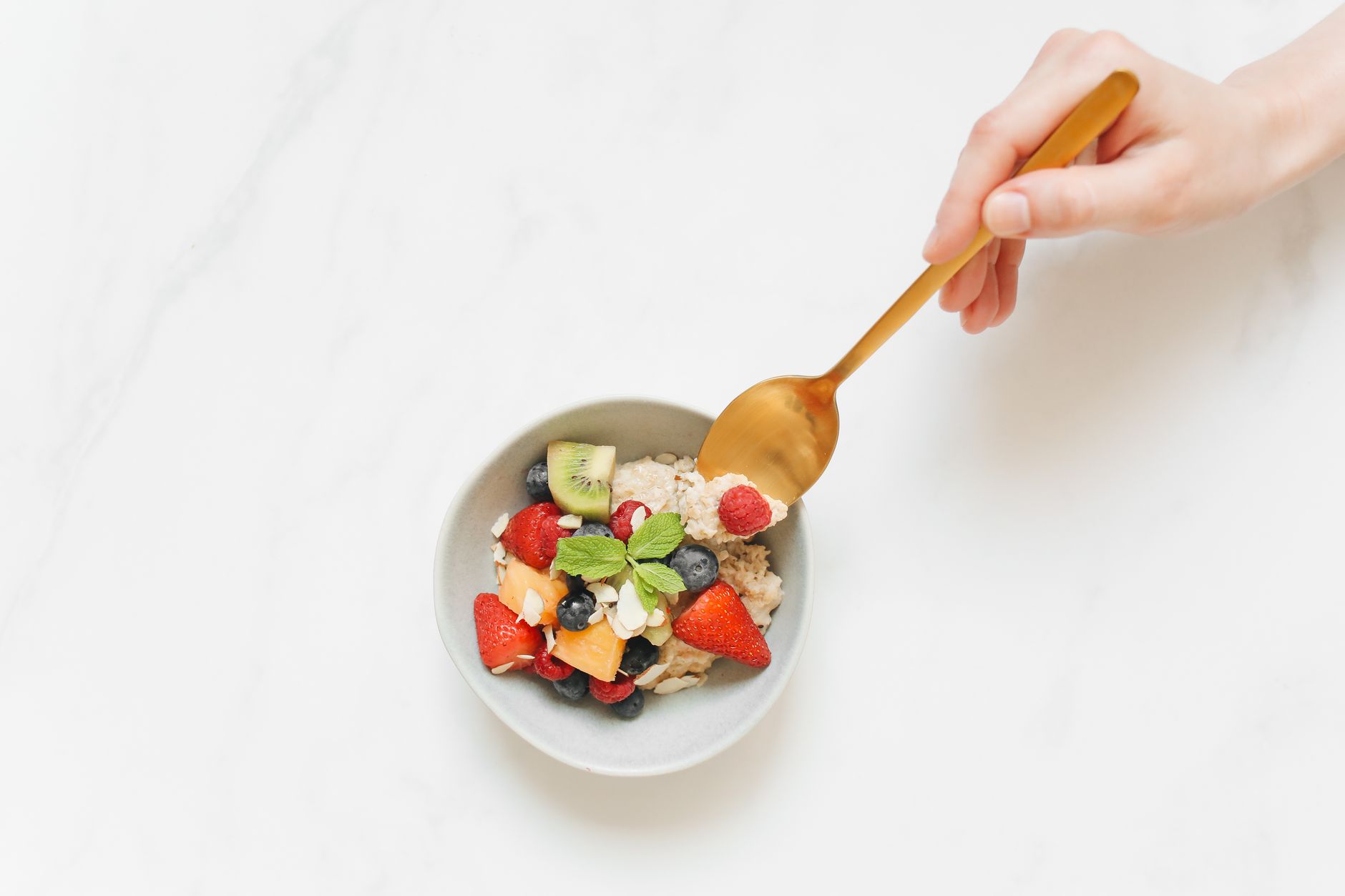
Oats are a fantastic source of soluble fiber. Eating just a bowl of oatmeal can contribute to lowering LDL (bad cholesterol) levels. The beta-glucan in oats helps bind cholesterol in the digestive system, aiding its removal.
- Serving Tip: Enjoy oatmeal topped with fruits, nuts, or seeds for a heart-healthy breakfast.
- Preparation: Cook rolled or steel-cut oats using water or milk and add seasoning like cinnamon for flavor enhancement.
Legumes
Legumes such as beans, lentils, and chickpeas are rich in soluble fiber and can lower cholesterol levels effectively. They are also a great source of plant-based protein.
- Cooking Idea: Incorporate legumes into salads, soups, or as a meat substitute in dishes like tacos or chili.
- Preparation: Canned legumes can be used for convenience; just rinse to reduce sodium content before using.
Healthy Fats
Replacing saturated fats found in meats and full-fat dairy with unsaturated fats can help to improve cholesterol levels. Incorporating healthy fats into your diet is essential for heart health.
Avocado
Avocado is rich in monounsaturated fats, which can help lower LDL cholesterol. It also provides a bounty of vitamins and nutrients.
- Serving Tip: Add sliced avocado to salads or spread it on whole-grain toast.
- Preparation: Simply cut in half, remove the pit, and scoop out the flesh for easy consumption.
Nuts
Nuts such as almonds, walnuts, and pistachios are known for their heart-healthy fats. They are nutrient-dense and can help lower cholesterol levels when consumed in moderation.
- Serving Suggestion: Enjoy a handful of nuts as a snack, or add them to salads and yogurt.
- Preparation: Toast nuts lightly to enhance their flavor before adding them to your meals.
Fatty Fish
Fatty fish are excellent sources of omega-3 fatty acids, which have been shown to lower blood cholesterol levels and improve heart health. Regular consumption of these fish is beneficial for overall cardiovascular wellness.
Salmon
Salmon is particularly notable for its high omega-3 content. Including fatty fish in your diet can help raise HDL (good cholesterol) while lowering LDL cholesterol.
- Cooking Tip: Grill or bake salmon with herbs and spices for added flavor.
- Preparation: Cook salmon at 400°F for about 15-20 minutes or until flaky.
Mackerel
Mackerel is another good option, rich in essential nutrients and omega-3 fatty acids. Including mackerel in two servings per week can contribute positively to heart health.
- Serving Suggestion: Serve smoked mackerel with whole-grain bread, or add it to salads.
- Preparation: Canned mackerel is easily accessible and can be used in various dishes.
Fruits and Vegetables
Fruits and vegetables are packed with vitamins, minerals, and antioxidants while providing soluble fiber that may help reduce cholesterol levels.
Apples are rich in pectin, a type of soluble fiber that may help lower cholesterol levels. Eating apples regularly can be an enjoyable way to support heart health.
- Serving Tip: Snack on whole apples, add slices to salads, or create homemade applesauce.
- Preparation: Simply wash and eat raw, or cook into a compote.
Berries, particularly strawberries and blueberries, are rich in antioxidants and soluble fiber. They offer a sweet way to help lower cholesterol.
- Serving Idea: Enjoy berries in yogurt, smoothies, or as a refreshing snack.
- Preparation: Rinse and serve fresh, or add to oatmeal or desserts for enhanced flavor.
Leafy greens such as spinach, kale, and collard greens are high in fiber and nutrients while low in calories, making them ideal for lowering cholesterol.
- Serving Tip: Use leafy greens as the base for salads or sauté them as a side dish.
- Preparation: Massage greens with a little olive oil and lemon juice for a tender salad.
Whole Grains
Whole grains contain more fiber and nutrients compared to refined grains, making them a better choice for heart health. They are essential for reducing LDL cholesterol levels.
Barley is an excellent whole grain option that is high in soluble fiber. It can effectively lower cholesterol levels while providing a satisfying base for meals.
- Cooking Tip: Cook barley as a side dish, or add it to soups for added texture and fiber.
- Preparation: Boil barley until tender, about 30-40 minutes, and season as desired.
Quinoa is a versatile grain that is not only high in protein but also helps improve cholesterol profiles due to its fiber content.
- Serving Idea: Serve quinoa as a base for salads or grain bowls.
- Preparation: Rinse quinoa thoroughly before cooking; it usually takes about 15 minutes to cook in boiling water.
Fermented Foods
Fermented foods are beneficial for digestive health and can also have a positive impact on cholesterol levels. They help improve gut health, which plays a significant role in overall health.
Yogurt, particularly when probiotic-rich, can positively influence cholesterol levels. It is important to choose low-fat or fat-free varieties to keep saturated fat in check.
- Serving Suggestion: Enjoy yogurt as a snack or use it as a base for smoothies.
- Preparation: Top plain yogurt with fruits or nuts for flavor without added sugars.
Kimchi, a fermented vegetable dish, promotes gut health and has shown potential in lowering cholesterol levels.
- Serving Idea: Use kimchi as a side dish or add it to rice bowls or tacos.
- Preparation: Purchase pre-made kimchi or try making your own using fermented cabbage and spices.
Meal Planning Tips for Lowering Cholesterol
Incorporating cholesterol-lowering foods into your daily diet can be made easier with some thoughtful meal planning. Here are a few tips to help you get started:
- Create Balanced Meals: Incorporate a source of fiber, healthy fat, lean protein, and vegetables in every meal.
- Batch Cooking: Prepare large portions of soups, stews, and whole grains at the beginning of the week to have healthy meal options on hand.
- Grocery List: Stock up on fiber-rich foods like oats, legumes, and fresh fruits and vegetables to ensure you always have healthy options.
- Try New Recipes: Explore new recipes to keep meals exciting and appetizing while still aiming to lower cholesterol.
Common Mistakes to Avoid
While trying to lower cholesterol through diet, there are common pitfalls to watch out for:
- Overlooking Portion Control: Healthy foods can still contribute to weight gain if eaten in excessive amounts. Maintain moderation.
- Ignoring Hidden Fats: Some packaged foods may contain unhealthy trans fats. Always check ingredient labels.
- Neglecting Whole Grains: Don’t opt for refined grains as they contain less fiber. Stick to whole grain products for the best health benefits.
Storage and Preservation
Proper storage is key to maintaining the freshness and nutrient content of cholesterol-lowering foods. Follow these guidelines to maximize shelf life:
- Fruits and Vegetables: Store in the refrigerator crisper drawer to preserve freshness. Wash just before consumption.
- Whole Grains: Keep in airtight containers to avoid moisture and pest exposure.
- Nuts and Seeds: Store in cool, dark places or in the refrigerator for extended freshness.
Incorporating cholesterol-lowering foods into your diet offers a delicious way to support heart health. Begin by experimenting with high-fiber foods, healthy fats, fatty fish, fruits, and vegetables. With meal planning and mindful preparation, it’s easier than ever to make significant dietary changes that benefit overall health.
Now that you know what foods can help lower cholesterol, consider exploring options like our Chia Pudding Recipe using coconut milk or diving into the various benefits of chia seeds.