
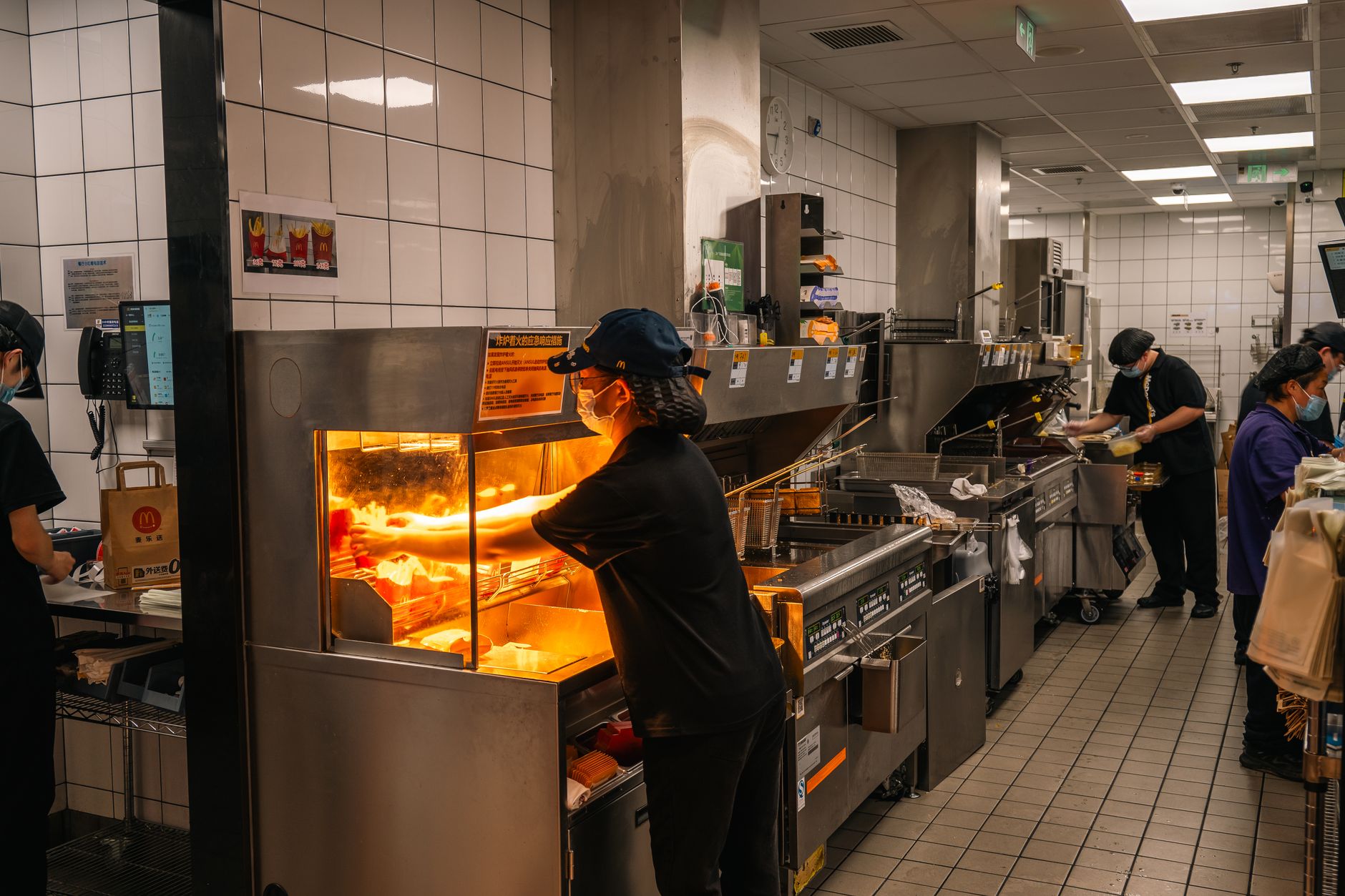
A short order cook is a culinary professional who specializes in quickly preparing food items, often working in diners or casual restaurants. Their ability to work efficiently under pressure while serving multiple orders in a short time is vital for fast-paced dining environments.
Short order cooks prepare a variety of dishes, such as eggs, burgers, sandwiches, and breakfast items. This article will explore the role of a short order cook, including essential skills, steps to becoming one, and tips for efficient food preparation and service.
What Is a Short Order Cook?
A short order cook is a kitchen professional focused on preparing food quickly and efficiently in environments with high order volumes. They typically work in small diner-style restaurants or cafes, where they are responsible for cooking various items on the menu.
This role requires a balance of speed, accuracy, and culinary knowledge. Short order cooks play a crucial part in ensuring that guests receive their meals quickly while maintaining a consistent quality of food.
The Responsibilities of a Short Order Cook
The responsibilities of a short order cook can be varied but generally include:
- Preparing and cooking food items according to standardized recipes.
- Maintaining the cleanliness of the kitchen and food preparation areas.
- Ensuring food safety and sanitation standards are met.
- Interacting with waitstaff to manage orders and track progress.
- Managing inventory by keeping track of supplies and reporting shortages.
- Tasting food and adjusting seasonings and presentations.
Essential Skills for a Short Order Cook
To excel as a short order cook, certain skills are important:
- Speed and Efficiency: The ability to work quickly without compromising quality is crucial.
- Culinary Skills: Knowledge of cooking techniques and recipes is necessary. Familiarity with frying, grilling, and sautéing is especially beneficial.
- Multitasking: The ability to handle multiple orders at once while prioritizing tasks is essential.
- Communication: Clear communication with staff and management helps operations run smoothly.
- Attention to Detail: Ensuring that each dish meets standards in taste and presentation is important.
How to Become a Short Order Cook
Becoming a short order cook typically involves a combination of education, experience, and training. Here’s a step-by-step guide:
- Start with Basic Cooking Skills: Familiarize yourself with basic cooking techniques and food safety protocols. Consider taking a culinary course or attending a cooking school to gain foundational knowledge.
- Gain Experience: Look for positions in fast-paced restaurant environments. Working as a prep cook or line cook can provide valuable experience.
- Practice Time Management: Develop the ability to manage your time efficiently. Practice preparing meals in a limited timeframe to hone your skills.
- Master the Menu: Familiarize yourself with a restaurant’s menu, focusing on the details of each dish and how they are prepared.
- Build Communication Skills: Enhance your communication skills, as working closely with other kitchen staff and servers is crucial.
- Stay Adaptable: Being able to adapt to new menu items and changes in orders will help you thrive in a short order cooking environment.
Cooking Techniques for a Short Order Cook
Short order cooks utilize various cooking techniques to prepare food quickly. Here are some common methods:
Grilling
Grilling is a popular technique for cooking burgers, sandwiches, and vegetables. A short order cook should be familiar with different grill temperatures and how to manage multiple items at once.
Frying
Frying is often used for items like eggs, bacon, and French fries. Mastering timing is crucial to prevent overcooking or burn.
Sautéing
Sautéing involves cooking food quickly in a small amount of oil. This method is great for preparing dishes like stir-fries or pasta sauces.
Broiling
Broiling uses high, direct heat from above to cook food quickly, making it ideal for meats and vegetables that need a nice char.
Efficiency Tips for Short Order Cooks
Efficiency is imperative as a short order cook. Here are some tips to help maximize productivity:
- Organize Your Workspace: Keep your station neat with all tools and ingredients within reach to minimize time spent looking for items.
- Prep Ingredients Ahead: Prepping items in advance, such as chopping vegetables or marinating proteins, saves time during busy service.
- Use a Timer: Using timers can help keep track of cooking times, especially when managing multiple orders simultaneously.
- Prioritize Orders: Learn to identify which dishes take longer and manage those orders first.
- Practice Mise en Place: This French culinary phrase means ‘everything in its place’ and emphasizes the importance of preparing and organizing ingredients before cooking.
Common Mistakes to Avoid
Short order cooks face many challenges, and being aware of common mistakes can help improve performance:
- Neglecting Food Safety: Always prioritize food safety to prevent contamination and ensure customer health.
- Overcooking Food: Pay close attention to cooking times and temperatures to avoid overcooking and prevent food waste.
- Failing to Communicate: Clear communication is vital—misunderstandings can lead to incorrect orders and customer dissatisfaction.
- Lack of Organization: A cluttered workspace can slow you down. Keep tools and ingredients well-organized.
- Ignoring Customer Feedback: Listening to feedback can help you refine your skills and address any issues with food preparation.
Serving Tips for Short Order Cooks
Once the food is prepared, serving it properly is equally important. Here are some tips for effective serving:
- Plate Presentation: Ensure that dishes are presented attractively before handing them to servers or customers.
- Double-Check Orders: Before handing off an order, verify that all items are included and correctly prepared to avoid mistakes.
- Efficiency with Timing: Ensure that food is served quickly to keep it fresh, especially dishes that are best enjoyed hot.
- Stay Attentive: Be prepared to address any additional needs, such as extra condiments or sides, to enhance the dining experience.
Making a Career as a Short Order Cook
For those interested in making a career as a short order cook, there are a few additional considerations:
- Continuing Education: Enroll in workshops and culinary classes to expand your skills and keep up with industry trends.
- Networking: Building relationships with other culinary professionals can provide opportunities for advancement and learning.
- Specialization: Consider specializing in specific cuisines or cooking techniques to differentiate yourself in the job market.
- Seek Feedback: Regularly seek feedback from peers and management to improve your skills and performance.
Conclusion
A short order cook plays a vital role in the success of fast-paced dining establishments by preparing and serving food quickly and efficiently. Essential skills such as speed, culinary knowledge, and communication are critical for excelling in this profession.
By understanding the responsibilities, mastering cooking techniques, and implementing efficient practices, aspiring cooks can thrive in this dynamic role. Whether looking for a part-time job or a long-term career, short order cooking can be a rewarding culinary path.
Explore more culinary tips and techniques in related articles on food preparation and cooking techniques. Try checking out how to smoke chicken thighs or understanding the optimal temperature for cooking meatloaf.