
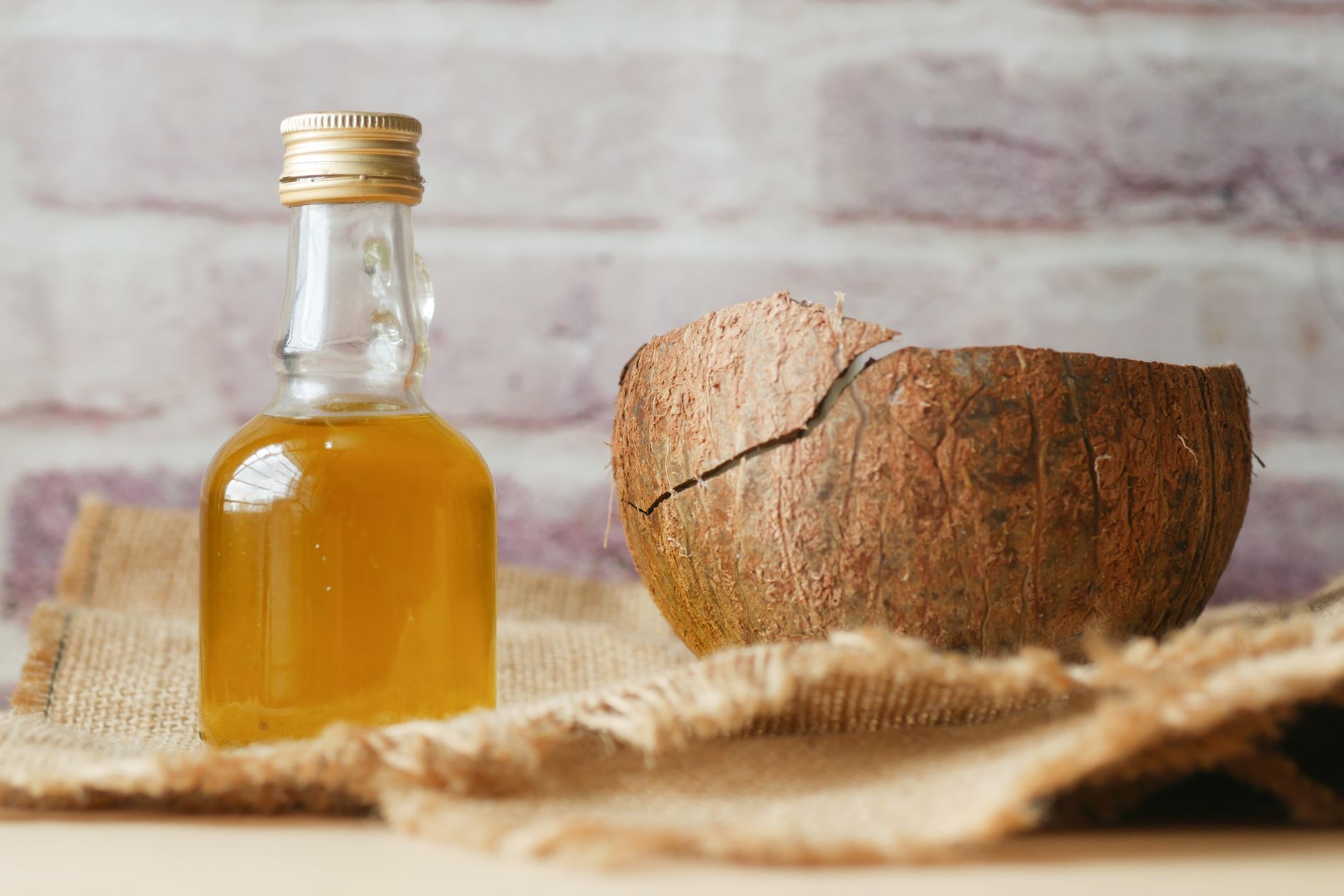
Coconut oil has gained significant popularity in recent years, especially among health-conscious consumers and culinary enthusiasts. A common question that arises is whether coconut oil has a high smoke point and how that affects its use in cooking. Understanding smoke points is essential for selecting the right oils for various cooking methods.
This article will delve into the properties of coconut oil, specifically its smoke point, and offer practical cooking and serving tips to enhance your culinary experience with this versatile ingredient. By the end, you’ll have a clearer understanding of when and how to use coconut oil effectively.
Is Coconut Oil High Smoke Point?
Coconut oil does have a relatively high smoke point, typically ranging from 350°F to 375°F (177°C to 191°C) depending on its refinement level. Refined coconut oil has a higher smoke point compared to unrefined or virgin coconut oil, making it more suitable for high-heat cooking methods such as frying and sautéing.
Understanding Smoke Points: What They Are and Why They Matter
The smoke point of an oil is the temperature at which it begins to smoke and break down, producing harmful compounds and an undesirable flavor. Cooking with oils beyond their smoke point can result in burnt food and the formation of free radicals, which could potentially affect health.
Choosing oils with appropriate smoke points for various cooking techniques—such as frying, baking, or drizzling—is crucial for both flavor and health considerations. Here’s a brief overview of some common cooking methods and their associated temperature ranges:
- Sautéing: 300°F to 400°F (149°C to 204°C)
- Pan-frying: 350°F to 450°F (177°C to 232°C)
- Baking: 325°F to 375°F (163°C to 191°C)
- Deep frying: 350°F to 375°F (177°C to 191°C)
Types of Coconut Oil and Their Smoke Points
There are primarily two types of coconut oil—refined and unrefined—and both differ in their smoke points and culinary applications.
Unrefined Coconut Oil
Unrefined coconut oil, also known as virgin coconut oil, is extracted from fresh coconut meat without the use of chemicals or high heat. This oil retains the natural flavor and aroma of coconuts, making it ideal for recipes where coconut flavor is desired.
Its smoke point is around 350°F (177°C), which is suitable for low to medium-heat cooking but may limit its use for high-temperature methods.
Refined Coconut Oil
Refined coconut oil is produced from dried coconut meat (copra) and undergoes processing to remove impurities and neutralize flavors. This results in a higher smoke point of approximately 400°F (204°C), making refined coconut oil excellent for frying, baking, and sautéing.
Cooking with Coconut Oil: Practical Tips
Now that you understand the smoke points of coconut oil, let’s explore some practical cooking and serving tips to maximize its flavor and versatility.
Frying with Coconut Oil
Due to its high smoke point, refined coconut oil is a great option for frying. When using coconut oil for frying, consider the following:
- Temperature Monitoring: Use a cooking thermometer to ensure you maintain an ideal frying temperature, ideally around 360°F (182°C).
- Flavor Profile: If you prefer a more coconutty flavor, consider combining unrefined and refined coconut oil while frying.
- Oil Reuse: After frying, strain the oil and store it in an airtight container to reuse it for future frying, but limit the number of times you reuse the oil for best results.
Baking with Coconut Oil
Coconut oil can replace butter or other oils in baking recipes. Here are tips for baking with coconut oil:
- Temperature Consideration: If a recipe calls for softened butter, ensure your coconut oil is at a similar temperature (softened, not melted) before mixing to achieve the desired texture.
- Substituting Coconut Oil: Replace butter at a 1:1 ratio with melted coconut oil. If using it to replace another type of oil, use the same ratio as well.
Flavor and Pairing of Coconut Oil
Coconut oil bears a unique flavor and aroma, especially in its unrefined form. This can greatly influence the overall taste of your dishes. Here are some culinary pairings and uses for coconut oil:
Pairing with Ingredients
Coconut oil complements a variety of ingredients, making it versatile for different cuisines. Here are a few pairings:
- Baking: Works well with chocolate, banana, and spices such as cinnamon and nutmeg.
- Stir-Fries: Pairs beautifully with vegetables, protein sources such as chicken or tofu, and Asian-inspired seasonings like soy sauce and ginger.
- Smoothies: Adds a rich mouthfeel and flavor when blended into smoothies, especially combined with tropical fruits like pineapple and mango.
Drizzling and Serving Suggestions
Coconut oil is flavorful in its unrefined state and can be used as a finishing oil. Try these serving suggestions:
- Drizzling: Drizzle unrefined coconut oil on popcorn or roasted vegetables for extra flavor.
- Condiment Compatibilities: Pair coconut oil with lime juice and herbs for salad dressings or marinades.
Common Mistakes to Avoid When Using Coconut Oil
While cooking with coconut oil can be straightforward, there are pitfalls to watch out for:
- Burning the Oil: Always monitor the oil’s temperature, and never let it exceed its smoke point. If it does start to smoke, discard it.
- Poor Quality Choices: Not all coconut oils are created equal. Opt for organic, cold-pressed virgin coconut oil for the best flavor and health benefits.
Storage and Shelf Life of Coconut Oil
Coconut oil has a long shelf life due to its high saturated fat content, which makes it resistant to rancidity. However, proper storage is still important to maintain its quality:
- Storage Location: Store coconut oil in a cool, dark place, such as a pantry, and ensure it’s in a tightly sealed container.
- Signs of Spoilage: If the oil develops an off-odor, rancid taste, or a strange color, it’s time to discard it.
Conclusion
Coconut oil can be a valuable addition to your cooking oil repertoire. Its relatively high smoke point, particularly in refined varieties, makes it suitable for various cooking methods while adding a unique flavor profile. By understanding the types of coconut oil available and knowing how to use them correctly, you can elevate your culinary creations.
To expand on your culinary skills, consider exploring recipes like chia pudding using coconut milk or a refreshing coconut margarita. These recipes will not only make use of coconut’s unique flavor but also showcase the versatility of this remarkable oil. Discover the delightful chia pudding recipe or try a coconut margarita for a taste of tropical indulgence.