
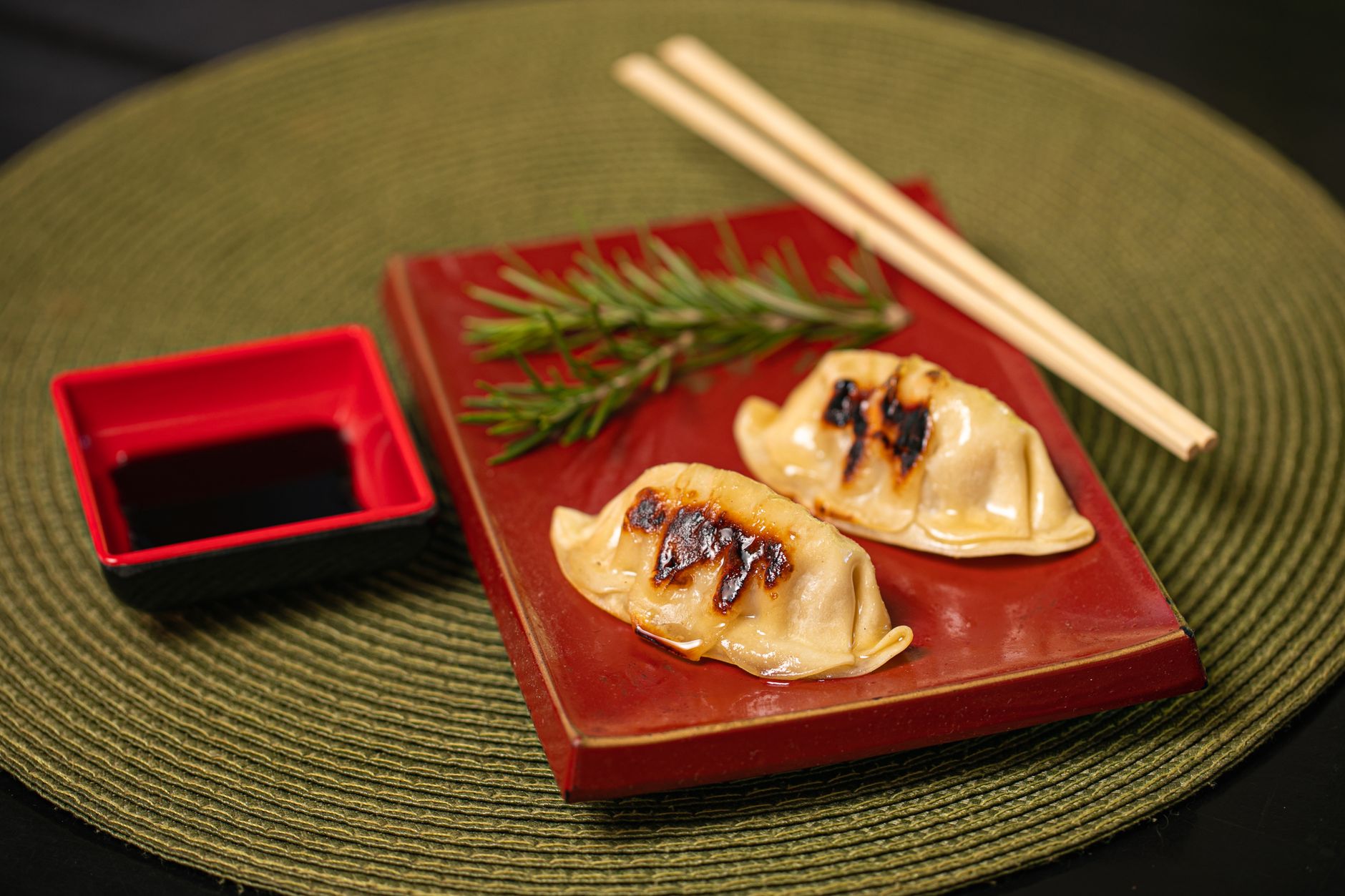
Japanese dumplings, known as gyōza, are a delightful and versatile dish that can be prepared either by frying or steaming. They offer a satisfying aroma, crispy texture when fried, and a tender, juicy bite when steamed. With their flavorful fillings, gyōza are perfect for various meals, whether as an appetizer, a side dish, or even a main course.
This comprehensive guide will explore everything you need to know about Japanese dumplings, including delicious filling options, cooking techniques, ingredient substitutions, and meal-planning tips. Whether you’re new to gyōza or looking to refine your skills, this guide will set you up for success.
What Are Japanese Dumplings That Can Be Fried or Steamed?
Japanese dumplings, commonly referred to as gyōza, are typically made with thin wrappers filled with a mix of finely chopped ingredients, often including pork and vegetables. They can be cooked in two primary ways: frying, which results in a crispy exterior, or steaming, which brings out a softer texture.
The balance of flavors and textures in gyōza makes them an appealing choice for many. Their adaptable nature allows for a variety of fillings, accommodating different tastes and dietary restrictions. Additionally, the ability to fry or steam them adds to their culinary versatility.
Common Fillings for Japanese Dumplings
When it comes to filling your gyōza, the choices are abundant. Here are some common fillings used in Japanese dumplings:
- Pork: Ground pork is the most traditional filling. It’s generally mixed with aromatics and finely chopped vegetables.
- Chicken: Ground chicken can be a lighter alternative to pork, providing a subtle flavor.
- Tofu: For a vegetarian or vegan option, firm tofu works well with various vegetables and seasonings.
- Vegetables: Common vegetables include cabbage, green onions, carrots, and mushrooms, often sautéed before being added to the filling.
- Seafood: Shrimp or fish can elevate gyōza, bringing a different texture and taste.
Essential Ingredients for Gyōza
Before diving into making gyōza, it’s advisable to gather the essential ingredients. Here’s a breakdown of what you will need:
- Gyōza wrappers: Widely available at Asian grocery stores, they come in different sizes.
- Protein: Ground pork or chicken are popular, but feel free to mix in tofu or seafood for alternatives.
- Vegetables: Finely chopped cabbage, garlic, ginger, green onions, and carrots.
- Seasonings: Soy sauce, sesame oil, salt, and pepper are integral for adding flavor.
Cooking Techniques: Frying vs. Steaming
The two primary methods of cooking gyōza are frying and steaming, each offering a distinct taste and texture. Here’s how to approach both techniques:
Frying Gyōza
Frying gyōza creates a crispy crust that contrasts beautifully with the tender filling. Here’s a step-by-step guide on how to fry gyōza properly:
- Heat a non-stick skillet over medium heat and add a tablespoon of oil.
- Once the oil is hot, place the gyōza in the skillet, ensuring they are not overcrowded. Cook until the bottom is golden brown, about 2-3 minutes.
- Add a splash of water (about 1/4 cup) to the skillet and cover immediately to steam the dumplings.
- Steam for about 5-7 minutes or until the water has evaporated and the gyōza are fully cooked.
- Remove the lid and allow any remaining moisture to evaporate for an additional minute. Serve hot!
Steaming Gyōza
Steamed gyōza retain more moisture and feature a tender skin. Follow these steps to steam your dumplings:
- Set up a bamboo steamer or a steaming rack over simmering water in a pot.
- Line the steamer with cabbage leaves or parchment paper to prevent sticking.
- Place the gyōza in a single layer, ensuring they are not in contact with one another.
- Cover and steam for 8-10 minutes or until the wrappers are translucent and the filling is cooked through.
- Remove from the steamer and serve hot.
A Step-by-Step Gyōza Recipe
Now that you understand the techniques, let’s put it all together with a simple recipe. Here is a traditional gyōza recipe that includes both frying and steaming methods.
Yield: Approximately 30 dumplings
Preparation time: 30 minutes
Cooking time: 10 minutes for frying or 10 minutes for steaming
Total time: 50 minutes
Ingredients
- 1 pound ground pork
- 1 cup finely chopped cabbage
- 2 green onions, finely chopped
- 1 tablespoon ginger, minced
- 2 cloves garlic, minced
- 1 tablespoon soy sauce
- 1 teaspoon sesame oil
- 1 package gyōza wrappers (approximately 30)
- Salt and pepper to taste
- Vegetable oil for frying
- Water for steaming
Instructions
- In a large bowl, combine the ground pork, chopped cabbage, green onions, ginger, garlic, soy sauce, sesame oil, salt, and pepper.
- Mix well until fully combined.
- Take a gyōza wrapper and spoon about 1 tablespoon of filling into the center. Wet the edges with water.
- Fold the wrapper over to create a half-moon shape, pinching the edges to seal tightly. You can pleat the edges for a decorative touch.
- Repeat until all wrappers are filled.
- For frying, heat vegetable oil in a skillet and follow the frying instructions above.
- For steaming, arrange the gyōza in the steamer and follow the steaming instructions.
- Serve your gyōza hot with soy sauce or a dipping sauce of your choice.
Common Mistakes When Making Gyōza
While making gyōza can be straightforward, there are common pitfalls to avoid for the best results.
- Overfilling: Adding too much filling can make sealing difficult and may cause the dumplings to burst during cooking.
- Improper sealing: Ensure that the edges are sealed tightly; otherwise, the filling can leak out during cooking.
- Wrong cooking temperature: For frying, ensure that the oil is hot before adding the gyōza to achieve that crispy bottom.
- Overcrowding the skillet/steamer: Cooking too many at once can lead to uneven cooking and sogginess.
Ingredient Substitutions and Variations
If you are looking to customize your gyōza, numerous substitutions can be made based on dietary needs or ingredient availability:
- Meat Alternatives: Use ground turkey, chicken, or a meatless substitute like lentils or mushrooms for a vegetarian version.
- Vegetable Variations: Experiment with shiitake mushrooms, spinach, or bean sprouts to add more variety to the filling.
- Gluten-Free Options: Look for gluten-free gyōza wrappers available at Asian markets, or make your own using gluten-free flour.
Meal Planning with Gyōza
Gyōza can be an excellent addition to your meal-planning arsenal. They are easy to batch-cook and freeze, making them suitable for quick meals throughout the week.
Batch Cooking
Prepare a large batch of gyōza filling and use wrappers to assemble as many as you’d like. You can freeze uncooked gyōza, separated by parchment paper in containers, making them easy to cook directly from frozen.
Serving Suggestions
Gyōza can be served with various sides and sauces:
- Dipping Sauces: A simple mixture of soy sauce, rice vinegar, and chili oil makes a classic dip. You might also consider a more elaborate peanut sauce for a twist.
- Accompaniments: Serve with a side of rice and steamed vegetables or a fresh salad for a balanced meal.
Storage and Reheating Gyōza
Leftover gyōza can be stored properly for future meals. Here’s how:
- Refrigerating: Cooked gyōza can be refrigerated in an airtight container for 3-4 days.
- Freezing: Uncooked gyōza should be frozen immediately after assembling. They can last in the freezer for up to three months.
When reheating, it’s best to reheat fried gyōza by pan-frying them again to restore their crispiness. Steam the frozen gyōza directly from the freezer for optimal texture, adding a couple of extra minutes if cooking from frozen.
Conclusion
Japanese dumplings offer a delightful culinary experience with their versatility, allowing for frying or steaming according to your preferences. Whether you choose the crispy or tender option, gyōza offer a flavorful way to explore Japanese cuisine at home.
Now that you’re equipped with the knowledge to make and enjoy gyōza, consider exploring related recipes, cooking tips, or food guides to further enhance your culinary repertoire. Try your hand at chicken and dumplings or discover a delicious cream cheese rangoon recipe to complement your dumpling-making adventures.