
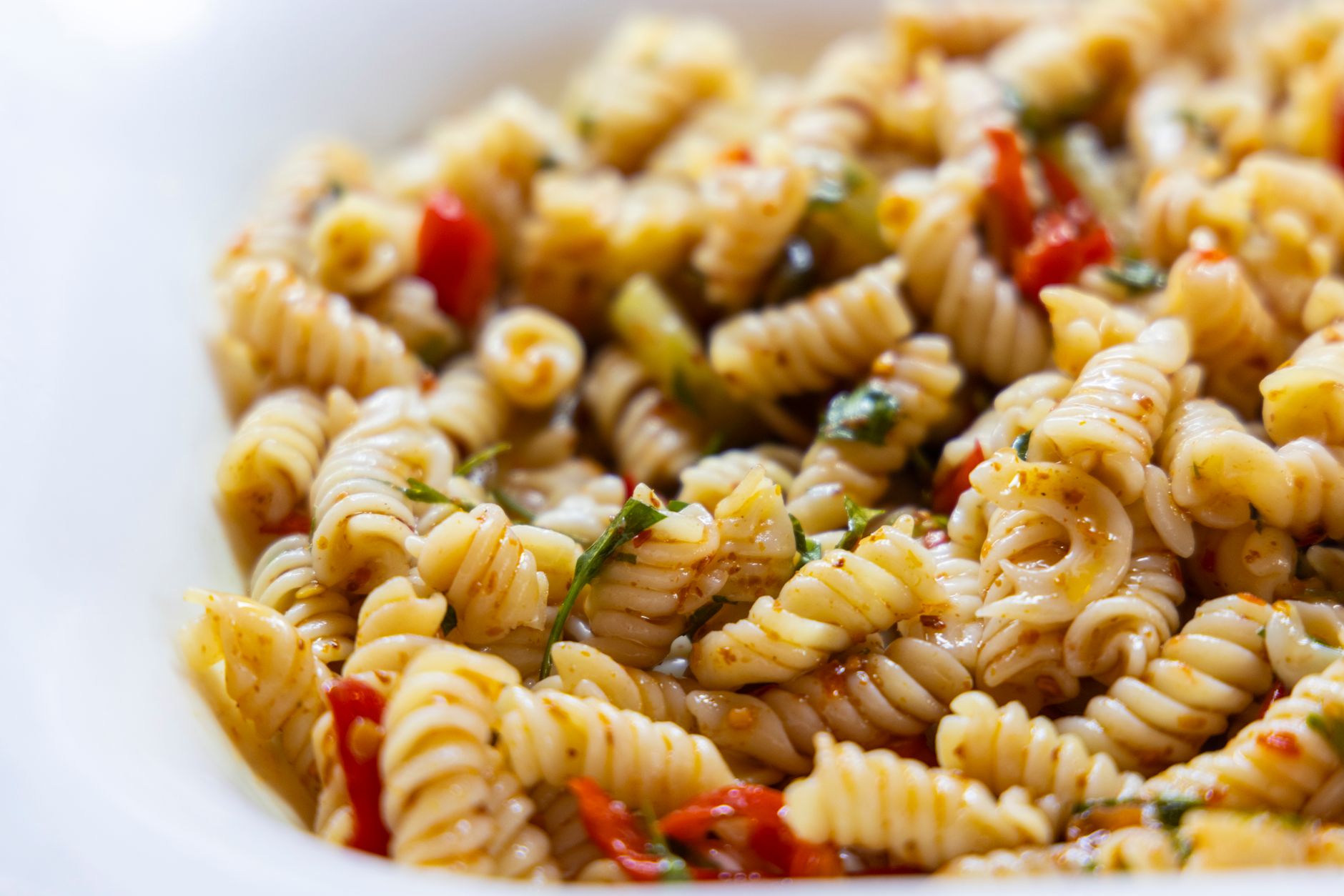
Contorni is an essential component of Italian cuisine, often culminating meals with vibrant flavors and complementary textures. These side dishes can elevate the main course, showcasing fresh ingredients and regional specialties.
This article will delve into the varieties of contorni, their ingredients, flavors, and the best ways to serve them. Understanding contorni will enhance your culinary repertoire and help you create authentic Italian meals.
What Is Contorni?
Contorni, translated as “side dishes,” refers to the accompaniment that usually highlights the main course in Italian dining. These dishes are typically vegetable-based and can range from simple preparations to more elaborate creations. Contorni share the table with main proteins, balancing and enhancing the overall meal experience.
Common Ingredients in Contorni
Contorni can include a wide range of ingredients, and their preparation often revolves around what’s seasonal and local. Here are some commonly found ingredients:
- Vegetables: Fresh and brightly colored vegetables are the heart of contorni. Common choices are zucchini, bell peppers, broccoli, carrots, asparagus, and artichokes.
- Herbs: Fresh herbs like basil, parsley, oregano, and thyme are frequently used to enhance flavor and add fragrance.
- Olive Oil: Extra virgin olive oil serves as a vital ingredient for sautéing, drizzling, or marinating, imparting rich flavors and healthy fats.
- Seasonings: Salt, pepper, garlic, and lemon juice are essential for seasoning and balancing flavors.
- Cheeses: Some contorni incorporate cheese, particularly regional varieties like Parmigiano-Reggiano and ricotta, adding creaminess and depth.
- Legumes and Grains: Pulses like beans or grains such as farro may also be included, contributing protein and heartiness.
Flavor Profiles of Contorni
Contorni often highlight the bright, seasonal flavors of fresh vegetables while presenting a delicate balance of savory, tangy, and sometimes sweet notes. Here are some typical flavor profiles:
- Fresh and Bright: Many contorni, such as a simple sautéed green bean dish, offer fresh, vibrant flavors accentuated with herbs and lemon juice.
- Earthy and Robust: Roasted root vegetables or grilled eggplant may showcase more robust flavors, emphasizing their natural sweetness through caramelization.
- Savory and Rich: Dishes featuring cheese or creamy sauces offer a richer flavor, often balancing larger or spiced main courses by adding creaminess.
- Tangy and Zesty: Contorni that incorporate vinegars, such as pickled vegetables, add an essential tang that brightens the overall meal.
Types of Contorni
There are various types of contorni that you might encounter, each with its unique preparation style and accompanying ingredients:
1. Vegetable-Based Contorni
This is the most common type of contorni, featuring seasonal vegetables prepared in simple yet flavorful ways. Vegetables can be steamed, sautéed, roasted, or grilled.
- Example: Sautéed Spinach with Garlic – Fresh spinach is quickly sautéed in olive oil with garlic, offering a vibrant and nutritious side.
2. Salad Contorni
Italian salads vary widely in terms of ingredients and preparations. They can serve as refreshing counterparts to rich main courses.
- Example: Tomato and Cucumber Salad – A refreshing combination dressed simply with olive oil, balsamic vinegar, and herbs.
3. Pasta Contorni
Although pasta is typically a main dish, there are pasta-based contorni that can complement a meat course.
- Example: Pasta Salad with Olives and Peppers – A cold pasta dish that adds flavor and texture alongside grilled meats.
4. Legume Contorni
Pulses such as beans or lentils can be incorporated into contorni, providing added texture and protein.
- Example: Braised Lentils – Lentils cooked with herbs and vegetables create a hearty side that pairs well with meat dishes.
5. Potato Contorni
Potatoes are a staple in many Italian meals, often prepared in various forms.
- Example: Roasted Potatoes with Rosemary – Crispy, seasoned potatoes provide a comforting, flavorful side.
How to Serve Contorni
Serving contorni properly can enhance the dining experience. Here are key aspects to consider:
1. Placement on the Table
Contorni are typically placed alongside the main dish on the table. This allows guests to serve themselves and customize their plates according to preference.
2. Serving Style
Contorni can be served family-style in communal bowls for guests to help themselves, or plated individually with precision to highlight presentation.
3. Temperature
Consider the appropriate serving temperature. Most vegetable contorni can be served warm or at room temperature, while salads are best served chilled.
4. Pairing with Main Dishes
When choosing contorni to accompany main dishes, aim for a balance of flavors and textures. For example:
- Rich meats like lamb or duck pair well with bright, acidic contorni like a citrus salad.
- Grilled meats benefit from hearty contorni such as roasted root vegetables.
Practical Tips for Preparing Contorni
Below are some helpful tips to consider when making contorni:
- Use Seasonal Ingredients: Always aim for the freshest ingredients that are in season to ensure maximum flavor and nutrition.
- Season Wisely: Season your vegetables and salads well, keeping the balance in mind. Taste as you go to avoid over-seasoning.
- Experiment with Textures: Mix textures such as crisp salads with creamy dressings or sautéed vegetables against roasted ones for a well-rounded dish.
Common Mistakes to Avoid
Here are some common mistakes when preparing contorni, along with troubleshooting tips:
- Overcooking Vegetables: This can result in a mushy texture. Always check for doneness early, and aim for a crisp-tender texture.
- Inadequate Seasoning: A bland contorni will fail to complement the main dish. Don’t be afraid to season generously but taste first.
- Neglecting Presentation: Visual appeal matters. Aim for colorful, well-arranged dishes that invite diners to try them.
Make-Ahead Guidance
Contorni often allow for make-ahead preparation, especially those that are served cold or at room temperature. Here are some guidelines:
- Chilled Salads: These can often be prepared in advance, mixed just before serving, and dressed at the last minute to maintain freshness.
- Roasted Veggies: These can be roasted and stored in the refrigerator, reheating them quickly before serving.
Storage and Reheating Tips
Proper storage and reheating are crucial to maintaining quality in contorni:
- Chilled and Cooked: Most vegetable contorni can last in the refrigerator for up to three days. Ensure they are stored in airtight containers.
- Reheating: Reheat in a skillet over medium heat or in the oven at 350°F (175°C) until heated through. Avoid microwaving unless necessary, as this can compromise texture.
Examples of Classic Contorni Recipes
Here’s a collection of delicious contorni recipes that may inspire your next meal:
1. Roasted Mediterranean Vegetables
This dish showcases seasonal vegetables roasted until softly caramelized, offering rich flavors that accompany any main course.
Ingredients:
- 1 zucchini, sliced
- 1 red bell pepper, chopped
- 1 eggplant, cubed
- 1 onion, cut into wedges
- 3 tablespoons extra virgin olive oil
- Salt and pepper to taste
- Fresh herbs (rosemary or thyme)
Method:
- Preheat the oven to 425°F (220°C).
- In a large bowl, combine all vegetables, olive oil, salt, and pepper.
- Spread the mixture onto a baking sheet in a single layer.
- Roast for 25–30 minutes, stirring halfway, until vegetables are tender and slightly charred.
- Garnish with fresh herbs and serve warm.
2. Sautéed Green Beans with Garlic
A quick and easy side that adds vibrant color and flavor to your plate.
Ingredients:
- 1 pound fresh green beans, trimmed
- 3 cloves garlic, minced
- 2 tablespoons olive oil
- 1 teaspoon salt
- 1 teaspoon lemon juice
Method:
- Heat olive oil in a pan over medium heat.
- Add the minced garlic and sauté for 30 seconds.
- Add green beans, salt, and sauté for 5–7 minutes until tender-crisp.
- Finish with a squeeze of lemon juice and serve.
Final Thoughts
Contorni are an integral part of Italian meals, introducing vibrant flavors and textures to the dining experience. Exploring various contorni can enhance your meal and showcase seasonal produce.
For further inspiration, consider exploring recipes such as this Cobb Salad or learn what to serve with stuffed peppers to accompany your next culinary adventure.