
When you reach for that packet of yeast in your pantry, only to discover it’s past its expiration date, you might wonder if it’s still good to use. The good news is that expired yeast can often still be viable for baking and cooking, provided you check its potency first. In this guide, we’ll discuss how to test expired yeast, creative uses for it, and recipes that make the most of your yeast experience.
Yeast is a key ingredient in many baked goods, playing a vital role in fermentation and leavening. Understanding how to use expired yeast can help reduce food waste and allow you to continue baking without having to run to the store.
Can You Use Expired Yeast?
Yes, you can use expired yeast, but with caution. Expired yeast does not become harmful or toxic; rather, it may simply lose its effectiveness. This means that while you can still bake with it, the results may be less than perfect. To ensure your expired yeast will do its job, it’s important to test its potency before using it in recipes.
How to Test Expired Yeast
Testing the potency of expired yeast is a simple but essential step. Here’s how you can do it:
- Gather Supplies: You will need your expired yeast, warm water (about 100°F to 110°F), and a pinch of sugar.
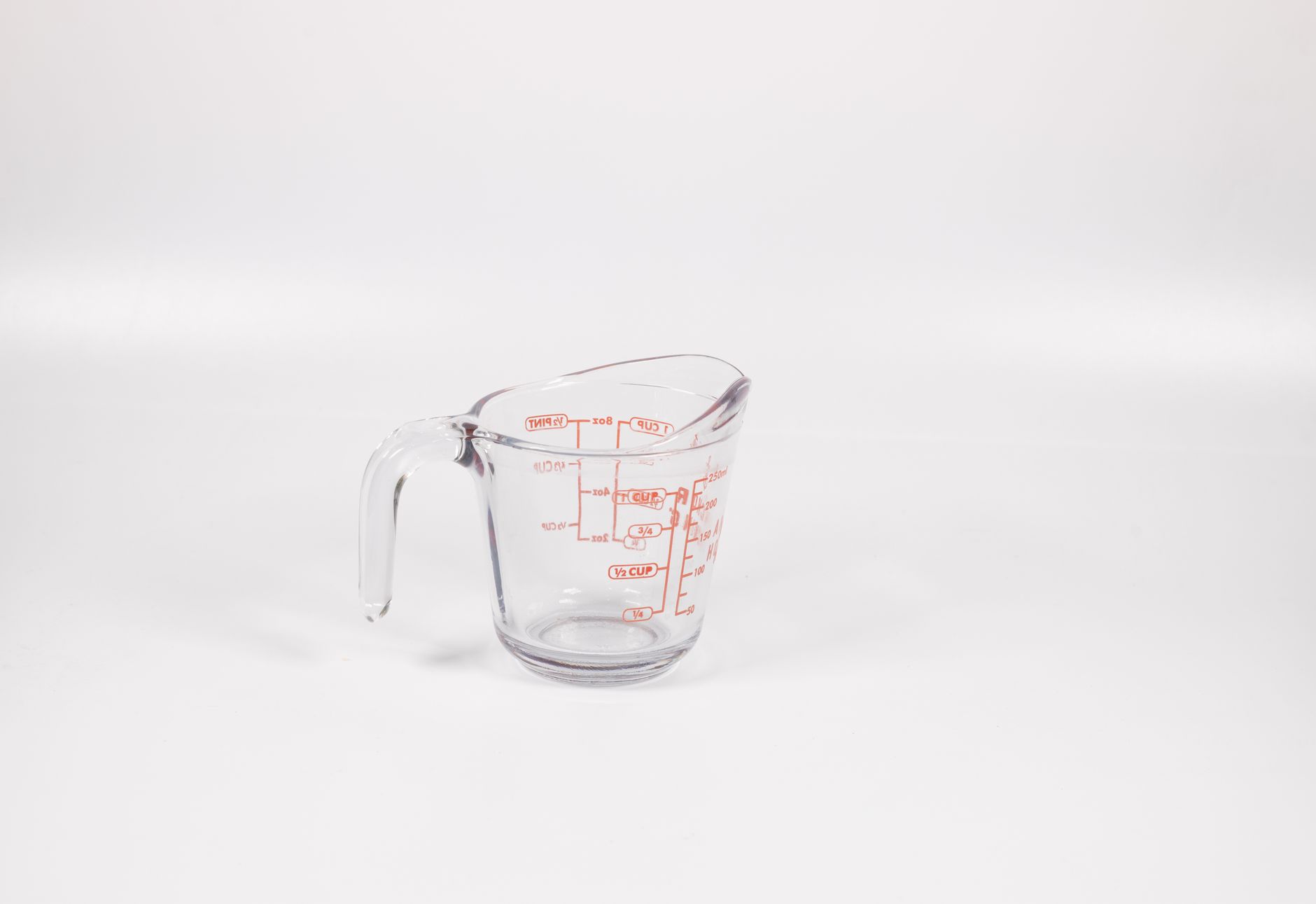
- Mix: In a small bowl, combine 1 teaspoon of yeast, 1 teaspoon of sugar, and 1/4 cup of warm water.
- Wait: Allow the mixture to sit for about 5-10 minutes. During this time, look for bubbling or froth formation.
- Check for Activity: If the mixture bubbles up and expands, your yeast is still good to use. If not, it’s best to discard it and purchase new yeast.
What to Expect from Expired Yeast
Expired yeast will vary in effectiveness based on how long it has been past the expiration date. Here is what you might expect:
- Up to a Month Past Expiration: Most likely still active. Testing is recommended.
- One to Three Months Past Expiration: May work, but results can be unpredictable. Testing is essential.
- More Than Three Months Past Expiration: Generally considered inactive. Best to replace.
Creative Kitchen Uses for Expired Yeast
If your expired yeast is no longer viable for baking, there are still creative uses for it in the kitchen:
1. Homemade Fertilizer
Yeast contains nutrients that can benefit your garden. You can use expired yeast as a natural fertilizer by dissolving it in water and watering your plants with the mixture. Just ensure it’s diluted enough not to shock the plants.
2. Feed Your Compost
Activating the microbial activity in compost can be achieved by adding a small amount of expired yeast. Mix it well with your compost materials to enhance decomposition.
3. DIY Skincare
Some people use yeast in skincare routines for its potential to help with skin health. Mixing it with yogurt or honey can create a nourishing facial mask. Always patch test to avoid skin irritations.
Recipes for Using Yeast
If your expired yeast tests positive, it’s time to get creative in the kitchen. Here are three recipes that are perfect for showcasing your revived yeast.
Homemade Pizza Dough
This recipe yields enough dough for two medium pizzas, ideal for family movie nights or quiet evenings in.
- Yield: 2 medium pizzas
- Preparation Time: 15 minutes
- Resting Time: 1 hour (for rising)
- Cooking Time: 15-20 minutes
- Total Time: 1 hour 30 minutes
Ingredients
- 2 1/4 teaspoons (1 packet) active dry yeast
- 1 1/2 cups warm water (100°F to 110°F)
- 3 1/2 to 4 cups all-purpose flour
- 2 tablespoons olive oil
- 1 teaspoon salt
- 1 teaspoon sugar
Equipment
- Large mixing bowl
- Measuring cups and spoons
- Wooden spoon or dough hook
- Plastic wrap or kitchen towel
- Baking sheet or pizza stone
Method
- In a large bowl, dissolve the sugar and yeast in warm water. Let it sit until frothy, about 5-10 minutes.
- Add 2 cups of flour, olive oil, and salt to the yeast mixture. Stir to combine.
- Add additional flour, 1/2 cup at a time, until the dough comes together and is no longer sticky.
- Knead on a floured surface for about 5-7 minutes until smooth and elastic.
- Place the dough in a greased bowl, cover with plastic wrap or a kitchen towel, and let it rise in a warm place until doubled in size, about 1 hour.
- Preheat your oven to 475°F (245°C). Roll out the dough on a floured surface to your desired thickness.
- Add your favorite toppings and bake for 15-20 minutes until the crust is golden and the cheese is bubbly.
Classic Homemade Bread
Nothing beats the smell of fresh bread baking in your home. This simple recipe yields one loaf of delicious homemade bread.
- Yield: 1 loaf
- Preparation Time: 15 minutes
- Resting Time: 1 hour (for rising)
- Cooking Time: 30-35 minutes
- Total Time: 1 hour 50 minutes
Ingredients
- 2 1/4 teaspoons (1 packet) active dry yeast
- 1 cup warm water (100°F to 110°F)
- 2 tablespoons sugar
- 3 cups all-purpose flour
- 1 teaspoon salt
- 2 tablespoons butter, melted
Equipment
- Large mixing bowl
- Measuring cups and spoons
- Loaf pan
- Plastic wrap or kitchen towel
Method
- Dissolve the sugar and yeast in warm water in a mixing bowl. Let it sit until frothy, about 5-10 minutes.
- Add salt, melted butter, and 2 cups of flour to the yeast mixture. Stir until combined.
- Add the remaining flour gradually, mixing until a soft dough forms.
- Knead the dough on a floured surface for about 5-7 minutes until smooth.
- Place dough in a greased bowl, cover, and let it rise in a warm place until doubled, about 1 hour.
- Preheat the oven to 375°F (190°C) and shape dough into a loaf. Place it in the greased loaf pan.
- Let the dough rest for another 30 minutes. Bake for 30-35 minutes until golden brown.
Fluffy Cinnamon Rolls
These cinnamon rolls make for a delightful breakfast or a sweet treat any time of day.
- Yield: 12 rolls
- Preparation Time: 20 minutes
- Resting Time: 1 hour (for rising)
- Cooking Time: 20-25 minutes
- Total Time: 1 hour 45 minutes
Ingredients
- 2 1/4 teaspoons active dry yeast
- 1 cup warm milk (100°F to 110°F)
- 1/3 cup sugar
- 1/3 cup melted butter
- 1 teaspoon salt
- 3-4 cups all-purpose flour
- 1 tablespoon cinnamon
- 1/2 cup brown sugar
- Additional melted butter for topping
- 1 cup icing sugar (for frosting)
- 2-3 tablespoons milk (for frosting)
Equipment
- Large mixing bowl
- Measuring cups and spoons
- Rolling pin
- Baking dish
- Plastic wrap or kitchen towel
Method
- In a bowl, dissolve the sugar and yeast in warm milk. Allow it to sit until frothy, about 5-10 minutes.
- Add melted butter, salt, and 2 cups of flour to the mixture, stirring to combine.
- Add enough additional flour to form a soft dough. Knead on a floured surface for about 5-7 minutes.
- Place the dough into a greased bowl, cover, and let it rise until doubled, about 1 hour.
- Preheat the oven to 375°F (190°C). Roll the dough into a rectangle and spread melted butter over the surface.
- Sprinkle cinnamon and brown sugar evenly over the dough. Roll it tightly and slice into 12 rolls.
- Place the rolls in a greased baking dish and let them rise for another 30 minutes.
- Bake for 20-25 minutes until golden brown. For frosting, mix icing sugar with milk until smooth and drizzle over rolls.
Common Mistakes When Using Expired Yeast
When using expired yeast, there are some common pitfalls you should avoid:
- Not Testing: Always test your expired yeast. Using non-active yeast will lead to a disappointing bake.
- Wrong Water Temperature: Water that is too hot can kill yeast, while water that is too cold will not activate it. Stick to warm water around 100°F to 110°F.
- Overproofing: Letting dough rise for too long can cause it to collapse. Follow recommended rise times for the best outcomes.
Storage Tips for Yeast
To prolong the life of your yeast, consider the following storage tips:
- Keep it Cool: Store unopened yeast packets in a cool, dry place such as the refrigerator or freezer to extend shelf life.
- Seal It: After opening, ensure the yeast is stored in an airtight container to prevent moisture entry.
- Check the Date: Always look for expiration dates and consider testing yeast shortly before the expiration.
Make-Ahead Guidance
If you plan to use yeast in a recipe, consider these make-ahead tips:
- For pizza or bread dough, you can refrigerate the dough after the first rise and bake it the next day. Just punch it down and shape it before baking.
- Cinnamon rolls can be made the day before and stored in the fridge. Allow them to come to room temperature and rise before baking.
- Pre-measure your ingredients and store them in labeled containers for a smoother baking experience.
Using expired yeast can seem daunting, but with a little knowledge and creativity, you can still whip up delicious baked goods or find alternative uses for the yeast. Testing its viability will ensure wonderful baking results while helping reduce food waste.
For a delightful treat, try your hand at our Homemade Pizza Dough, Classic Homemade Bread, or fluffy Cinnamon Rolls. Embrace the challenge of expired yeast and turn it into a tasty experience! Explore related recipes and cooking tips to expand your culinary skills.