
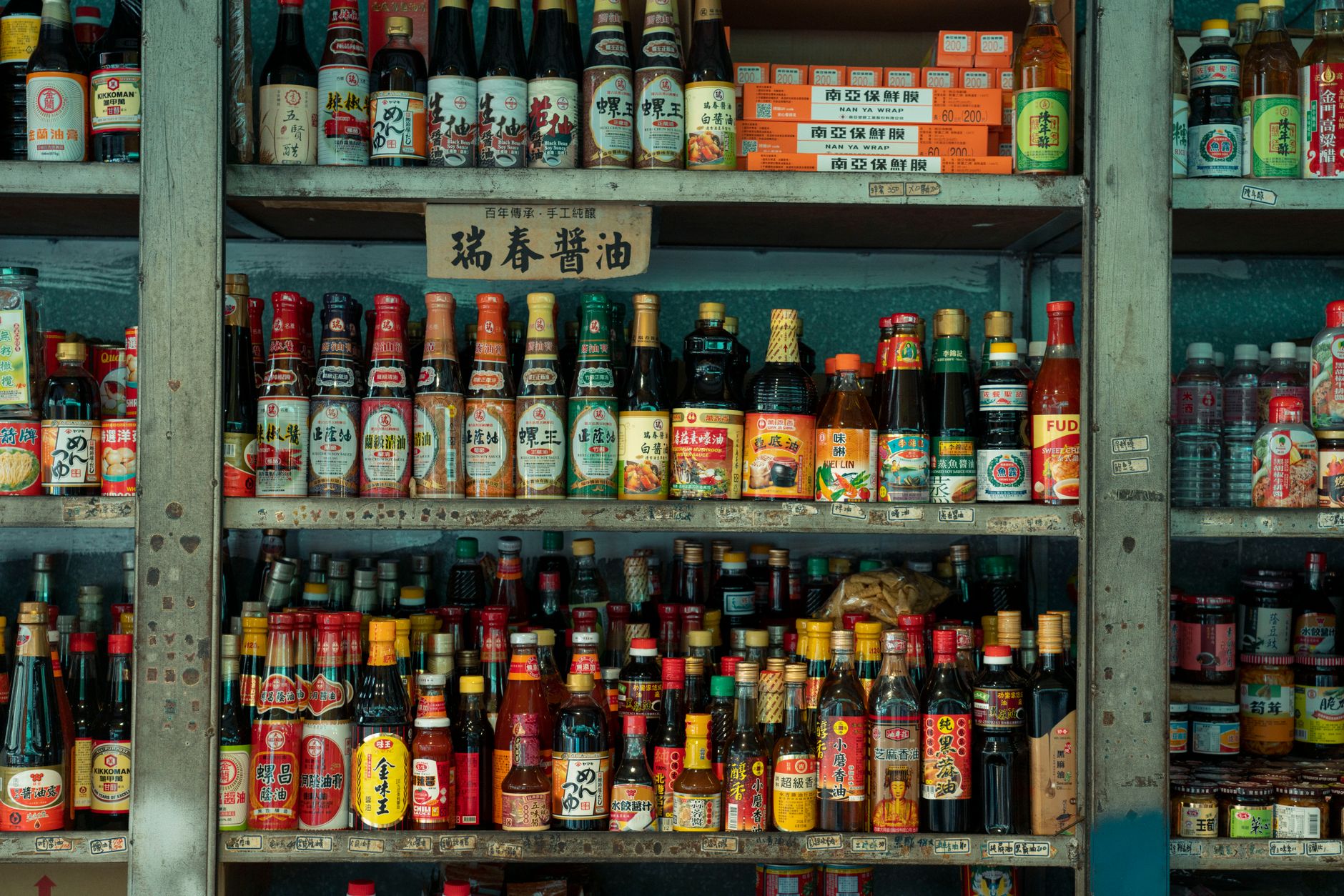
Soy sauce is a staple condiment in many cuisines, especially in Asian cooking. It adds a savory umami flavor to dishes, enhancing their overall taste and complexity. Understanding what’s in soy sauce can help you choose the right type for your meals and explore its diverse culinary uses.
This article delves into the ingredients that comprise soy sauce, its flavor profile, and various ways to incorporate it into your cooking. Whether you are a seasoned chef or a curious home cook, there is much to discover about this versatile condiment.
What Is in Soy Sauce?
Soy sauce is primarily made from fermented soybeans, wheat, salt, and water. The fermentation process gives soy sauce its distinctive flavor, while the balance of these ingredients results in various types and styles of soy sauce. This basic understanding of soy sauce’s composition is crucial for appreciating its flavor and culinary applications.
Primary Ingredients in Soy Sauce
Let’s take a closer look at the key ingredients that go into making soy sauce and their significance:
- Soybeans: The main ingredient, soybeans are rich in proteins and contribute to soy sauce’s savory taste.
- Wheat: Wheat is often included in traditional recipes, adding sweetness and depth to the sauce.
- Salt: Salt acts as a preservative and enhances flavor, balancing the sweetness and umami.
- Water: Water is used to dissolve the ingredients and facilitate fermentation.
- Koji spores: These spores come from a mold called Aspergillus oryzae, which is essential for fermentation. They break down starches in the grains into sugars.
Fermentation Process
The fermentation process is critical to developing the taste and aroma of soy sauce. Here’s an overview of how soy sauce is traditionally made:
- Preparation: The soybeans are soaked in water and cooked. Wheat is toasted and crushed.
- Koji Culturing: The cooked soybeans and crushed wheat are mixed with koji spores to initiate fermentation.
- Fermentation: This mixture is allowed to ferment for a specific period, ranging from a few months to several years, depending on the type of soy sauce being produced.
- Brining: After fermentation, the mixture is combined with saltwater brine to stop fermentation and enhance flavor.
- Pressing: The mixture is pressed to extract liquid soy sauce, which is then pasteurized and bottled.
Types of Soy Sauce
There are several types of soy sauce, each with its own flavor profile and culinary uses. They primarily differ based on the fermentation method, ingredient proportions, and additional ingredients. Here are the most common types of soy sauce:
- Regular (or Light) Soy Sauce: Generally used as a condiment, it is lighter in color and flavor than dark soy sauce, making it ideal for marinades and sauces.
- Dark Soy Sauce: This type is thicker, richer, and slightly sweetened. It adds color and depth to dishes, especially in braising.
- Tamari: A gluten-free soy sauce that is typically made with little to no wheat. It has a more robust flavor.
- Shoyu: A Japanese-style soy sauce that is brewed using a mixture of soybeans and wheat. It is known for its smooth flavor.
- Low-Sodium Soy Sauce: This variant contains significantly less salt than regular soy sauce, catering to those concerned about sodium intake.
Taste Profile of Soy Sauce
The taste of soy sauce is a complex interplay of salty, sweet, and umami flavors, making it a versatile addition to many dishes. Here’s a breakdown of its flavor components:
- Umami: This savory taste comes from the amino acids released during fermentation, primarily glutamic acid.
- Saltiness: Naturally present due to the brining process, salt heightens flavor and acts as a preservative.
- Sweetness: Present particularly in dark soy sauce, the inherent sweetness of the wheat balances the saltiness.
- Bitterness: Some soy sauces may possess a slight bitterness from the fermentation process, which enhances the overall complexity.
Culinary Uses of Soy Sauce
Due to its rich flavor profile, soy sauce is an incredibly versatile ingredient. It can be used in various applications, enhancing the taste of both simple and complex dishes. Here are some common culinary uses:
As a Marinade
Soy sauce works well as a marinade due to its ability to tenderize proteins while imparting flavor. Combining soy sauce with ingredients like garlic, ginger, and sesame oil creates a delightful marinade for meats, fish, and tofu.
In Stir-Frys
Add soy sauce to your stir-fry dishes for a burst of flavor. It complements vegetables, noodles, and proteins beautifully. Always add it towards the end of cooking to retain its flavor.
In Sauces and Dips
Soy sauce serves as the base for several sauces and dips, such as teriyaki sauce, ponzu sauce, and dipping sauces for sushi or dumplings. Combine it with other ingredients such as rice vinegar, sugar, and sesame oil for a delicious finish.
In Soups and Stews
Add soy sauce to soups and stews to enhance their umami richness. It pairs especially well with broth-based dishes, adding a comforting depth.
As a Seasoning
Use soy sauce to season rice, noodles, or even vegetables. Just a splash can elevate the overall dish, adding a savory, satisfying flavor.
Cooking Tips for Using Soy Sauce
To maximize the flavor of soy sauce in your cooking and avoid common pitfalls, consider these practical tips:
- Balance Flavors: When using soy sauce, particularly dark soy sauce, balance its saltiness with sweet or acidic elements such as sugar, vinegar, or citrus juice.
- Don’t Overdo It: A little soy sauce goes a long way. Start with a small amount and adjust according to taste.
- Quality Matters: Higher-quality soy sauces typically have a richer flavor and aroma than mass-produced options. Consider trying different brands to find one you like best.
- Store Properly: Once opened, soy sauce should be stored in a cool, dark place, preferably in the refrigerator to maintain its quality.
Substitutes for Soy Sauce
If you find yourself out of soy sauce or if you’re looking for alternatives due to dietary restrictions, here are some viable substitutes:
- Coconut Aminos: A popular soy sauce alternative that is gluten-free and less salty. It has a slightly sweeter taste.
- Tamari: As mentioned earlier, tamari is a gluten-free soy sauce and can be used as a direct substitute for soy sauce.
- Homemade Soy Sauce Substitute: Combine balsamic vinegar, beef or vegetable broth, and a pinch of salt for a quick replacement.
- Worcestershire Sauce: While not identical in flavor, it can contribute a similar umami taste, though it is tangier.
- Liquid Aminos: Another gluten-free alternative, it has a similar taste to soy sauce and can also be used in recipes.
Common Mistakes When Using Soy Sauce
Using soy sauce in cooking may seem straightforward, but there are common mistakes that can affect your dish:
- Using Too Much: Overusing soy sauce can lead to overly salty dishes. Always taste before adding extra.
- Not Adjusting Other Seasonings: If you use soy sauce, be mindful of how it interacts with other salty ingredients such as salt or salty broths.
- Ignoring Quality: Not all soy sauces are created equal. Experiment with artisanal brands to enhance the flavor of your dishes.
Storage Tips for Soy Sauce
Proper storage can prolong the life of your soy sauce and maintain its flavor:
- Sealed Containers: Keep soy sauce in airtight containers to prevent exposure to air, which can degrade its quality.
- Refrigeration: Store opened bottles in the fridge to slow down oxidation and maintain flavor.
- Check Expiration Dates: Although soy sauce is shelf-stable, it’s advisable to check the expiration date for the best quality.
Nutrition Information
While soy sauce is typically not consumed in large quantities, it does provide some nutritional benefits. It contains small amounts of protein, amino acids, and certain minerals. However, it’s crucial to note that it is also high in sodium, so moderation is essential, especially for individuals monitoring their salt intake.
Final Thoughts on Soy Sauce
Soy sauce is an incredibly versatile ingredient that enhances the flavors of a wide array of dishes. By understanding what’s in soy sauce and how to use it effectively, you can elevate your cooking to new heights. Explore different types of soy sauce, adjust servings according to your palate, and be mindful of its health implications.
Next time you reach for the soy sauce, remember its rich history and culinary significance across various cultures. Try experimenting with new recipes or flavor combinations that showcase this prominent condiment.
For more culinary insights or to explore how soy sauce is made, visit our article on how soy sauce is made. You can also discover other beverages like an Aperol spritz and expand your palate.