
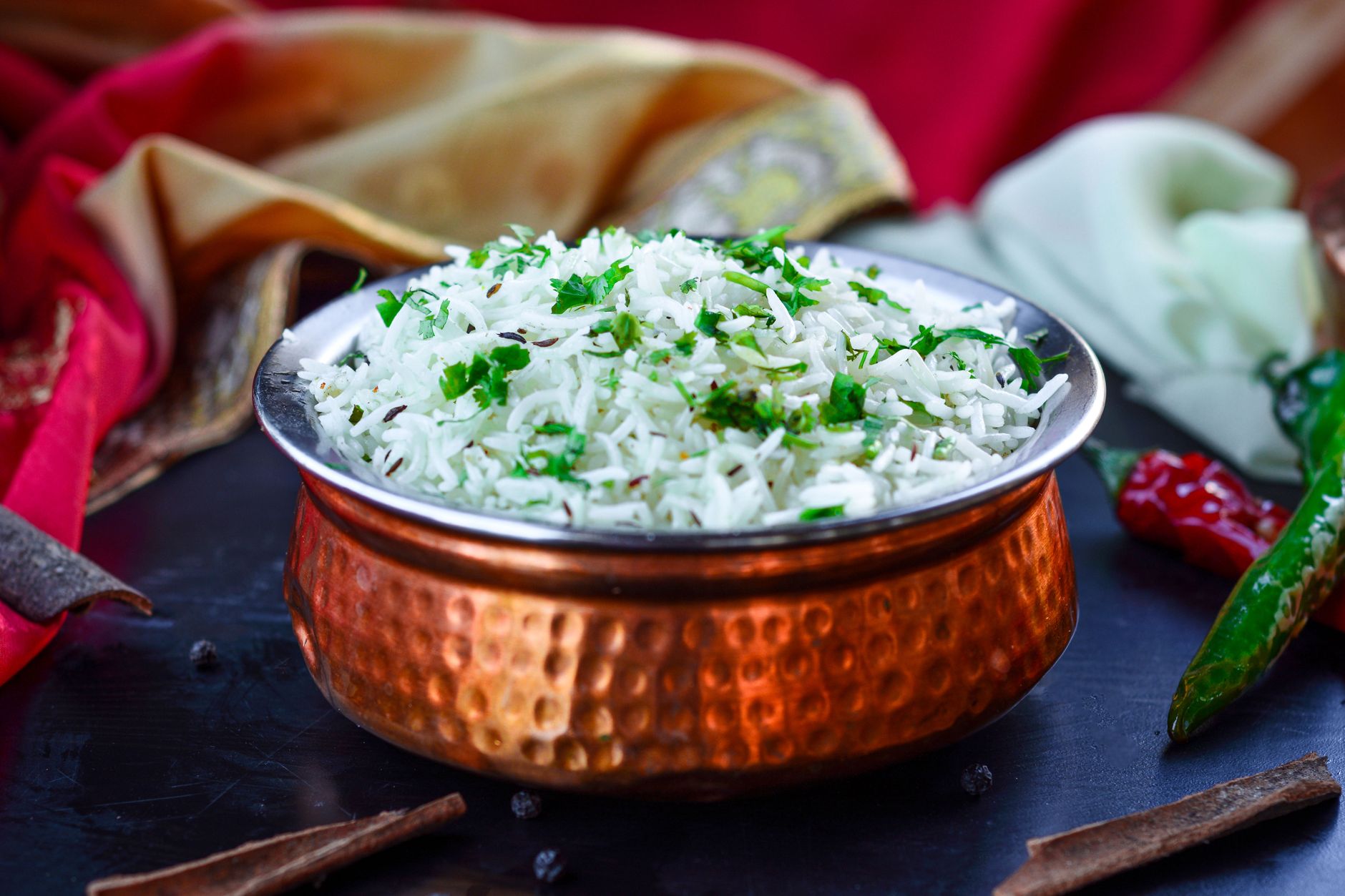
Basmati rice is a staple in many kitchens around the world, especially in South Asian cuisines. Renowned for its distinctive aroma and long, slender grains, it often takes center stage in dishes like biryani and pilaf. However, amidst the culinary appreciation lies a question that resonates with health-conscious individuals: Is basmati rice anti-inflammatory?
This article will delve into the properties of basmati rice, its potential role in inflammation, and dietary considerations surrounding its consumption. With a growing interest in anti-inflammatory diets, understanding this beloved grain’s effects is essential.
Is Basmati Rice Anti Inflammatory?
While basmati rice itself is not a designated anti-inflammatory food, it possesses certain qualities that can make it part of an overall anti-inflammatory diet. Whole grain basmati rice is less processed than white rice, preserving fiber and nutrients, which are beneficial for overall health.
To better comprehend the effects of basmati rice on inflammation, it is crucial to explore its nutritional profile, health benefits, and how it fits into a broader anti-inflammatory diet.
Nutritional Profile of Basmati Rice
Basmati rice is a carbohydrate-rich food and contributes significant energy to meals. A typical serving (about 1 cup of cooked basmati rice) contains:
- Calories: Approximately 200
- Carbohydrates: About 45 g
- Protein: Roughly 4 g
- Fat: Less than 1 g
- Fiber: 1-2 g (more if consuming brown basmati rice)
- Vitamins and Minerals: Includes modest amounts of B vitamins, magnesium, and iron
The fiber content is a notable benefit, particularly in whole grain basmati, as it may help regulate blood sugar levels and improve digestive health. Reduced glycemic index levels in basmati rice, compared to other rice varieties, contribute to its moderate impact on blood sugar levels.
Understanding Inflammation
Inflammation is a natural response by the body to injury or infection, but chronic inflammation can lead to various health issues, including heart disease, diabetes, and autoimmune disorders. To mitigate these risks, many individuals seek out anti-inflammatory foods that can help combat these conditions.
Foods That Promote Inflammation
Before promoting anti-inflammatory options, it’s essential to identify foods that can exacerbate inflammation:
- Sugary beverages and processed foods
- Trans fats and unhealthy fats (such as those found in fried foods)
- Refined carbohydrates (white bread, white rice)
- Excessive alcohol
- Processed meats
In contrast, an anti-inflammatory diet emphasizes whole, nutrient-dense foods, including:
- Fruits and vegetables
- Whole grains
- Healthy fats (olive oil, nuts)
- Fatty fish (rich in omega-3 fatty acids)
- Herbs and spices (ginger, turmeric)
How Basmati Rice Fits into an Anti-inflammatory Diet
Incorporating basmati rice into meals can provide balanced energy along with various health benefits. Here’s how to effectively integrate it into an anti-inflammatory diet:
Opt for Whole Grain Basmati Rice
Choosing whole grain or brown basmati rice over white rice is beneficial due to its higher fiber content and nutrient density. Whole grains can help lower inflammation markers and support digestive health.
Pairing Basmati Rice with Anti-inflammatory Foods
Creating meals that combine basmati rice with anti-inflammatory ingredients maximizes its potential health benefits. Here are some ideas:
- Vegetable Stir-Fry: Toss basmati rice with an array of colorful vegetables like bell peppers, broccoli, and carrots, sautéed with ginger and garlic for added flavor.
- Lentil Curry: Serve basmati rice alongside a lentil and vegetable curry flavored with turmeric, cumin, and coriander.
- Fish or Chicken with Herbs: Pair grilled salmon or chicken marinated in anti-inflammatory herbs like thyme or rosemary with a side of basmati rice.
Cooking Techniques for Basmati Rice
Perfectly cooked basmati rice enhances its flavor and texture, making your dishes more enjoyable. Below are simple steps and tips to cook basmati rice effectively.
Equipment Needed
- A medium or large pot with a lid
- A fine-mesh strainer
- A wooden spoon
Cooking Method
- Rinse the Rice: Place 1 cup of basmati rice in a fine-mesh strainer and rinse under cold running water until the water runs clear, removing excess starch. This helps achieve fluffy grains.
- Soak the Rice: Optional step: Soak the rinsed rice in water for 30 minutes to 1 hour to enhance the texture and ensure even cooking.
- Boil Water: In a pot, add 1.5 to 2 cups of water (depending on desired texture) and bring to a boil. Adjust the water amount for soaked rice—use less water.
- Add Rice: Stir the rinsed rice into the boiling water, adding a pinch of salt if desired.
- Simmer: Cover the pot and reduce the heat to low, allowing the rice to simmer for about 15-20 minutes. Do not lift the lid during cooking.
- Fluff and Serve: Once cooked, remove the pot from heat and let it sit, covered, for an additional 5-10 minutes before fluffing with a fork and serving.
Common Mistakes and Troubleshooting Tips
Cooking basmati rice might seem straightforward, but common mistakes can affect the end result:
- Too Much Water: Using too much water will result in mushy rice. Make sure to measure the water accurately based on whether the rice is soaked or not.
- Overcooking: Keep an eye on the cooking time to prevent overcooked rice, which can ruin its texture. The grains should remain separate and fluffy.
- Not Rinsing: Failing to rinse the rice can lead to clumpy, sticky rice. Rinsing removes surface starch that makes rice gummy.
Storage and Reheating Basmati Rice
Proper storage and reheating techniques are essential for maintaining the quality of your cooked basmati rice:
- Storage: Allow any leftover rice to cool down before transferring it to an airtight container. Store it in the refrigerator for up to 4 days.
- Freezing: For longer storage, basmati rice can be frozen. Spread cooked rice on a baking sheet to cool, then transfer it to freezer-safe bags or containers.
- Reheating: Reheat in a microwave or on the stovetop, adding a splash of water to steam and restore moisture.
Practical Substitutions for Basmati Rice
If you don’t have basmati rice or are looking for alternatives, here are some practical substitutions along with their effects on flavor and texture:
- Jasmine Rice: Similar in aromatic quality, jasmine rice has a slightly stickier texture and also works well in many Asian dishes.
- Short Grain Rice: While it will yield a much stickier result, short grain rice can be substituted in dishes where the texture isn’t a primary concern.
- Quinoa: For a gluten-free and nutrient-dense option, quinoa provides a complete protein source; however, it has a nuttier flavor.
Incorporating Basmati Rice into Meal Planning
Basmati rice can be a versatile staple in meal planning. Here’s how to include it effectively:
- Batch Cooking: Prepare a large batch of basmati rice at the beginning of the week. Store it in the refrigerator or freezer for easy meals.
- Mix and Match: Pair it with various proteins (tofu, chicken, fish) and vegetables to create diverse meals throughout the week.
- Use in Salads: Cold basmati rice works well in salads, adding a hearty element to leafy greens and veggies.
Balancing BasMat Rice in Your Diet
While basmati rice can be part of a healthy eating pattern, moderation is key. Here are some tips to balance its consumption:
- Keep portion sizes in check, particularly if you are managing carbohydrate intake.
- Complement meals with plenty of vegetables and proficient sources of protein.
- Limit the addition of heavy sauces or fats that could exacerbate inflammation.
Conclusion
Basmati rice, particularly when enjoyed as whole grain, can fit well into a balanced diet and contribute positively to an overall anti-inflammatory eating pattern. Pairing it with a variety of vegetables, healthy fats, and proteins amplifies its health benefits.
As you consider the role of basmati rice in your diet, focus on incorporating it in a way that promotes health while satisfying your palate. With the right culinary combinations and meal planning strategies, basmati rice can indeed have a place at the table in your quest for anti-inflammatory options.
Explore more about dietary benefits and cooking tips by checking out is basmati rice gluten-free and is the anti-inflammatory diet safe.