
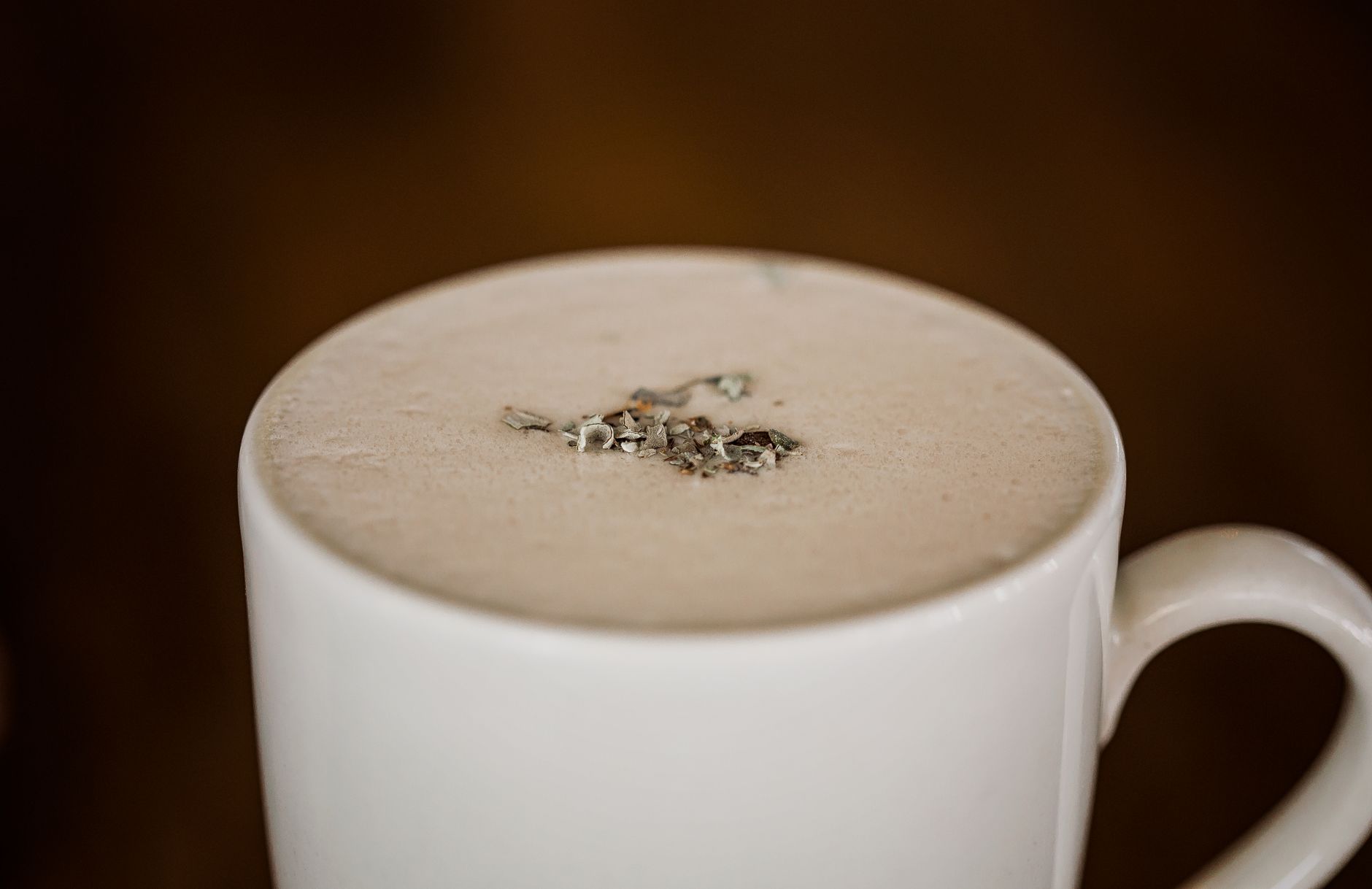
A chai tea latte is a delightful beverage that combines the warm, spiced flavors of traditional chai tea with steamed milk, resulting in a creamy and aromatic drink. This unique combination captivates the taste buds with each sip, making it a favorite in many cafes and homes.
The key to a good chai tea latte lies in its ingredients, which not only contribute to its flavor and texture but also reflect various culinary traditions. Understanding what goes into this beverage can help home cooks perfect their recipes and experiment with different variations.
What Is in a Chai Tea Latte?
A chai tea latte typically consists of three primary components: brewed chai tea, milk, and sweeteners. The chai tea is usually made from black tea mixed with a variety of spices, such as cardamom, cinnamon, ginger, and cloves, which give it a characteristic flavor. The milk can be dairy or plant-based, which creates a creamy texture similar to that of a traditional latte.
Ingredients Breakdown
The quality and type of each ingredient used in a chai tea latte can significantly affect its flavor profile. Here is a breakdown of each main ingredient:
- Chai Tea: Typically made from black tea, such as Assam or Darjeeling, chai tea incorporates a blend of spices that can include cardamom, cinnamon, ginger, cloves, and peppercorns. The specific blend can vary, giving each chai its unique taste.
- Milk: Whole milk is often used for its richness, but alternatives such as almond, soy, coconut, or oat milk can be used for those who prefer dairy-free options. The choice of milk also influences the final texture of the latte.
- Sweeteners: Common sweeteners include sugar (white or brown), honey, or maple syrup. Sweetness levels can be adjusted based on personal preference.
Flavor and Texture
The flavor of a chai tea latte is multifaceted. It combines the robust notes of black tea with the warmth of spices, resulting in a naturally sweet and slightly spicy taste. The addition of milk creates a creamy texture that balances the spiciness, making it an enjoyable drink for many. The aroma of freshly brewed chai, combined with steamed milk, elevates the overall sensory experience.
How to Make a Chai Tea Latte
Making a chai tea latte at home is simple and allows for customization. Below is a guide to prepare a perfect chai tea latte, including a detailed recipe with measurements and techniques.
Ingredients
- 1 cup water
- 1-2 teaspoons loose black chai tea or 1 chai tea bag
- 1 cup milk (dairy or plant-based)
- 1-2 teaspoons sweetener (sugar, honey, or maple syrup, to taste)
- Optional: Extra spices such as cinnamon or nutmeg for garnish
Essential Equipment
- Small saucepan
- Whisk or milk frother
- Tea strainer (if using loose tea)
- Mug for serving
Preparation Steps
- In a small saucepan, bring 1 cup of water to a boil.
- Add the chai tea (loose or in a bag) to the boiling water and reduce the heat to low. Allow it to simmer for 5-7 minutes. Adjust brewing time for a stronger flavor, if desired.
- While the tea is brewing, heat the milk in another saucepan over low heat, or microwave it until warm but not boiling, around 145°F (63°C).
- Once the tea is brewed, remove it from heat and strain the liquid through a tea strainer if using loose tea. Discard the tea leaves.
- Add your choice of sweetener to the brewed chai and stir to dissolve.
- In a whisking motion, froth the warm milk until it reaches a creamy consistency with a small amount of foam on top.
- Pour the brewed chai into a mug, and gently add the frothed milk on top. You may want to hold back the foam with a spoon to create a layered look.
- Garnish with a sprinkle of cinnamon or nutmeg if desired, and serve immediately.
Common Mistakes and Troubleshooting
While making a chai tea latte is straightforward, there are common mistakes that can occur. Here are a few tips to avoid pitfalls:
- Over-brewing the tea: Leaving the tea to steep for too long can result in a bitter taste. Stick to recommended brewing times, typically around 5 to 7 minutes.
- Using boiling milk: Boiling milk can lead to an unpleasant texture and taste. Aim for heating it just below boiling.
- Skipping sweeteners: The spices in the chai can be quite potent, and without sweetening, the flavors may overpower the drink. Adjust sweetness to find the perfect balance.
- Not frothing the milk: Skipping the frothing step can lead to a less creamy texture. If you don’t have a frother, shake the warm milk in a sealed jar to create foam.
Variations and Substitutions
The beauty of a chai tea latte lies in its versatility. Here are some variations and substitutions you can try:
- Spice adjustments: Play with the spices used in your chai. Turmeric, vanilla beans, or even a pinch of nutmeg can offer unique flavor profiles.
- Sweeteners: Experiment with different sweeteners like agave syrup, stevia, or coconut sugar for a twist.
- Milk alternatives: Use alternative milks like cashew, macadamia, or hemp milk for a different taste and texture.
- Chai concentrate: For a quicker method, purchase or prepare chai concentrate to mix with milk, reducing the brewing time significantly.
Storing and Reheating Chai Tea Latte
If you’ve made a larger batch of chai tea latte, storing it properly ensures that you can enjoy it later. Here are some storing tips:
- Refrigeration: Store unused chai tea latte in an airtight container in the refrigerator for up to 2 days. Stir well before reheating.
- Reheating: When reheating, do so gently either on the stovetop or in the microwave. Avoid boiling the reheated latte to maintain its texture.
Kitchen Uses and Serving Suggestions
A chai tea latte serves as a versatile drink that can be enjoyed at any time of day. Here are some serving suggestions:
- Breakfast pairing: Serve with breakfast foods like oatmeal, pancakes, or pastries for a warming start to the day.
- Snacks: Pair it with sweets like cookies or cakes, complementing the spices in the latte.
- Post-dinner drink: It can also serve as a comforting after-dinner beverage, especially during the colder months.
Chai Tea Latte in Different Cultures
The chai tea latte has roots in Indian culture, where “chai” is simply the word for tea. In India, chai is traditionally prepared with milk and spices on the stovetop, often using condensed milk for sweetness. In contrast, Western versions of chai tea lattes embrace the coffeehouse culture, with variations often introducing additional flavors or modifications.
Despite these differences, the delightful blend of warming spices and rich tea remains a favorite across the world. The versatility of this drink encourages customization while maintaining the comforting essence that chai lovers appreciate.
Frequently Asked Questions
Can I use decaffeinated tea?
Yes, you can use decaffeinated black tea to make a chai tea latte if you want to avoid caffeine while still enjoying the spiced flavors.
How can I make it vegan?
To make a vegan chai tea latte, use plant-based milk alternatives like almond, soy, or oat milk and sweeten with maple syrup or agave nectar.
Conclusion
There is much to explore in the world of chai tea lattes, from the traditional recipes to modern adaptations. Understanding the key ingredients, techniques, and variations can elevate your beverage-making skills. To deepen your knowledge of chai, you might want to check out how much caffeine is in chai tea or try making your own chai concentrate.
For more related recipes and food guides, feel free to explore how much caffeine is in chai tea or learn about making your own chai concentrate.