
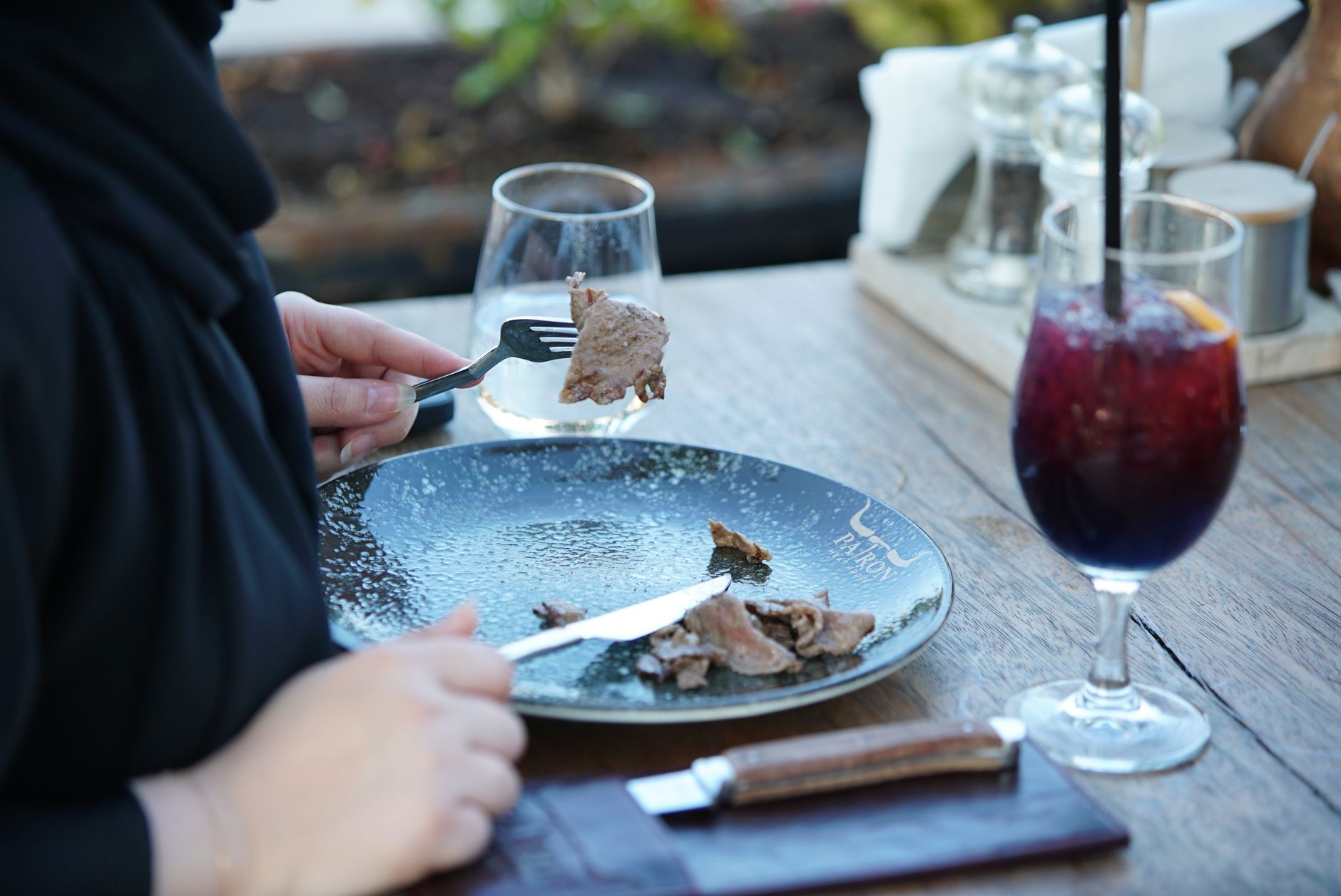
Bottom round steak is a cut of beef that comes from the round primal, located at the rear end of the cow. Known for its robust flavor and affordability, this cut is ideal for various cooking methods, though it can be somewhat challenging due to its lean nature.
In this article, we will explore the taste and texture of bottom round steak, its kitchen uses, and the best cooking techniques to make the most of this versatile ingredient. Whether you’re new to cooking beef or looking for ways to incorporate this cut into your meals, this guide has you covered.
What Is Bottom Round Steak?
Bottom round steak is a lean cut of beef taken from the hind leg of the cow, specifically the outer portion of the round. It is typically less tender than cuts from more active muscles, such as ribeye or tenderloin. However, it offers a rich beef flavor and is quite economical, making it a favorite for budget-conscious cooks.
Taste and Texture of Bottom Round Steak
The taste of bottom round steak is characterized by a full, beefy flavor that becomes even more pronounced when cooked correctly. Its texture is firm due to its lower fat content, which results in a chewiness that can be softened with the right cooking methods.
When properly cooked, bottom round steak can be juicy and flavorful. However, overcooking can lead to a dry and tough result. This cut is best suited for preparation methods that enable moisture retention, such as braising, marinating, or slow cooking.
Kitchen Uses for Bottom Round Steak
Bottom round steak is highly versatile and can be used in a variety of recipes. Here are some popular kitchen uses:
- Steaks: When grilled or pan-seared, bottom round steak can be enjoyed as a standalone dish, particularly when marinated to enhance tenderness.
- Stir-fries: Thinly sliced, it can be an excellent addition to stir-fries or fajitas, where quick cooking methods emphasize the meat’s flavor.
- Sandwiches: Cooked and sliced, it makes for a hearty filling in sandwiches, especially with flavorful condiments.
- Braising: Slow-cooked dishes benefit from this cut, as braising achieves tender results that enhance the beef’s natural flavor.
- Roasts: Bottom round also works well as a pot roast, where it is cooked slowly to meld flavors and tenderize the meat.
Cooking Techniques for Bottom Round Steak
Due to its lean nature, cooking methods are crucial when preparing bottom round steak. Here are several techniques that work well with this cut:
1. Marinating
Marinating bottom round steak improves its flavor and helps tenderize the meat. Acidic ingredients, such as vinegar or citrus juice, break down tougher fibers, making it more palatable.
- Choose a marinade that includes acidic components, oils, and seasonings.
- Marinate for at least 30 minutes to 4 hours, depending on the recipe and desired flavor intensity.
2. Grilling
Grilling is an excellent way to quickly cook bottom round steak, locking in juices and creating a delicious crust.
- Preheat your grill to high heat.
- Remove the steak from the marinade and pat it dry; discard excess marinade.
- Season with salt and pepper before grilling for 4-6 minutes per side for medium-rare.
3. Pan-Searing
Pan-searing allows you to develop a crust on the steak while keeping it juicy.
- Heat a cast-iron skillet over medium-high heat with a little oil.
- Once the oil is shimmering, add the steak and cook for 4-5 minutes per side.
4. Braising
Braising is ideal for bottom round steak, especially in recipes where it is cooked slowly with liquid to enhance tenderness.
- Brown the steak in a heavy pot, then add onions, garlic, and broth or wine.
- Cover and simmer on low for 2-3 hours until tender.
Storage and Handling Tips
Proper storage and handling of bottom round steak are crucial for food safety and quality.
- If not cooking immediately, refrigerate raw bottom round steak at or below 40°F (4°C) for up to 3-5 days.
- For longer storage, freeze the steak in an airtight container or vacuum seal. It can last up to 6 months in the freezer.
- Always thaw frozen steak in the refrigerator or by using the microwave on a defrost setting.
Common Mistakes to Avoid
Cooking bottom round steak can be tricky, but avoiding these common mistakes can lead to better results:
- Overcooking: This will result in a tough eating experience; use a meat thermometer to check for doneness. Aim for 135°F (57°C) for medium-rare.
- Neglecting to rest: Allow the steak to rest for at least 5 minutes after cooking. This lets the juices redistribute, making for a juicier cut.
- Underseasoning: Enhance the natural flavors of the steak by seasoning generously with salt and pepper before cooking.
Substitutions for Bottom Round Steak
If bottom round steak is unavailable, there are a few alternatives you can use:
- Top Round Steak: Similar in texture and taste, top round will yield comparable results but may be slightly more tender.
- Flank Steak: This cut is more flavorful and tender when cooked properly; adjust cooking times as needed.
- Sirloin Steak: Another option that offers more tenderness and flavor, ideal for grilling or searing.
Conclusion
Bottom round steak can be an excellent addition to various meals when prepared properly. Its deep beef flavor and budget-friendly price make it a worthy cut to explore in the kitchen. Whether you choose to grill, braise, or marinate, mastering this ingredient can elevate your culinary repertoire.
For a delicious way to serve bottom round steak, consider trying a classic pot roast using the recipe found here. To enhance the flavor of your cuts, you can also experiment with different seasonings using the steak seasoning recipe available here.