
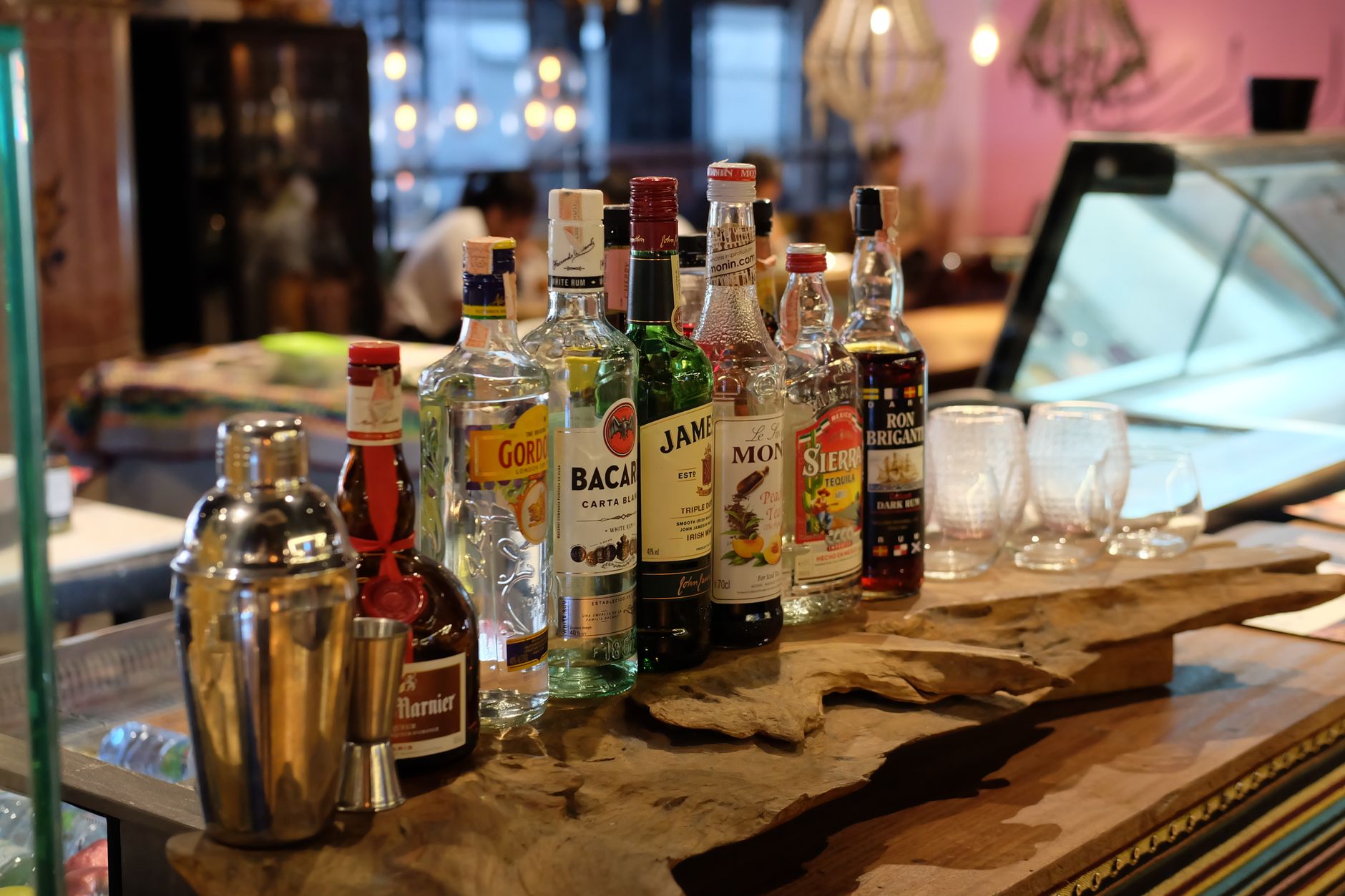
When exploring the world of spirits, one may come across Grand Marnier and wonder if it truly qualifies as a cognac. This French liqueur is renowned for its unique blend of orange flavor and brandy, but its classification can be a bit confusing. In this article, we’ll dive into the characteristics of Grand Marnier, its production process, and how it compares to cognac.
Understanding this distinction is crucial for anyone interested in culinary uses or cocktail crafting. By clarifying if Grand Marnier is a cognac, we can enhance our appreciation of this delicious spirit and learn how to use it effectively in recipes and drinks.
Is Grand Marnier a Cognac?
No, Grand Marnier is not a cognac. It is a liqueur made from a blend of cognac and distilled essence of bitter orange. This makes it a unique product that combines the rich flavors of high-quality cognac with the zesty brightness of oranges.
While cognac is a type of brandy produced in the Cognac region of France under strict regulations, Grand Marnier enhances this base by adding the essence of oranges, creating its signature flavor profile. The fact that cognac is one of the ingredients in Grand Marnier is what often leads to the confusion.
What Is Cognac?
Cognac is a strong, fragrant brandy made from specific grape varieties grown and harvested in the Cognac region of France. The production of cognac follows rigorous legal requirements, including double distillation in copper pot stills and aging for at least two years in oak barrels. This aging process contributes to the complex flavors and aromas characteristic of cognac.
The main grape varieties used in cognac production include:
- Ugni Blanc
- Folle Blanche
- Colombard
The flavor profile of cognac can range from fruity and floral to rich and spicy, depending on various factors such as the grape variety, the soil, and the aging conditions. Each cognac house has its unique style and characteristics, balancing sweetness, oakiness, and floral notes to create its signature blends.
The Origins of Grand Marnier
Grand Marnier was created in 1880 by Louis-Alexandre Marnier Lapostolle. It was originally called “Curaçao Marnier,” as it was a combination of curaçao and cognac. Over time, the name evolved to Grand Marnier, and it became well-known for its quality and distinct taste. The brand quickly gained popularity in cocktails and culinary applications.
Today, Grand Marnier is produced by the Marnier Lapostolle family and is regarded as a premium liqueur. It is made using the same time-honored methods employed since its inception, ensuring consistency in flavor and quality.
Production Process of Grand Marnier
The production of Grand Marnier involves several meticulous steps that contribute to its unique flavor profile:
- Harvesting: The oranges used in Grand Marnier are primarily grown in the Caribbean. The oranges are handpicked to ensure that only the highest quality fruit is used.
- Distillation: The selected oranges are then distilled to extract their essence. This is done by crushing the fruit and then distilling the resulting liquid to capture the aromatic oils and flavors.
- Cognac Blending: The distilled orange essence is blended with fine cognac from the Cognac region. The choice of cognac plays a significant role in the final flavor profile of Grand Marnier.
- Aging: The blend is then aged in oak barrels for several months to develop its flavors. This aging process allows the essence of the oranges to meld harmoniously with the cognac.
- Bottling: After aging, the Grand Marnier is filtered and bottled, ready to be enjoyed.
Flavor Profile of Grand Marnier
Grand Marnier is distinguished by its rich orange flavor complemented by the complexity of the cognac. The texture is smooth, with a sweet yet slightly bitter undertone from the orange. Here are some key tasting notes:
- Orange Zest: The dominant flavor is undoubtedly that of the orange, which gives it a bright and citrusy character.
- Vanilla and Oak: Subtle notes of vanilla and caramel emerge from the cognac, providing warmth and depth.
- Spices: Hints of spice add an intriguing complexity to the overall flavor.
When used in cocktails or culinary dishes, Grand Marnier can enhance both sweet and savory flavors. Its versatility makes it a favorite among bartenders and chefs alike.
Culinary Uses of Grand Marnier
Grand Marnier can be used in a variety of culinary applications, from cocktails to desserts and even savory dishes. Here are some popular ways to incorporate it into your cooking and drinking:
Cocktails
Grand Marnier is a key ingredient in numerous classic cocktails. Some of the most notable include:
- Margarita: Replace triple sec with Grand Marnier for a more sophisticated flavor.
- Grand Marnier Sour: Mix Grand Marnier with fresh lemon juice and simple syrup for a refreshing drink.
- Grand Cosmopolitan: Substitute Cointreau with Grand Marnier for a unique twist on the classic cosmopolitan.
Desserts
Grand Marnier adds a sophisticated touch to many dessert recipes. Consider these options:
- Chocolate Soufflé: Enhance the flavor of chocolate by adding a splash of Grand Marnier to the batter.
- Crêpes Suzette: This classic French dish features crêpes flambéed in Grand Marnier sauce.
- Fruit Salads: Drizzle Grand Marnier over fresh fruit to amplify the flavors and add a hint of sweetness.
Savory Dishes
While many use Grand Marnier in sweet recipes, it can also complement savory dishes. Try these ideas:
- Glazes for Meat: Use Grand Marnier in marinades or glazes for duck or pork to add depth and sweetness.
- Deglazing: After sautéing vegetables or meats, deglaze the pan with Grand Marnier to create a rich sauce.
Substitutes for Grand Marnier
If you’re in a pinch and don’t have Grand Marnier on hand, there are alternatives you can use. Here are a few options:
- Cointreau: This orange-flavored liqueur is a direct substitute, though it lacks the cognac base.
- Triple Sec: Another orange liqueur, though it is typically lighter and less complex than Grand Marnier.
- Orange Juice with Cognac: For a homemade substitute, mix orange juice with a splash of cognac for flavor reminiscent of Grand Marnier.
Keep in mind that each substitute will alter the taste and depth of flavor in the final dish or drink.
Common Mistakes When Using Grand Marnier
To maximize your enjoyment of Grand Marnier, be aware of these common pitfalls:
- Overusing: Grand Marnier is potent; use it judiciously to avoid overwhelming your dish or drink.
- Ignoring Temperature: For cocktails, always serve with ice or chilled to maintain balance.
- Using Low-Quality Cognac: Since Grand Marnier contains cognac, using high-quality cognac will enhance the overall flavors of your recipe.
Storage Tips for Grand Marnier
To preserve the quality of Grand Marnier after opening, consider these storage tips:
- Keep it Sealed: Always ensure that the bottle is tightly sealed after each use to prevent oxidation.
- Store at Room Temperature: Unlike some spirits, Grand Marnier does not require refrigeration and can be stored in a cool, dark place.
- Avoid Direct Sunlight: Keep it away from sunlight to prevent degradation of flavors and aromas over time.
The Best Ways to Enjoy Grand Marnier
Ultimately, enjoying Grand Marnier comes down to personal preference, but some popular methods include:
- Sipping Neat: Appreciate the liqueur’s complexity by sipping it at room temperature.
- In Cocktails: Use it in mixed drinks for complex flavor combinations.
- In Cooking: Use it to enhance both desserts and savory dishes as outlined above.
Conclusion
In summary, Grand Marnier is not a cognac, but rather a liqueur that features cognac as one of its key ingredients, each contributing to its rich, complex flavor. With its vibrant orange notes, it excels in cocktails, desserts, and even savory dishes.
With this knowledge, you can confidently use Grand Marnier in your culinary adventures. Whether you’re mixing cocktails or creating exquisite desserts, Grand Marnier can elevate your cooking game.
Explore more about crafting cocktails with links to our margarita recipe using Cointreau or consider trying out a blackberry margarita recipe to mix things up. Enjoy your cooking journey!