
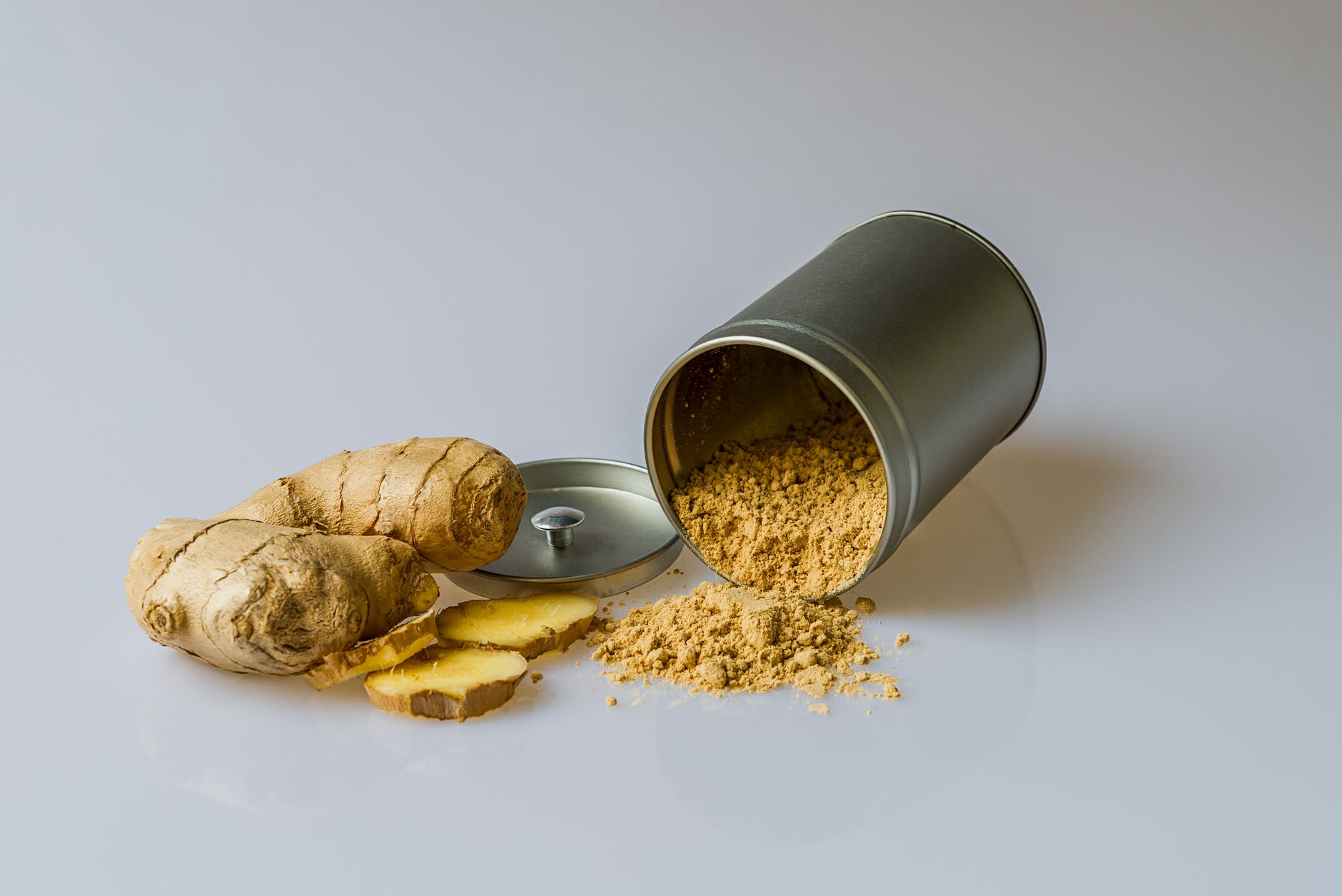
Orris root, derived from the rhizome of the iris plant, is a fascinating ingredient with a rich history in culinary and medicinal applications. Typically dried and ground into a powder, orris root is known for its unique flavor profile and aromatic qualities, often used as a flavoring agent in both sweet and savory dishes.
This comprehensive guide explores what orris is, its flavor characteristics, potential uses in cooking, how to serve it, and substitutions you might consider if it’s not readily available. Understanding orris can enrich your culinary adventures and broaden your ingredient repertoire.
What Is Orris?
Orris is derived from the dried root of certain Iris species, most commonly Iris germanica and Iris pallida. The roots are harvested, dried, and then ground to produce a fine powder that has a unique scent reminiscent of violets and delicate florals. Because of its strong aromatic properties, orris root is particularly valued in various culinary and therapeutic applications.
Understanding the Flavor and Aroma of Orris
The flavor of orris root is often described as subtly sweet, floral, and earthy, making it a versatile ingredient in the kitchen. The aroma, which contains hints of violets, can enhance the overall sensory experience of dishes where it is used.
Flavor Profile
- Sweetness: Orris root has a mild sweetness that can lend a pleasant tone to many dishes, particularly desserts.
- Floral notes: The vibrant floral characteristics in orris make it a perfect companion for other floral flavors, such as lavender or rose.
- Earthy undertones: Its earthy base can complement spices and provide depth to savory dishes.
Aroma
The aroma of orris root is often compared to that of violets, with some people detecting subtle woody or even slightly herbaceous notes. Because of its strong fragrance, orris is frequently employed in perfumery and traditional remedies, functioning as a fixative to help other scents last longer.
Culinary Uses of Orris
Orris root has a historical presence in cooking, particularly in various European cuisines. Here are some key applications:
In Baking
Orris is occasionally used in baking, particularly in spice mixtures, cookies, and cakes. Its floral undertones can pair beautifully with chocolate, cream, and fruit-based desserts.
In Savory Dishes
While less common in savory applications, orris can enhance soups, stews, or sauces, especially those that incorporate floral elements or spices.
In Beverages
Orris root is also found in some beverages. It may be included in gins and flavored vodkas, adding depth and complexity to these drinks. Additionally, orris can be used in crafting herbal teas or blends.
In Confectionery
Given its unique flavor profile, orris root is used in some confectionery items, offering a subtle and distinctive taste that can enhance the sweetness of candies or chocolates.
How to Use Orris in Recipes
Using orris root effectively can elevate your cooking, but it is essential to use it judiciously, given its strength. Here’s how to incorporate orris root into your culinary creations:
Measurement Guides
When adding orris root powder to recipes, start with a small amount. A general guideline is:
- Sweet Dishes: Start with 1/4 to 1/2 teaspoon per serving to balance the sweetness without overpowering other flavors.
- Savory Dishes: Use sparingly, around 1/8 teaspoon, as a little goes a long way.
How to Serve Dishes with Orris
Serving dishes that feature orris root can be a delightful experience. Here are some tips for enhancing your presentation and flavor profile:
Pairing Suggestions
When serving meals that incorporate orris root, consider complementary flavors:
- Fruits: Pair with fruits like pears, apples, or plums to enhance the dish’s sweetness.
- Herbs: Combine with delicate herbs such as mint, basil, or thyme to balance the floral notes.
- Spices: Use with other spices like cinnamon, nutmeg, or cardamom to create a complex flavor profile.
Serving Ideas
Here are some suggestions on how to serve dishes featuring orris:
- In Desserts: Use orris to enhance cakes, cookies, or mousses. Serve with whipped cream or a light custard.
- In Sauces: Incorporate orris into sauces for roasted meats or fish, providing a floral uplift.
- As a Garnish: Dust a pinch of orris on top of desserts or drinks for an aromatic touch.
Substitutions for Orris Root
If orris root isn’t available, several alternatives can provide similar flavors, though none will perfectly replicate its unique characteristics. Here are a few substitutes with guidance on their use:
Possible Substitutes
- Violet Leaf Extract: Offers a floral note similar to orris but may have a slightly stronger flavor. Use in smaller quantities, starting with 1/8 teaspoon.
- Lavender: Dried lavender flowers can mimic the floral aspect of orris. Use up to 1/4 teaspoon for a similar effect.
- Chamomile: A gentle floral flavor that can work in dishes where orris is used sparingly. Try 1/2 teaspoon as a starting point.
- Rose Water: Provides a distinct floral note. Use it in small quantities, about 1/4 teaspoon, particularly in desserts.
Common Mistakes When Using Orris
To get the most out of orris root, there are a few common pitfalls to avoid:
Overusing the Ingredient
Since orris root has a strong flavor, it’s easy to overpower a dish if not cautious. Always start with small amounts, especially if you’re unfamiliar with its flavor.
Ignoring Complementary Flavors
Without other complementary flavors, the unique profile of orris may clash rather than enhance. Always think about the balance of flavors in your dish.
Storage and Shelf Life of Orris Root
Proper storage is essential to prolong the shelf life of orris root. Here’s what you should know:
Storage Recommendations
- Keep orris root powder in an airtight container.
- Store it in a cool, dark place, away from moisture and direct sunlight.
Shelf Life
When stored correctly, orris root powder can last for about 1-2 years. However, its flavor can diminish over time, so using it within the first year is advisable for the best results.
Exploring the Historical Context of Orris
Orris root has a historical significance in both cooking and health practices. Historically used by ancient Egyptians and in various cultures, it has found its way into culinary, medicinal, and perfumery traditions.
Traditional Uses
In the past, orris root was employed in various traditional remedies and herbal practices. It was believed to have calming effects and is still used in some herbal formulations today.
Modern Culinary Trends
In contemporary cooking, there has been a renewed interest in artisanal and craft beverages featuring orris root, with mixologists experimenting to give unique flair to cocktails. Its niche appeal is growing as chefs seek to elevate flavors in unexpected ways.
Conclusion
Understanding orris root opens up new avenues for culinary exploration. Its floral, earthy profile can enhance a variety of dishes, making it a valuable addition to your pantry. Start by experimenting with small amounts in both sweet and savory recipes, and enjoy discovering how this unique ingredient can transform your cooking.
For further culinary inspiration, explore our guides on the taste of saffron and the uses of ginger to expand your ingredient knowledge in the kitchen.