
Plantains are a staple ingredient in many cuisines around the world, especially in tropical regions. Known for their versatility, they can be enjoyed in a variety of dishes, from savory to sweet. However, knowing when a plantain is ripe is crucial for getting the best flavor and texture from this unique fruit.
In this guide, we’ll explore the signs of ripeness in plantains, how to select them at the store, and the best ways to store your plantains after purchasing. By understanding these factors, you’ll be better equipped to incorporate this delicious fruit into your meals.
When Is a Plantain Ripe?
A plantain is considered ripe when its skin changes color, typically from green to yellow or black. A ripe plantain will feel slightly soft to the touch but still firm, indicating it’s ready for cooking or eating. The best time to pick plantains is when they are yellow with a few black spots, as this suggests optimal sweetness and flavor.
Understanding Plantain Ripeness Stages
Plantains go through several stages of ripeness, each suitable for different culinary uses. The transition in color and texture is key to determining their best use.
Green Plantains
Green plantains are unripe and starchy, making them perfect for savory dishes. They are not sweet and can be quite tough to chew. Typical uses include frying or boiling, where they can be transformed into delicious tostones or fritters.
Yellow Plantains
As they ripen, plantains turn yellow, indicating that they are beginning to sweeten. In this stage, the flesh is softening yet still firm. Yellow plantains are best for recipes where a slight sweetness enhances the dish, such as in plantain chips or baked dishes.
Black Plantains
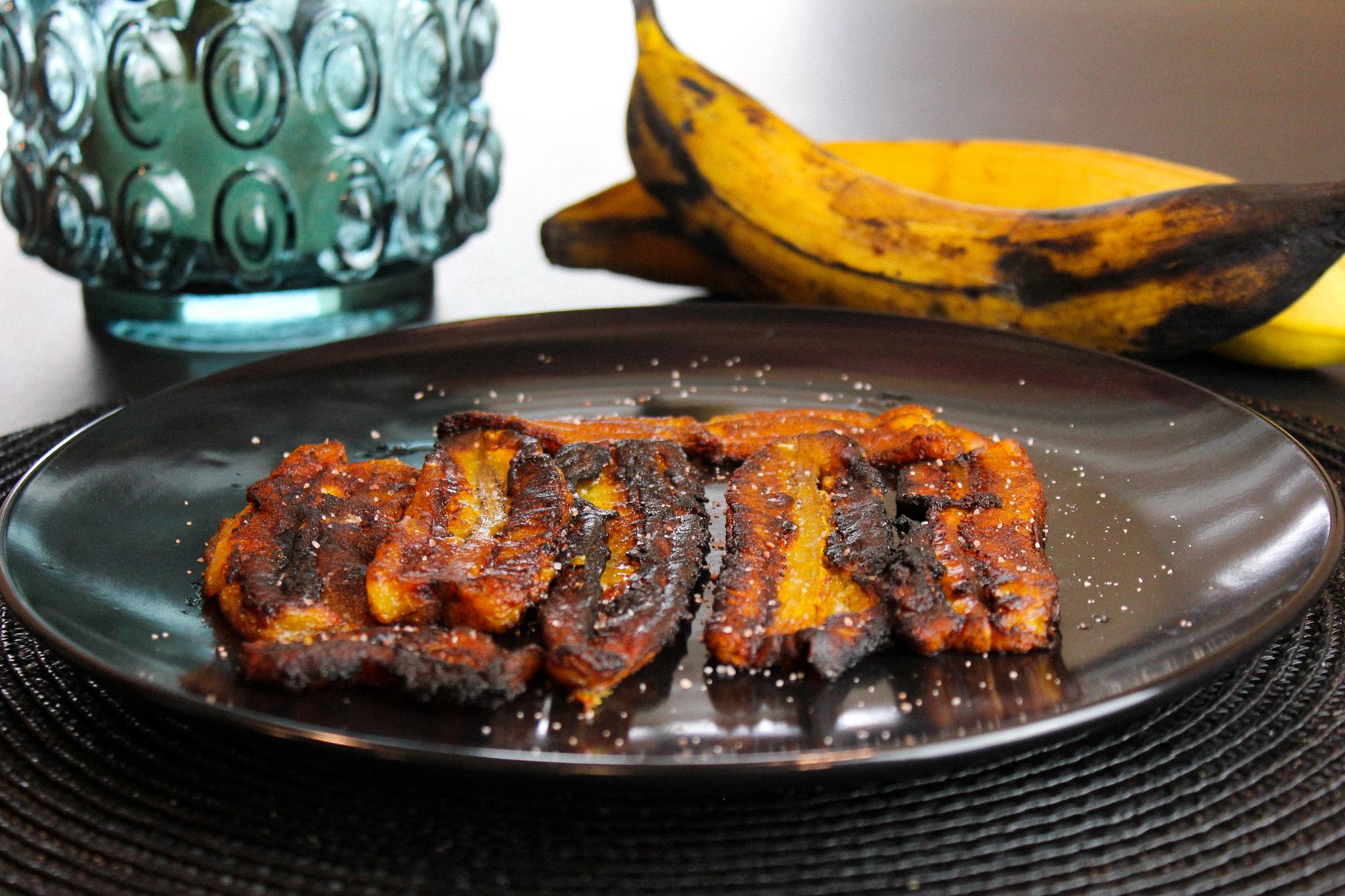
When a plantain turns completely black, it means it is very ripe and fully sweet. While they may appear unattractive, black plantains have a rich, sweet flavor and a mushy texture. This stage is ideal for making desserts, such as plantain pudding or simply frying for a sweet treat.
How to Choose Ripe Plantains
To select the perfect plantain, pay attention to the following factors:
- Color: Look for a plantain that has a consistent color. For ripe plantains, find those that are mostly yellow with some black spots.
- Firmness: Gently squeeze the plantain; it should yield slightly but not be overly soft. This firmness indicates it has the right texture for cooking.
- Spots: A few black spots are normal and indicate sweetness. Avoid plantains that are entirely black or have large blemishes.
Where to Buy Plantains
Plantains can typically be found in grocery stores, especially those with a strong emphasis on international foods. Here are some tips for buying plantains:
- Regional Markets: Visit local Latin American or Caribbean grocery stores, where you may find fresher options.
- Farmers’ Markets: If available in your area, farmers’ markets can offer high-quality plantains, sometimes organic.
- Online Grocery: Many online grocery services can deliver plantains, ensuring they’re ripe and ready for use.
Storing Plantains
Proper storage of plantains is essential to control ripeness and prevent spoilage. Here are the best practices:
Unripe Plantains
Store unripe plantains at room temperature, away from direct sunlight. They will continue to ripen naturally in this state. Keep them in a fruit bowl or a paper bag to help retain moisture.
Ripe Plantains
Once ripe, it’s important to use them quickly. You can store ripe plantains in the refrigerator to slow down further ripening. The skin may darken but the flesh will remain good. When ready to use, allow them to reach room temperature again before cooking.
Freezing Plantains
If you have more ripe plantains than you can use, consider freezing them. Here’s how:
- Peel the plantains and cut them into your desired shape (slices, chunks, or whole).
- Spread them in a single layer on a baking sheet and freeze until solid.
- Transfer to a freezer-safe bag or container, ensuring to remove as much air as possible.
Frozen plantains are best used within six months for optimal flavor and texture.
Cooking with Ripe Plantains
Once you have determined the ripeness of your plantains and obtained them, it’s time to explore various cooking methods. Here are popular techniques and dishes featuring plantains:
Frying Plantains
Fried plantains are perhaps the most popular way to enjoy them. Depending on the ripeness, you can slice them differently:
- Tostones: Use green plantains cut into thick slices, fried once, smashed, and fried again until crispy.
- Sweet Fried Plantains: For ripe (yellow or black) plantains, slice them thinly and fry them until golden brown and caramelized.
Baking Plantains
Oven-baked plantains are healthier than frying. You can bake ripe plantains whole or sliced:
- Preheat your oven to 400°F (200°C).
- Wrap whole plantains in foil or lay slices flat on a baking sheet.
- Bake for about 20-25 minutes for whole plantains or 15-20 minutes for slices.
- Remove once soft and caramelized to your liking.
Boiling Plantains
Boiling is another simple way to prepare green plantains. Here’s how:
- Peel the green plantains and cut them into large chunks.
- Bring a pot of salted water to a boil.
- Add the chunks and boil for about 25-30 minutes until soft.
- Drain and serve with your choice of seasonings or sauces.
Common Mistakes When Handling Plantains
Working with plantains can be tricky, especially if you’re unfamiliar with their ripeness stages. Avoid these common mistakes:
- Cooking Unripe Plantains: Using them before they are properly ripe can yield tough, unappetizing results.
- Overcooking: Plantains can turn mushy if cooked too long. Monitor cooking times closely.
- Improper Storage: Not refrigerating ripe plantains can lead to quick spoilage or over-ripening.
Troubleshooting Plantain Dishes
Even the best cooks can encounter challenges. Here are solutions:
- Too Tough to Eat: If your plantains are still tough after cooking, they may be under-ripe. Cook them longer or switch to using riper plantains next time.
- Burned Outside, Raw Inside: This can happen when frying at a temperature that’s too high. Lower the heat and allow more cooking time.
- Soggy Results: If your fried plantains come out soggy, ensure your oil is hot enough and avoid crowding the pan.
Plantain Recipe Ideas
To inspire your menu, here are some easy recipe ideas featuring plantains:
Plantain Chips
Thinly slice ripe plantains, fry or bake, and season to taste for a crunchy snack.
Sweet Plantain Pudding
Blend ripe plantains with milk, sugar, and spices, then bake for a comforting dessert.
Plantain Fritters
Mix mashed ripe plantains with flour, eggs, and seasonings, then fry until golden brown for a tasty side dish.
Final Thoughts
Understanding when a plantain is ripe can make all the difference in achieving the flavor and texture you desire in your dishes. From choosing the right plantains at the store to knowing how to prepare them, your culinary experience with this fruit can be enhanced significantly. Next time you’re in the grocery store, remember these tips to select the right plantain for your needs and get creative in the kitchen.
Feel free to explore more related recipes like plantains recipe to further expand your culinary repertoire. Cooking with plantains can add a delightful twist to your everyday meals, and you might just discover a new favorite dish along the way!