
Experiencing an upset stomach or diarrhea can be uncomfortable and distressing. It is essential to choose foods that are gentle on the digestive system while still providing necessary nutrients. This guide highlights foods suitable for alleviating these symptoms, along with practical serving ideas to help ease discomfort and promote recovery.
When dealing with digestive troubles, certain foods can be beneficial due to their soothing properties. The following sections explore what you should eat, when to eat it, and how to prepare these foods for optimal comfort and recovery.
What to Eat for Upset Stomach and Diarrhea?
When experiencing an upset stomach or diarrhea, it is recommended to consume bland, low-fiber foods that are easy to digest and can help firm up stool. These include bananas, rice, applesauce, toast (often referred to as the BRAT diet), cooked carrots, and clear broths. Staying hydrated with clear fluids is also crucial during this time.
Key Foods to Include in Your Diet
The BRAT Diet
The BRAT diet consists of four main ingredients: bananas, rice, applesauce, and toast. These foods are effective for easing digestive distress due to their low fiber content and easy digestibility. Let’s dive deeper into each component:
- Bananas: Rich in potassium, bananas can help replace lost electrolytes and provide energy. They are soft, easy to chew, and digest.
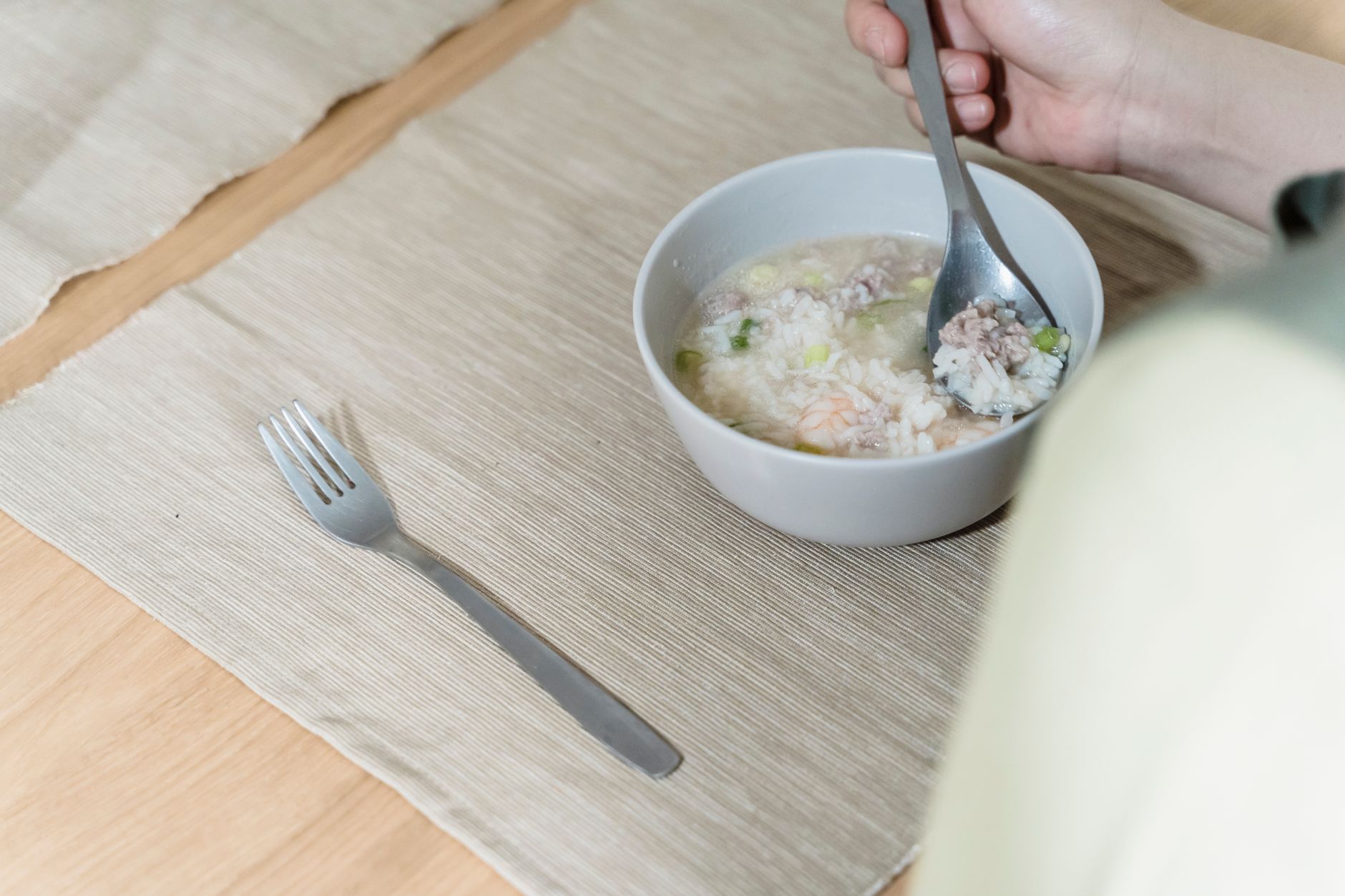
- Rice: White rice is bland and low in fiber, making it an excellent choice for settling the stomach.
- Applesauce: Easy to digest and soothing to the stomach, applesauce also contains pectin, which may help bulk up stool.
- Toast: Plain white toast can help absorb excess stomach acid and is generally gentle on the digestive tract.
Cooked Carrots
Cooked carrots are another gentle food option. They are soft and contain nutrients that may aid in recovery. Steaming or boiling carrots until soft can make them easier to digest.
Clear Broths
Clear broths, such as chicken or vegetable broth, can help keep you hydrated and provide essential minerals without taxing your digestive system. Homemade broth is best, but store-bought options without added preservatives are also effective.
Plain Crackers
Plain crackers, such as saltines, can help absorb excess stomach acid and are easy to consume when feeling unwell. They provide some carbohydrates without overwhelming the stomach.
Ginger
Ginger has natural anti-inflammatory properties and can help soothe the stomach. Ginger tea or ginger ale (with real ginger) can be a good choice, but avoid those with added sugar or artificial flavors.
Oatmeal
Plain oatmeal is another easy-to-digest food that can provide fiber to help firm up stool. Prepare oatmeal with water or clear broth, avoiding milk or cream until you recover.
Foods to Avoid
When experiencing digestive distress, certain foods should be avoided as they can exacerbate symptoms. These include:
- Dairy Products: Milk and cheese can be difficult to digest during this time.
- Fatty Foods: Foods high in fat can cause further upset and should be limited.
- Spicy Foods: Spices and strong flavors may irritate the stomach lining.
- Caffeinated Beverages: Coffee and caffeinated sodas can increase stomach acidity and worsen symptoms.
- Alcohol: Alcohol is irritating to the stomach and can exacerbate dehydration.
Practical Serving Ideas
It’s essential to not only choose the right foods but also prepare them in ways that enhance their digestibility. Here are some practical serving ideas to make the most of the recommended foods:
Banana Smoothie
A banana smoothie can be both soothing and nutritious. Use ripe bananas and blend with water or clear apple juice for a refreshing drink.
Rice Pudding
Cook rice using water or broth, and once tender, add a little bit of cinnamon for flavor without overwhelming the palate. This makes for a satisfying, warm dish.
Applesauce and Ginger Mix
Mix plain applesauce with a bit of grated ginger. This combination helps in soothing the stomach while providing necessary carbohydrates.
Carrot and Ginger Soup
Make a simple soup by boiling carrots and ginger in vegetable broth. Blend until smooth for easy consumption.
Toasted Crackers with Applesauce
Spread applesauce on toasted plain crackers for a gentle snack that combines the benefits of both foods.
When to Eat?
Eating small, frequent meals can be more manageable than large meals during stomach upset. Consider the following schedule:
- Morning: Start with a small bowl of oatmeal topped with banana slices.
- Mid-Morning: Have a few plain crackers or a banana.
- Lunch: Enjoy a serving of rice with cooked carrots and clear broth.
- Afternoon Snack: Sip on ginger tea or a small serving of applesauce.
- Dinner: Have a light soup made with soft-cooked vegetables.
Hydration is Key
Staying properly hydrated is crucial when experiencing diarrhea, as fluids are lost rapidly. Here are some hydration tips:
- Drink clear fluids such as water, broth, or electrolyte solutions.
- Avoid beverages with caffeine and alcohol, as they can contribute to dehydration.
- Consider homemade oral rehydration solutions with a pinch of salt and sugar mixed in water.
Common Mistakes to Avoid
While navigating dietary choices during an upset stomach, be mindful of common pitfalls:
- Jumping into Solid Foods Too Soon: Allow your stomach to settle before introducing solids.
- Overeating: Stick to small portions to prevent further discomfort.
- Skipping Hydration: Prioritize fluid intake to avoid dehydration.
Storage and Cooking Tips
Taking care in food storage and preparation can help avoid further gastrointestinal distress:
Food Storage
- Store leftovers in airtight containers and consume them within a couple of days.
- Keep cooked rice and other meals refrigerated to prevent bacterial growth.
Cooking Tips
- Opt for steaming or boiling methods to retain nutrients and facilitate digestion.
- Use fresh ingredients whenever possible to enhance flavor without additional irritants.
When to Seek Medical Attention
While many cases of upset stomach and diarrhea improve with proper dietary changes, certain symptoms may indicate a need for medical attention. Look out for:
- Persistent symptoms lasting more than 48 hours.
- Severe dehydration signs, such as dizziness or decreased urination.
- Blood in stool or vomit.
Final Thoughts
Managing an upset stomach and diarrhea involves practical food choices that emphasize gentle, easily digestible options. Focus on the BRAT diet, cooked vegetables, and clear broths while avoiding irritants like dairy and fatty foods. Staying hydrated is equally crucial.
As you navigate your recovery, consider exploring more related resources, such as what to eat after vomiting at this link, or discovering foods that include probiotics at this link.