
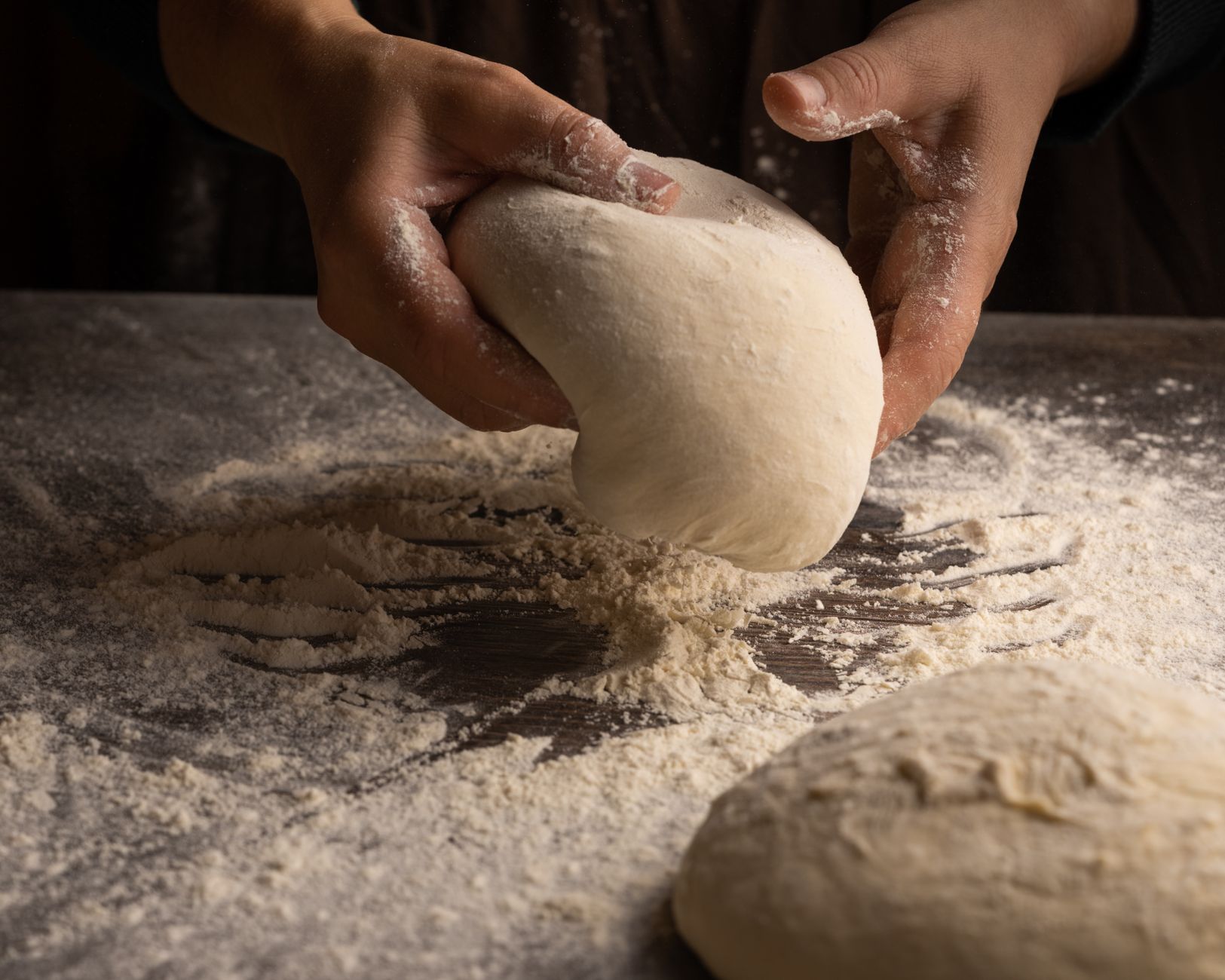
Gluten is a term often mentioned in dietary discussions, especially with the rise of gluten-free diets. Understanding what gluten actually looks like can help individuals make informed choices about the food they eat. Gluten is a protein found in wheat and related grains that plays a crucial role in the texture and structure of many baked products.
This article explores what gluten looks like in various raw and cooked food items, how to identify it in ingredients, and important allergy notes for those who need to avoid gluten for health reasons.
What Does Gluten Look Like?
Gluten itself is not visually identifiable as a distinct substance in most food products. Instead, it is a complex of proteins, particularly gliadin and glutenin, that exists in flour made from wheat and other grains. When flour is mixed with water and kneaded, these proteins form gluten, which gives dough its elasticity and ability to rise during baking.
In raw flour, gluten is no different from the rest of the powder. However, if you were to make a dough and then rinse it under water, the gluten would remain behind as a sticky, stretchy mass while the starch granules wash away. This provides a tangible representation of gluten as a slimy and elastic web.
Ingredients Containing Gluten
Identifying gluten-containing ingredients is essential for anyone with celiac disease or gluten sensitivity. The following grains and ingredients typically contain gluten:
- Wheat (including varieties like durum, spelt, and kamut)
- Barley
- Rye
- Any products derived from these grains, such as flour, pasta, and bread
- Some processed foods that may contain additives or flavorings derived from gluten-containing grains
Common Gluten-Containing Products
Beyond whole grains, gluten can be found in many common products, such as:
- Breads and baked goods (including pastries and cakes)
- Pasta and noodles
- Certain sauces (like soy sauce unless designated gluten-free)
- Beer and malt beverages
- Processed snacks (like pretzels and certain chips)
Identifying Gluten in Ingredients
Food labeling regulations require manufacturers to disclose the presence of gluten in packaged foods. This has made it easier for consumers to identify gluten-containing products. Look for the following on ingredient labels:
- The terms “wheat,” “barley,” and “rye” should be stated explicitly.
- Words like “gluten,” “hydrolyzed wheat protein,” or “wheat starch” signal the presence of gluten.
- Foods labeled as “gluten-free” must meet specific standards and contain less than 20 parts per million (ppm) of gluten.
Visual and Textural Indicators of Gluten
When evaluating gluten in food preparation, recognize the following visual cues:
- Dough Texture: When gluten is developed in dough, it becomes smooth, elastic, and stretchy. It should not tear easily when pulled.
- Chewiness: Cooked pasta and bread made from wheat will have a chewy texture, admirable due to gluten.
- Air Pockets: Baked goods that rise well will have an airy crumb structure; this is partly due to the elasticity of gluten allowing gas from yeast to expand.
Gluten-Free Alternatives
For those who avoid gluten, various alternatives can offer similar textures and flavors. Here are some options:
- Gluten-Free Flours: Almond flour, coconut flour, rice flour, and chickpea flour are popular options.
- Gluten-Free Grains: Quinoa, corn, and millet can be used in various dishes.
- Binders and Thickeners: Psyllium husk, xanthan gum, and guar gum can help mimic gluten-like properties.
Substitution Ratios for Gluten-Free Baking
When substituting gluten-free options in baking, the ratios can vary. For example:
| Gluten-Free Flour | Substitution Ratio |
|—————————|————————–|
| Almond Flour | 1:1 for all-purpose flour|
| Coconut Flour | 1:4 (use less and add more liquids) |
| Brown Rice Flour | 1:1 |
Experimenting with blends of gluten-free flours often yields the best results, particularly for baked goods.
Cooking Techniques for Gluten-Free Cooking
When preparing meals without gluten, a few techniques can enhance the final dish’s flavor and texture:
- Hydration: Gluten-free flour often requires additional moisture. Keep this in mind while mixing batters or dough.
- Mixing: Over-mixing can lead to dense textures in gluten-free baked goods, so mix just until combined.
- Cooking Times: Gluten-free recipes may require adjusting cooking times and temperatures, so keep an eye on doneness.
Common Mistakes When Cooking Without Gluten
Transitioning to gluten-free cooking can pose challenges. Here are some common pitfalls to avoid:
- Not using a combination of gluten-free flours, leading to undesirable texture.
- Failing to add enough binding agents, resulting in crumbles instead of cohesive mixes.
- Expecting gluten-free products to behave exactly like their gluten-containing counterparts in cooking and baking.
Allergy Notes and Safety Tips
Celiac disease and gluten sensitivity are serious conditions. Here are important allergy notes to consider:
- Cross-Contamination: Ensure that cooking and serving utensils are thoroughly cleaned to avoid cross-contamination with gluten-containing foods.
- Read Labels: Always check labels, even for products that seem unlikely to contain gluten.
- Consult Medical Professionals: Seek advice and guidance from healthcare professionals regarding dietary restrictions and gluten sensitivity.
Cooking and Baking Gluten-Free
When embarking on gluten-free cooking and baking, remember that the heart of the process remains similar to traditional cooking, albeit with a few adjustments. Here’s how you can approach it:
Step-by-Step for Gluten-Free Bread
- Gather Ingredients: Use gluten-free flour, yeast, water, sugar, salt, oil, and any binding agents.
- Mix Dry Ingredients: Combine gluten-free flour, yeast, sugar, and salt in a bowl.
- Add Wet Ingredients: Mix in warm water and oil until well combined. The dough will appear different — it may be thicker and less elastic than traditional dough.
- Knead: Knead the dough gently, being cautious not to overdo it. You may need to keep it slightly wetter than traditional dough.
- Let it Rise: Allow the dough to rise until it doubles in size.
- Bake: Preheat the oven, then bake for the time specified in your recipe. Look for a golden brown crust and hollow sound when tapped.
Storage and Shelf Life for Gluten-Free Products
Storing gluten-free products correctly is crucial for maintaining freshness:
- Store gluten-free flours in airtight containers in a cool, dry place to prolong shelf life.
- Baked goods should ideally be consumed within a few days; however, freezing them can extend their usability.
- Always check for rancidity or off smells in gluten-free flours and mixes.
Popular Gluten-Free Recipes
For those looking to explore gluten-free cooking further, here are some popular recipes that highlight gluten-free ingredients:
- Gluten-Free Pancakes: Fluffy and quick, made with almond flour and eggs.
- Chickpea Flour Frittata: A savory option packed with protein.
- Quinoa Salad: A refreshing dish rich in flavor and suitable for any meal.
With these recipes, you can appreciate the nuances of cooking without gluten, all while enjoying delicious meals and snacks.
This exploration of gluten showcases its importance in traditional cooking while providing routes for alternatives. Understanding what gluten looks like and how to manage it in your kitchen is key in navigating food allergies and preferences effectively.
Finally, you might want to learn more about whether potatoes contain gluten or the difference between bleached and unbleached flour to deepen your culinary knowledge. Explore those topics further with: Is There Gluten in Potatoes? and Difference Between Bleached and Unbleached Flour.