
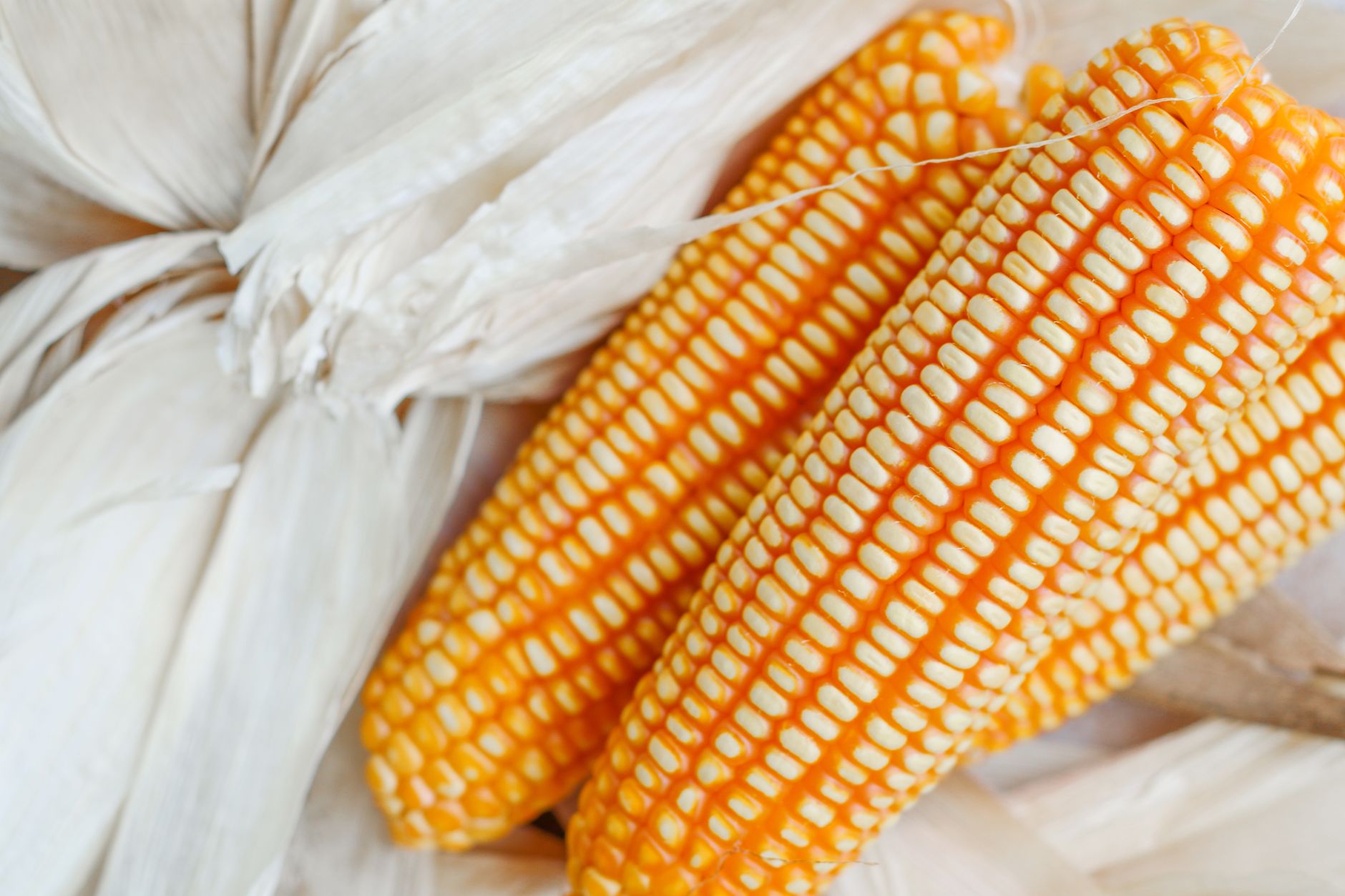
The distinction between corn flour and corn starch often confuses many home cooks. While they both derive from corn and serve as thickening and binding agents in cooking, their differences in composition and applications are noteworthy. Understanding these differences can elevate your cooking skills and ensure your recipes turn out perfectly.
This article delves into the characteristics, uses, and culinary implications of corn flour and corn starch, clearing any confusion you may have while also providing practical guidance on how to use these ingredients in your kitchen.
Is Corn Flour Corn Starch?
No, corn flour is not corn starch; they are separate products with distinct properties and uses. Corn flour is made by grinding whole corn kernels into a fine powder, whereas corn starch is derived from the starchy part of the corn kernel, which is extracted and then processed to create a fine white powder.
Understanding Corn Flour
Corn flour is produced by grinding the entire kernel of corn, including the hull, germ, and endosperm. This makes it a whole grain product, rich in fiber and nutrients. It typically has a yellow color and is finely milled.
Flavor and Texture
Corn flour has a mild, sweet corn flavor and a slightly gritty texture compared to wheat flour. The taste blends well in various dishes, adding a depth of flavor, especially in baked goods.
Culinary Uses
Corn flour is versatile and can be used in various applications, including:
- Making cornbread and muffins.
- Coating meats and vegetables for frying.
- Thickening sauces and soups.
- Creating gluten-free recipes, such as pancakes and tortillas.
Selecting and Storing Corn Flour
When choosing corn flour, look for finely ground options, preferably labeled as “whole corn flour.” It’s best stored in a cool, dry place, and can typically last up to a year when sealed properly. If opened, refrigeration can prolong freshness.
Understanding Corn Starch
Corn starch, on the other hand, is a refined product made exclusively from the starchy endosperm of the corn kernel. It has a fine, white consistency and is usually flavorless, making it an ideal thickening agent.
Flavor and Texture
Corn starch lacks the rich flavor profile of corn flour and has a silky, powdery texture. It forms a gel-like substance when mixed with liquid and heated, which is why it’s a popular thickener in many recipes.
Culinary Uses
Corn starch serves multiple culinary functions, including:
- Thickening gravies, sauces, and puddings.
- Providing a crispy coating for fried foods.
- Acting as a stabilizer in recipes like mousses and custards.
- Enhancing the texture of baked goods.
Selecting and Storing Corn Starch
When shopping for corn starch, confirm it’s pure and free from additives. Store it in a cool, dry area and use it within a few years for the best results.
Key Differences Between Corn Flour and Corn Starch
While both corn flour and corn starch come from corn, their differences can affect the outcome of your recipes significantly. Here are the main distinctions:
1. Composition
Corn flour contains the entire kernel, making it nutrient-rich, while corn starch contains only the starchy part, offering fewer nutrients.
2. Flavor
The rich, sweet flavor of corn flour is absent in the bland, neutral corn starch, making corn flour preferable for recipes that require a corn taste.
3. Thickening Power
Corn starch is an excellent thickener, thickening sauces and soups with a clearer finish than corn flour, which may add color and texture.
4. Culinary Applications
Use corn flour in baked goods and batters for enhanced flavor. Corn starch is typically reserved for thickening and crisping.
5. Gluten-Free Status
Both corn flour and corn starch are naturally gluten-free. For those following a gluten-free diet, these ingredients offer excellent substitutes for traditional wheat products.
How to Substitute Corn Flour for Corn Starch and Vice Versa
Substituting one for the other can be tricky, but it is doable with some adjustments. Here’s a general guideline:
Substituting Corn Starch for Corn Flour
To use corn starch in place of corn flour, you need to account for its thicker consistency and lack of flavor. A common ratio is:
- Use 1 tablespoon of corn starch for every 2 tablespoons of corn flour.
This is ideal for recipes where you want to maintain the thickening quality without adding corn flavor.
Substituting Corn Flour for Corn Starch
When replacing corn starch with corn flour, keep in mind it will alter the texture and appearance of the dish, as well as its thickening ability. A typical ratio is:
- Use 2 tablespoons of corn flour for every 1 tablespoon of corn starch.
However, be prepared for a more opaque final product, which is great for thicker sauces or gravies but may not work for all applications.
Practical Cooking Tips with Corn Flour and Corn Starch
Using corn flour and corn starch effectively can enhance your cooking. Here are some tips to keep in mind:
Working with Corn Flour
- To avoid clumping, sift corn flour before measuring.
- When making batter, ensure your liquid ingredients are well incorporated to prevent dryness.
- During frying, corn flour provides a lovely golden crust. Combine it with other flours for texture variations.
Working with Corn Starch
- Always mix corn starch with a cold liquid before adding it to a hot mixture to prevent lumps.
- Be careful not to overheat once corn starch has been added, as it can cause the starch to break down and lose thickening power.
- For a crispier texture when frying, use a corn starch coating on meats and vegetables.
Common Mistakes to Avoid
When using corn flour and corn starch, several mistakes can lead to less-than-desirable results. Here are some to avoid:
1. Confusing the Two
One of the most common errors is confusing corn flour for corn starch and vice versa. Keep them in separate storage containers to avoid mix-ups.
2. Incorrect Measurement
Measuring by weight instead of using a measuring cup may lead to inaccurate ratios. Always use the appropriate measurement for successful results.
3. Not Considering Texture
In recipes that require a light, fluffy texture, substituting corn flour for corn starch can create a denser result. Be mindful of texture preferences when making substitutions.
Conclusion
The distinction between corn flour and corn starch may seem subtle, yet it has significant implications for cooking and baking. Understanding their unique features is crucial for achieving the best results in your kitchen. Whether you’re thickening sauces with corn starch or baking cornbread with corn flour, both ingredients can be integral to your culinary repertoire.
As you explore the use of corn flour and corn starch in your cooking, consider examining other flour types and their applications. For further information, check out the difference between bleached and unbleached flour or try a delicious cornbread recipe with creamed corn. These resources can enhance your cooking knowledge and skills.