
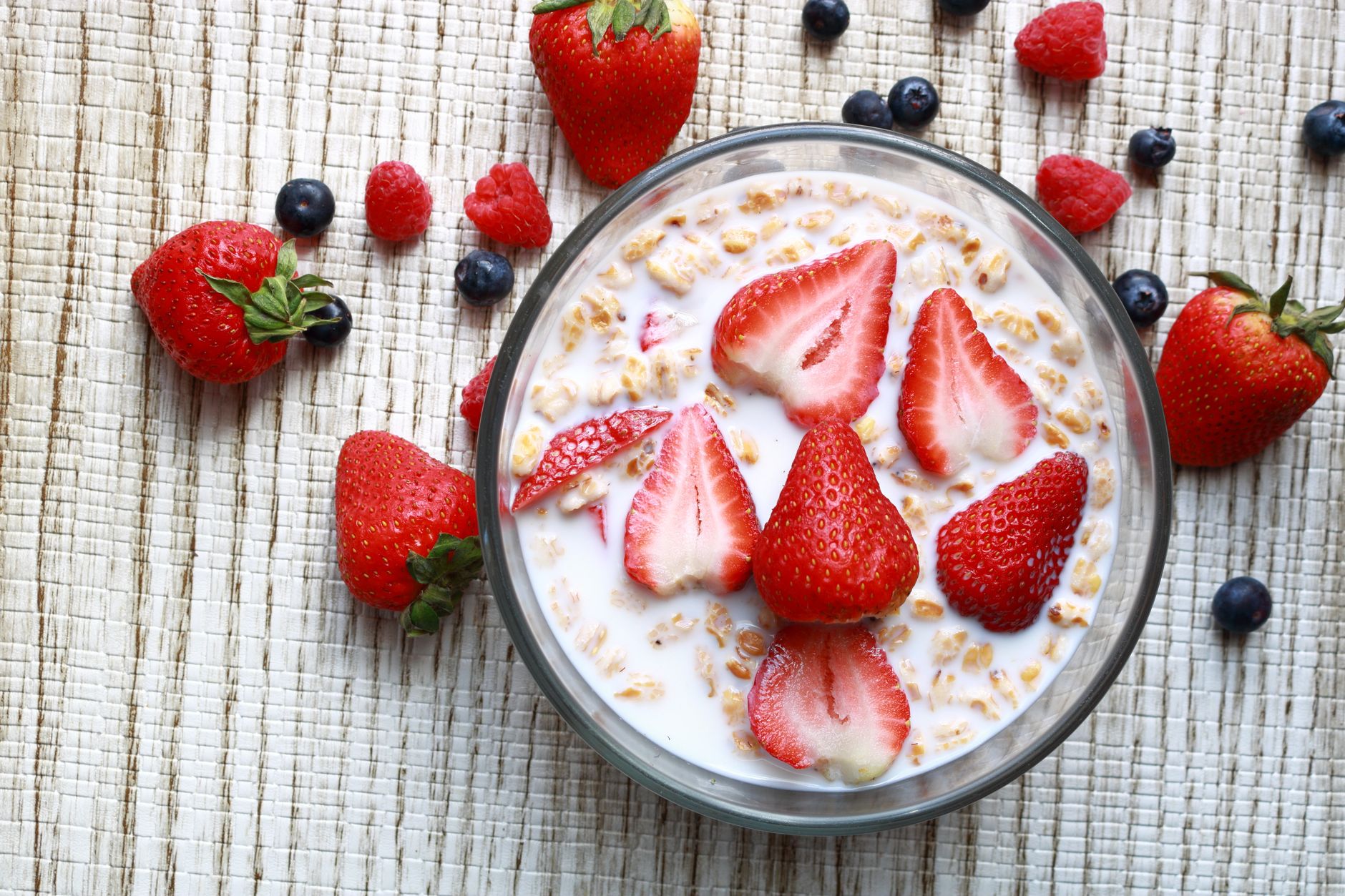
Managing cholesterol levels through diet can have a significant impact on heart health and overall well-being. With a focus on lowering cholesterol, certain foods stand out due to their beneficial properties. This guide will delve into various food groups, ingredients, and meal ideas that can help reduce cholesterol.
Understanding which foods are good for lowering cholesterol involves exploring those rich in soluble fiber, healthy fats, and antioxidants. By incorporating these foods into your daily meals, you can take steps toward a heart-healthy lifestyle.
What Food Is Good for Lowering Cholesterol?
A variety of foods can help lower cholesterol levels. Key players include oats, beans, nuts, olive oil, fatty fish, and plenty of fruits and vegetables. These foods work together to reduce LDL (bad cholesterol) while increasing HDL (good cholesterol). A balanced diet rich in these ingredients will contribute to improved cholesterol levels.
1. Oats and Whole Grains
Oats are an excellent source of soluble fiber, which can help lower LDL cholesterol. Whole grains like barley, brown rice, and whole wheat pasta also offer fiber and beneficial nutrients. Consuming a daily serving of oats can significantly impact cholesterol levels.
Health Benefits of Oats
- Rich in beta-glucan, a soluble fiber that helps lower cholesterol.
- Supports gut health and aids digestion.
- Provides sustained energy and may assist in weight management.
Incorporation Tips
– Start your day with oatmeal topped with fruits or nuts.
– Use whole grain flour instead of white flour in your baking.
– Incorporate barley in soups or salads for added texture.
2. Beans, Lentils, and Legumes
Beans, lentils, and other legumes are rich in soluble fiber and plant-based proteins. They not only help in lowering cholesterol but also stabilize blood sugar levels, making them a smart choice for anyone looking to improve their health.
Varieties to Consider
– Kidney beans
– Black beans
– Chickpeas
– Lentils
Health Benefits
- High in fiber, which helps lower LDL cholesterol.
- Rich in protein, making them a valuable meat alternative.
- Heart-healthy due to their low saturated fat content.
Meal Ideas
– Add beans to salads for protein and fiber.
– Use lentils in soups and stews as a hearty base.
– Make hummus with chickpeas for a nutritious snack.
3. Nuts and Seeds
Nuts and seeds are packed with healthy fats, fiber, and plant sterols that can positively affect cholesterol levels. Almonds, walnuts, flaxseeds, and chia seeds are particularly noteworthy for heart health.
Benefits of Nuts and Seeds
- Help reduce bad cholesterol without compromising good cholesterol levels.
- Provide essential vitamins and minerals.
- Contain omega-3 fatty acids effective in reducing heart disease risk.
Preparation Tips
– Enjoy a handful of nuts as a daily snack.
– Use nut butter on whole-grain bread or in smoothies.
– Sprinkle seeds on salads or yogurt for crunch.
4. Healthy Fats
Replacing saturated fats with healthier unsaturated fats can help lower cholesterol levels. Foods like olive oil and avocados are fantastic choices. They not only improve cholesterol profiles but also enhance flavor in dishes.
Choosing Healthy Fats
- Opt for extra virgin olive oil as a salad dressing or cooking oil.
- Include avocados in salads, sandwiches, or smoothies.
- Use nut oils like walnut or almond oil for drizzling over vegetables.
Cooking Suggestions
– Substitute butter and margarine with olive oil in cooking.
– Use avocado in place of mayonnaise in recipes.
– Blend avocados into creamy dressings.
5. Fatty Fish
Fatty fish such as salmon, mackerel, and sardines are rich in omega-3 fatty acids. These healthy fats can help lower overall cholesterol levels and improve heart health.
Fish to Include in Your Diet
– Salmon
– Mackerel
– Sardines
– Herring
Health Benefits
- Omega-3 fatty acids lower triglycerides and increase HDL cholesterol.
- Rich source of lean protein.
- Provides important nutrients like vitamin D and selenium.
Cooking Methods
– Bake or grill fish for a heart-healthy meal.
– Include fish in salads or stir-fries.
– Prepare fish tacos with fresh salsa for a colorful dish.
6. Fruits and Vegetables
Fruits and vegetables are essential for a cholesterol-lowering diet. They are packed with vitamins, minerals, antioxidants, and fiber, supporting overall health and aiding in cholesterol management.
Top Choices for Heart Health
– Apples
– Pears
– Berries
– Leafy greens
– Avocados
Ways to Incorporate More Produce
– Add fruit to your breakfast in smoothies or oatmeal.
– Incorporate large servings of vegetables in salads, stir-fry, or side dishes.
– Snack on raw veggies with hummus or guacamole.
7. Foods Fortified with Plant Sterols and Stanols
Plant sterols and stanols are natural substances found in small amounts in many grains, vegetables, fruits, legumes, nuts, and seeds. Foods fortified with these ingredients can help reduce cholesterol absorption in the intestines.
Common Fortified Foods
– Margarines
– Juices
– Yogurt drinks
– Snack bars
Benefits of Plant Sterols and Stanols
- Lower LDL cholesterol levels by blocking absorption.
- May improve heart health when consumed regularly.
- Safe for most people and can be easily included in a daily diet.
8. Foods to Avoid
While understanding what foods are beneficial, it is also crucial to identify those that may negatively impact cholesterol levels. Foods high in trans fats and saturated fats can increase LDL cholesterol levels and should be minimized.
Foods to Limit
- Fried foods
- Baked goods made with partially hydrogenated oils
- Processed snacks containing trans fats
- Fatty cuts of meat and full-fat dairy products
Healthier Alternatives
– Choose grilled or baked options instead of fried.
– Opt for low-fat dairy products.
– Select lean meat cuts and skinless poultry.
9. Sample Meal Plan for Lowering Cholesterol
A well-structured meal plan focusing on cholesterol-lowering foods can make healthy eating efficient and enjoyable. Here’s a simple one-day meal plan to consider.
Breakfast
- Oatmeal topped with berries and a tablespoon of chia seeds.
- Green tea or black coffee without added sugar.
Lunch
- Quinoa salad with black beans, diced bell peppers, and a lemon-olive oil dressing.
- Serve with a side of mixed greens topped with walnuts.
Snack
- A small handful of almonds and an apple.
Dinner
- Grilled salmon with roasted Brussels sprouts and sweet potatoes.
- Finish with a mixed berry salad for dessert.
Evening Snack
- A small bowl of Greek yogurt with flaxseeds and honey.
10. Practical Cooking Tips
When preparing meals to lower cholesterol, the cooking method and ingredient choices are essential. Here are some practical tips:
Cooking Techniques
- Grill, bake, or steam foods instead of frying.
- Use non-stick cookware to reduce added fats.
- Season foods with herbs and spices rather than heavy sauces or salt.
Ingredient Substitutions
– Swap sour cream with Greek yogurt in recipes.
– Use apple sauce in baking instead of oil or butter.
– Replace white rice with brown rice or quinoa for added fiber.
Batch Cooking
Preparing food in bulk can make healthy eating easier. Cook large portions of beans, grains, or vegetables and store them for quick meal assembly throughout the week.
Final Thoughts on Cholesterol Management
Incorporating foods that lower cholesterol while avoiding those that may elevate it can support heart health. A varied diet filled with whole foods, such as oats, beans, nuts, and fatty fish, can positively impact cholesterol levels. Remember, along with diet, maintaining an active lifestyle is crucial for overall health.
By making informed food choices, you can enjoy delicious meals while taking steps to manage your cholesterol and promote heart health effectively.
For a healthy and delicious treat, consider exploring the benefits of chia seeds in your meal prep with our Chia Pudding Recipe, or find out what makes chia seeds so beneficial. These recipes can enhance your dietary efforts while keeping meals enjoyable.