
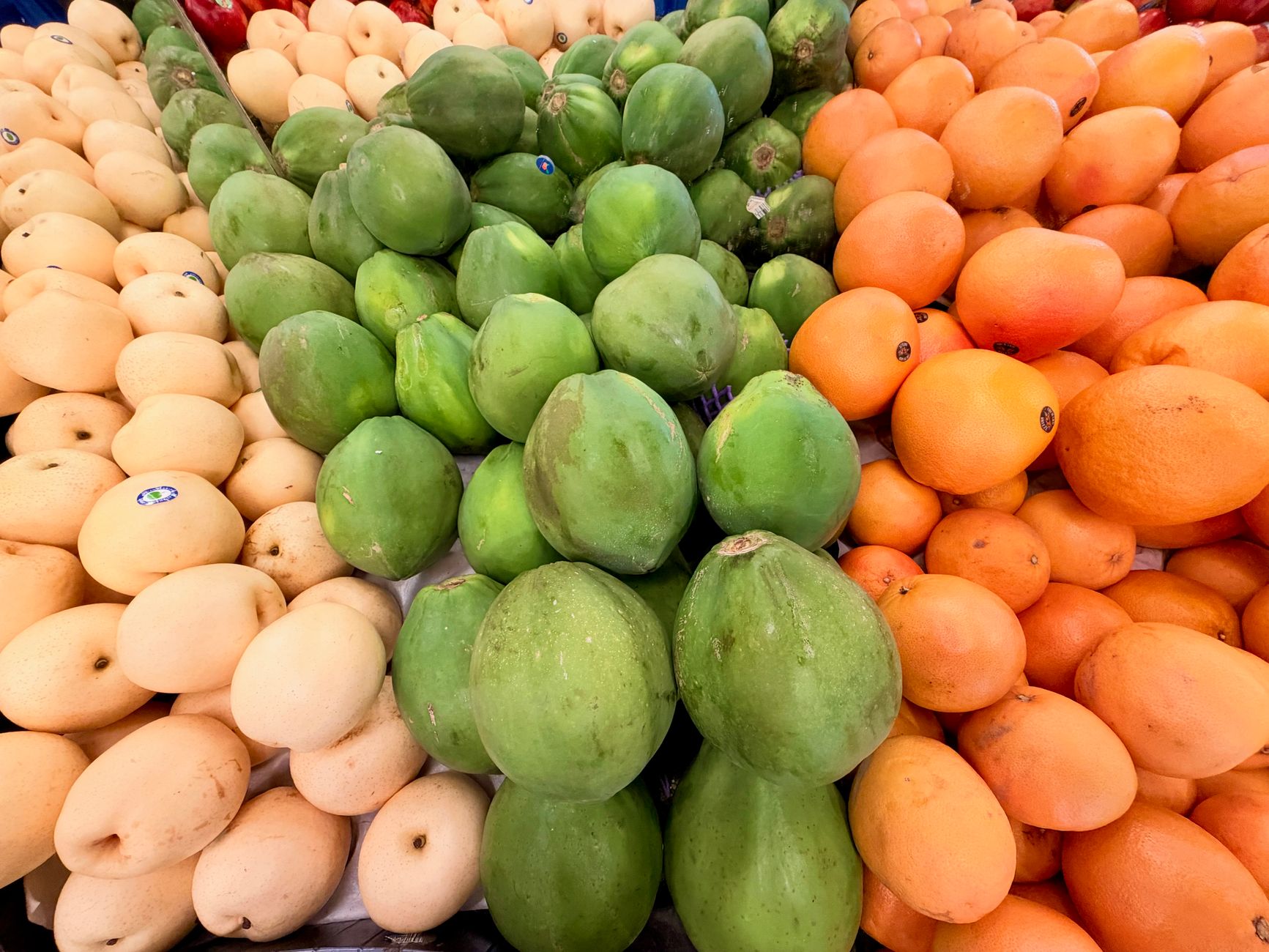
Papaya, a tropical fruit native to Central America, is celebrated not only for its flavor but also for its vibrant colors. Understanding the various colors of papaya can help you select the right fruit and appreciate its culinary applications. This article delves into the color characteristics of papaya, its uses, and serving ideas.
The flesh of papaya typically ranges from yellow to orange, with ripe papayas displaying a bright, inviting hue. The shade can offer clues about the fruit’s taste, ripeness, and best uses in cooking and baking.
What Color Is Papaya?
The common colors of papaya primarily include yellow and orange, although the outer skin can exhibit shades of green when unripe. As papayas ripen, the skin changes from green to a yellow or light orange hue. The flesh inside transitions from a pale yellow to a deep orange, with the latter typically indicating a sweeter taste. The color intensity is influenced by factors like variety, ripeness, and growing conditions.
Varieties of Papaya and Their Colors
Two main types of papaya are most popular: the Hawaiian papaya and the Mexican papaya. Both have unique color profiles.
Hawaiian Papaya
The Hawaiian variety, often the smaller of the two, tends to have a skin that turns from green to a lovely yellow-orange when ripened. Inside, the flesh is usually bright orange, known for its sweetness and soft texture. This makes Hawaiian papaya a choice option for fresh consumption or in smoothies.
Mexican Papaya
Mexican papaya, also known as “large papaya,” features a thicker skin that changes from green to a deeper yellow-orange upon ripening. Its flesh can range from yellow to vibrant orange and is often used in cooking due to its robust flavor profile. Mexican papayas tend to be larger than their Hawaiian counterparts, making them popular in salads, salsas, and desserts.
Papaya Nutrition and Health Benefits
Papaya is not only colorful but also nutrient-rich and low in calories. It’s an excellent source of vitamin C, vitamin A, folate, and dietary fiber. The vibrant orange color indicates high levels of carotenoids, which are beneficial antioxidants.
Additionally, papaya contains the enzyme papain, which aids digestion and can be beneficial for tenderizing meat in culinary applications. Eating papaya can help support the immune system, improve digestion, and promote healthy skin.
Culinary Uses of Papaya
The color of papaya indicates its best culinary uses, ranging from salads to desserts. Understanding how to select papaya based on its color can enhance your cooking experience.
Fresh and Raw
Ripe papayas are perfect for eating raw. The sweet flesh can be enjoyed on its own or combined with other fruits to create refreshing fruit salads. The contrasting colors of papaya with other fruits, like berries or kiwi, create visually appealing dishes.
Smoothies and Juices
The vibrant orange pulp of papaya makes it an excellent ingredient for smoothies. When blended, it produces a creamy texture and sweet flavor. Combine ripe papaya with yogurt, spinach, or tropical fruits like pineapple for a nutrient-packed drink.
Salads
Papaya adds a unique sweetness to salads. Incorporate it into a tropical salad with fresh greens, nuts, and citrus dressing. The bright color of papaya enhances the visual appeal of the dish, making it perfect for summer barbecues.
Cooking with Papaya
While most people are familiar with eating papaya raw, it can also be cooked. Green papaya, which has a firmer texture, is often used in Asian cuisines. When shredded, it can be used in salads or stir-fries, offering a crunchy texture and a subtle flavor.
Desserts
Ripe papaya is naturally sweet and works well in desserts. It can be made into sorbets, or blended into creamy desserts. Consider using papaya in cakes or muffins for a tropical twist.
How to Select and Store Papaya
Proper selection and storage of papaya can ensure that you enjoy it at its peak flavor and color.
Selecting Ripe Papaya
- Color: A ripe papaya should have a yellow or orange skin. Avoid fruit with excessive green spots.
- Feel: Gently squeeze the papaya; it should yield slightly to pressure, indicating ripeness.
- Aroma: Ripe papayas often emit a sweet tropical scent. If they smell bland, they may be under-ripened.
Storing Papaya
To store ripe papaya, keep it in the refrigerator to maintain freshness for several days. Whole unripe papaya can be left at room temperature until it ripens, after which it should be refrigerated. Cut papaya should be wrapped in plastic wrap and consumed within a couple of days for optimal flavor.
Color Variations in Papaya Recipes
The color of papaya influences its visual impact in dishes. Here are some ideas to explore using this tropical fruit.
Papaya and Avocado Salad
This salad pairs ripe orange papaya with green avocado, creating a beautiful contrast.
- 1 ripe papaya, diced
- 1 avocado, diced
- Juice of 1 lime
- Salt and pepper to taste
- Fresh cilantro for garnish
- In a bowl, combine the diced papaya and avocado.
- Squeeze fresh lime juice over the mixture and season with salt and pepper.
- Toss gently to combine and garnish with cilantro.
Papaya Salsa
Papaya salsa works wonderfully as a fresh topping for grilled fish or served with tortilla chips.
- 1 small ripe papaya, diced
- 1/2 red onion, finely chopped
- 1 jalapeño, seeded and minced
- Juice of 2 limes
- 1/4 cup chopped fresh cilantro
- Salt to taste
- In a bowl, combine the diced papaya, red onion, and jalapeño.
- Pour lime juice over the mixture, add cilantro, and season with salt.
- Chill for at least 30 minutes before serving.
Papaya Substitutions and Alternatives
If you find yourself without papaya for a recipe, consider these substitutions based on flavor and texture.
- Mango: Offers sweetness and a similar texture; red or yellow varieties carry comparable flavor profiles.
- Peach: Fresh peaches can work in desserts or salads, adding sweetness and juiciness.
- Butternut Squash: For cooked dishes using green papaya, shredded or diced butternut squash can provide a similar texture, though the flavor will differ.
Common Mistakes When Using Papaya
Understanding the common pitfalls can help you fully utilize this tropical fruit.
Overripe Papaya
Overripe papaya can develop a fermented flavor and an extremely mushy texture. Choose your fruit carefully, and consume ripe papaya within a few days of ripening.
Cooking Ripe Papaya
Cooking ripe papaya can produce an undesired texture. If using papaya in cooked dishes, opt for green papaya instead, as it maintains its firmness.
Ignoring the Seeds
The seeds of papaya are edible and have a peppery flavor. They can be ground and used as a seasoning. Discarding them entirely reduces the fruit’s potential versatility.
Papaya Cooking Techniques
Incorporating papaya into your cooking requires some techniques to enhance its flavor and usability.
Preparation Techniques
- Peeling: Use a vegetable peeler to remove the skin. Be careful not to remove too much flesh.
- Removing Seeds: Cut the papaya in half lengthwise, scoop out the seeds with a spoon.
- Cutting: Cut into cubes, wedges, or slices depending on your dish’s needs.
Cooking Methods
- Roasting: Green papaya can be cubed and roasted, enhancing its natural sweetness.
- Sautéing: Shredded green papaya can be quickly sautéed with spices for a flavorful dish.
- Steaming: Steaming green papaya can maintain its nutrients while softening its texture.
Flavor Pairings with Papaya
Understanding which flavors complement papaya can widen its use in your kitchen.
- Citrus: Lime, lemon, or orange juice can elevate the flavor of papaya dishes.
- Spices: Ginger, chili, and cilantro pair well, especially in salsas and salads.
- Nuts: Walnuts and almonds add a crunch and contrasting flavor to papaya dishes.
Conclusion
Papaya is not only a visually stunning fruit with its vibrant colors but also a versatile ingredient in many dishes. Understanding its color characteristics, nutritional benefits, and culinary uses can elevate your cooking and meal-planning experience.
Now that you know about the colors and uses of papaya, consider experimenting with it in your next recipe. Explore related recipes, cooking tips, or food guides to further expand your culinary repertoire. You might find interesting insights in guides like what molasses is made from or the taste of saffron.