
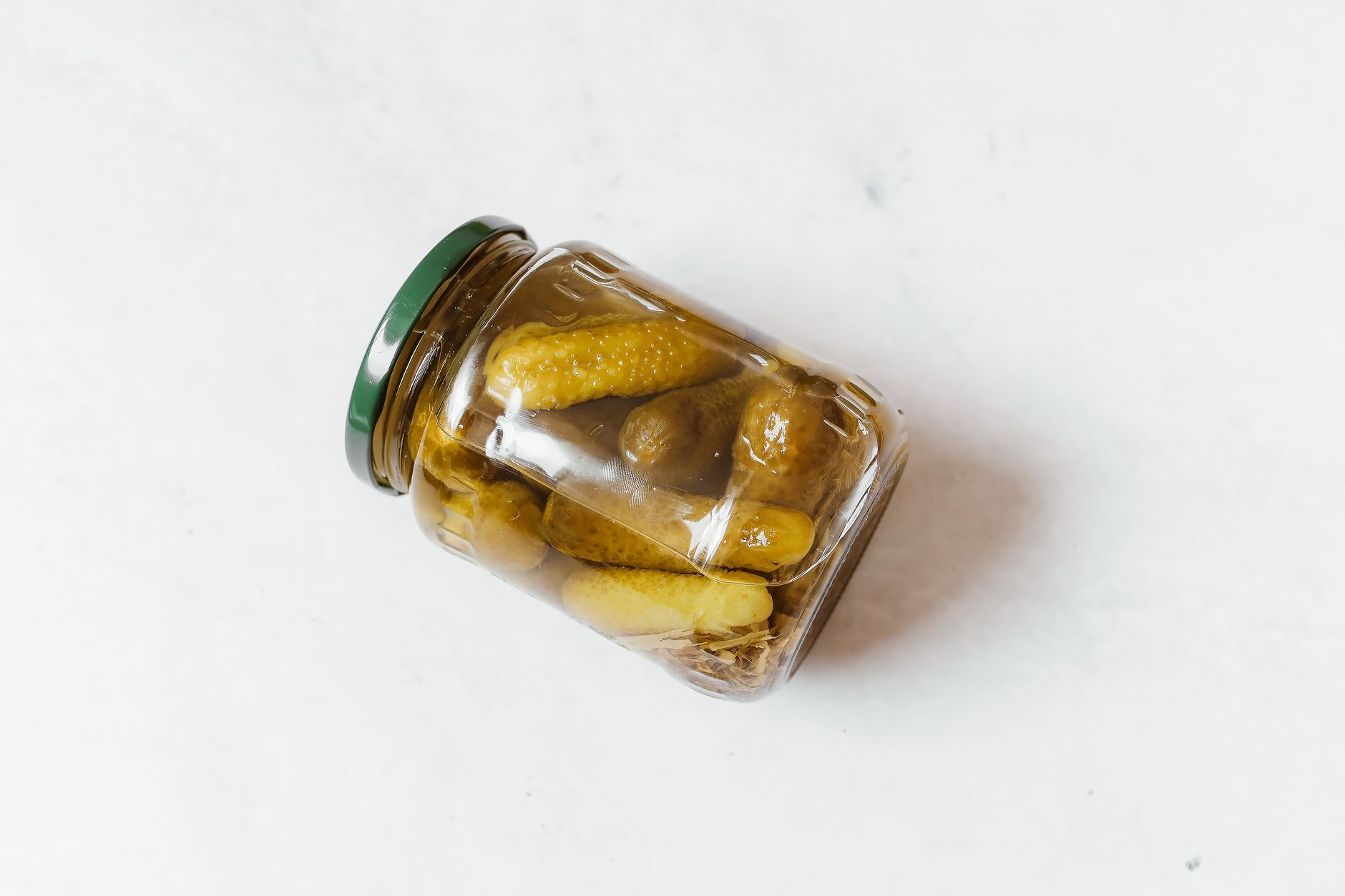
Making pickles at home is a delightful way to preserve vegetables and enjoy their flavors year-round. An essential ingredient in achieving the perfect crunch in pickles is Pickle Crisp, a commercially available calcium chloride product that enhances texture. But how much of this ingredient should you add per pint? Knowing the right quantity can elevate your pickling game.
In this guide, we’ll explore what Pickle Crisp is, how much to use per pint of produce, and important tips for the pickling process. Let’s dive in and get your pickling endeavors underway!
How Much Pickle Crisp Per Pint?
For every pint of pickles you are preparing, the general guideline is to add 1/2 teaspoon of Pickle Crisp. This quantity helps maintain the crunchiness of the vegetables without affecting the taste or quality of your pickles.
Understanding Pickle Crisp
Pickle Crisp, also known as calcium chloride, is a firming agent that has been used in food preservation for many years. It helps maintain the crisp texture of pickled vegetables by reinforcing their cell structure. Here are some important points to understand about Pickle Crisp:
- Crisping agent: Unlike some other ingredients, Pickle Crisp does not change the flavor of your pickles.
- Safe and effective: It is recognized as safe for consumption and is commonly used in the food industry.
- Availability: You can find it in most grocery stores, often in the canning aisle or specialty food sections.
The Basics of Pickling
Before discussing quantities, it’s essential to understand the basic process of pickling. Pickling involves soaking vegetables in a mixture of vinegar, water, salt, and spices. This method not only preserves the produce but also infuses it with delicious flavors.
Common Vegetables for Pickling
Numerous vegetables can be pickled, including:
- Cucumbers
- Carrots
- Cauliflower
- Onions
- Beets
- Radishes
Basic Pickling Recipe
While the focus here is on how much Pickle Crisp to use, a basic pickling recipe will provide context for how to integrate this ingredient.
Ingredients
- 2 cups of your chosen vegetable (sliced or chopped)
- 1 cup white vinegar
- 1 cup water
- 1 tablespoon pickling salt
- 1/2 teaspoon Pickle Crisp per pint
- Optional spices (e.g., garlic, dill, mustard seeds)
Instructions
- Prepare your vegetables. Wash, peel, and slice them according to your preference.
- In a pot, combine the vinegar, water, and pickling salt. Bring the mixture to a boil.
- While the brine is heating, pack the vegetables into sterilized pint jars, leaving about 1/2 inch of headspace.
- Add 1/2 teaspoon of Pickle Crisp to each jar of vegetables.
- Pore the hot brine over the packed vegetables, ensuring they are fully submerged.
- Seal the jars with sterilized lids and process them in a boiling water bath for about 10 minutes.
- Remove the jars from the pot and let them cool completely before storing in a cool, dark place.
How to Measure and Use Pickle Crisp Properly
Incorporating the correct amount of Pickle Crisp is crucial for achieving that perfect crunch in your pickles. Here’s how to measure and use it correctly:
1. Measuring
Measuring out 1/2 teaspoon can easily be done using a standard measuring spoon. Be sure to level off the spoon for an accurate measurement.
2. Mixing
When adding Pickle Crisp to your jars, it’s best to do so before pouring in the hot brine. This method allows the calcium chloride to disperse evenly throughout the liquid and reach all the vegetables.
Practical Tips for Successful Pickling
Here are some additional tips to ensure your pickling endeavors are successful:
- Use fresh vegetables: The fresher your produce, the better your pickles will taste.
- Sterilize jars: Always use sterilized jars and caps to prevent contamination.
- Adjust seasoning: Feel free to experiment with different spices for unique flavor profiles.
- Label your jars: Include the date and contents on labels for easy identification.
- Cool slowly: After processing, let the jars cool slowly at room temperature to ensure proper sealing.
Storage and Shelf Life of Pickled Products
Once your pickles are ready, store them in a cool, dark place. Properly sealed and stored, homemade pickles can last up to a year. Always check for signs of spoilage before using them, such as off-smells or bulging lids.
Refrigerating Pickles
If you choose to refrigerate your pickles rather than process them, they will last about 1-2 months. Just remember to keep them submerged in the brine.
Common Mistakes to Avoid
Learning from common pitfalls can save you time and ingredients. Here are mistakes you should avoid:
- Overcrowding jars: Make sure to leave enough headspace, ideally 1/2 inch, to allow for expansion during processing.
- Ignoring recipes: Picking up details about different recipes can enhance flavor, so avoid strictly following one method without consideration.
- Skipping the water-bath process: For long-term storage, always process jars in a boiling water bath to create a vacuum seal.
Exploring Variations in Pickling
If you’re in the mood for experimentation, consider these variations on traditional pickling:
Spicy Pickles
Add sliced jalapeños or red pepper flakes to your brine for a spicy twist that gives your pickles an exciting kick.
Sweet Pickles
Incorporate sugar into your brine to create sweet pickles. A basic ratio to start with is about 1/4 to 1/2 cup of sugar per quart of brine.
Herb-Infused Pickles
Fresh herbs like dill, thyme, or rosemary can add unique flavors. Simply toss in a few sprigs into each jar before adding the brine.
Pickle Crisp Alternatives
If you don’t have Pickle Crisp or wish to explore alternatives, consider these options:
- Alum: Another traditional firming agent, though it requires careful measurement and can impart a slight metallic taste if used excessively.
- Fresh produce: Using fresher and crisper vegetables may naturally enhance crunch.
- Canning method: For certain vegetables, utilizing hot pack methods can also help reinforce texture.
Frequently Asked Questions
Can I use Pickle Crisp in any pickling recipe?
Yes, you can use Pickle Crisp in most pickling recipes. Just follow the guideline of 1/2 teaspoon per pint for best results.
What happens if I use too much Pickle Crisp?
Using too much Pickle Crisp can result in unpleasant crunchiness and potentially affect the texture of your final product.
Is Pickle Crisp necessary for all pickling?
No, it’s not necessary for all pickling. Many traditional recipes do not use it but relying on it can ensure a sturdier product.
Conclusion
A perfect pickle can elevate any meal or serve as a delicious snack. Remember that using 1/2 teaspoon of Pickle Crisp per pint is essential for maintaining that sought-after crunch. With the right techniques and a little practice, your homemade pickles will impress all who try them.
Explore related recipes to expand your pickling knowledge, such as this half-sour pickle recipe or learn how to create a unique pickle martini. Happy pickling!