
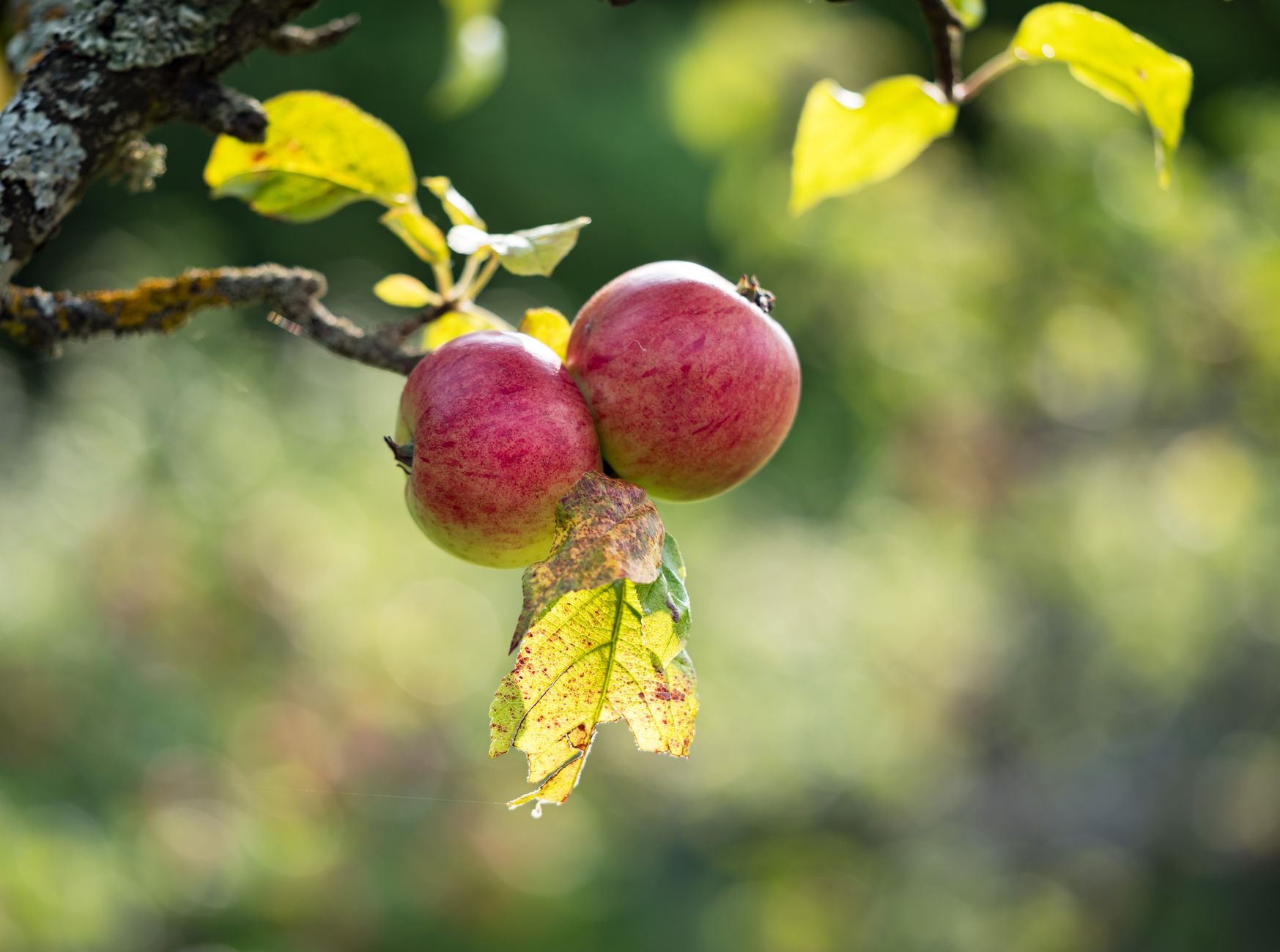
Apples are one of the most beloved fruits globally, celebrated for their sweet and tangy flavors, versatility, and health benefits. Understanding when apples ripen can elevate your cooking and baking experiences, maximizing flavor and texture. This article will cover the ripening process of apples, factors affecting ripening, peak season information, buying tips, and the best storage practices for keeping apples fresh.
Whether you enjoy them fresh, in desserts, or as part of savory dishes, knowing how to choose and handle apples will ensure your culinary endeavors shine. Let’s explore when apples ripen and how to make the most of this delightful fruit.
When Do Apples Ripen?
Apples generally ripen late summer through fall, depending on the variety and local climate conditions. Most varieties reach peak ripeness between late summer and early October. However, the ripening process can vary significantly, so understanding specific varieties is essential for optimal flavor.
Understanding Apple Ripening
Ripening is a natural process that fruits undergo to signal readiness for consumption. Several factors help determine the ripening stage of apples, including:
- Hormonal Changes: Ethylene gas production increases as apples ripen, initiating color, flavor, and texture changes.
- Environmental Factors: Temperature, humidity, and light exposure affect ripening speed. Cooler temperatures can slow down ripening.
- Varietal Characteristics: Different apple types ripen at distinct times, with some maturing early and others late in the season.
Varieties and Their Ripening Periods
Not all apples are created equal in terms of ripening. Here are several popular apple varieties and their typical ripening times:
| Apple Variety | Ripening Time |
|---|---|
| Granny Smith | Late September to early October |
| Honeycrisp | Mid to late September |
| Fuji | Late September to October |
| Gala | Early to mid-September |
| McIntosh | Mid September |
Signs of Ripeness
Knowing when apples are ripe can be tricky. Here are some signs to look for when selecting apples:
- Color: Ripe apples typically exhibit a vibrant color specific to their variety. For example, a red apple like the Red Delicious should be a deep garnet, while Granny Smith apples turn from green to a lighter shade as they ripen.
- Firmness: A ripe apple will be firm but give slightly when pressed. If it’s too hard, it may not be ripe; if it’s too soft, it may be overripe.
- Aroma: A sweet, fruity aroma signifies that the apple is ripe. When apples emit their characteristic scent, they are often at their peak.
- Ease of Picking: Ripe apples detach easily from the tree; they require minimal effort to pick.
- Internal Texture and Flavor: Once cut, ripe apples will have a crisp texture and a balanced sweetness with some tartness, depending on the variety.
Peak Season for Apples
The peak season for apples can vary by region, but generally, the best time to enjoy fresh apples is from late summer to early fall. Here’s a month-by-month breakdown of when you can expect different apple varieties to be available:
- August: Early varieties such as Gala and Paula Red begin appearing.
- September: Most popular varieties, including Honeycrisp and Fuji, are harvested this month.
- October: Late-season apples like Granny Smith and Golden Delicious become more common.
- November and Beyond: While the fresh picking ends, many varieties can still be stored and enjoyed for several months, depending on storage conditions.
Buying Apples: Tips for Selecting the Best
When shopping for apples, being knowledgeable can help you make better choices. Here are some helpful tips:
- Choose Fresh Produce: Look for apples that are free of bruises, blemishes, and soft spots. The skin should be smooth and taut.
- Buy In Season: Purchase apples that are in season for optimal flavor. Off-season apples may lack taste and texture.
- Know Your Varieties: Understand the differences in flavor and use between apple varieties. Some are better for baking, while others excel as fresh snacks.
- Check for Aroma: A strong apple scent indicates freshness and ripeness.
- Local vs. Imported: If available, opt for locally grown apples. They are typically fresher and more flavorful than imported options.
Storing Apples: Best Practices
Preserving the freshness and flavor of apples is essential for enjoying them long after they’ve been harvested. Proper storage practices can prolong their shelf life:
- Refrigeration: Store apples in the refrigerator to retain their crispness and flavor. They are best kept in the crisper drawer, away from strong-smelling foods.
- Room Temperature: If consuming within a few days, apples can be kept at room temperature, away from heat and sunlight.
- Avoid Ethylene Producers: Keep apples away from other fruits like bananas, avocados, or tomatoes, which produce ethylene gas that speeds up ripening.
- Check Regularly: Inspect stored apples regularly for any signs of spoilage. Remove any affected apples to prevent them from affecting others.
Creative Ways to Enjoy Apples
Apples can be featured in various dishes, enhancing both sweet and savory recipes. Here are some delightful ways to incorporate apples into your meals:
- Fresh Salads: Add sliced apples to salads for a burst of sweetness and crunch. They pair well with nuts and cheese.
- Baking: Use apples in pies, crisps, or tarts for a classic dessert. They add moisture and flavor to baked goods like muffins or cakes.
- Applesauce: Homemade applesauce is an excellent way to utilize overripe apples and makes a healthy snack or dessert component.
- Slices with Nut Butter: Crisp apple slices dipped in almond or peanut butter create a nutritious snack.
- Savory Dishes: Incorporate apples into savory recipes, such as roasted pork or apple-stuffed chicken, for a sweet contrast.
Apple Preservation Techniques
If you’re looking to enjoy apples well beyond their season, consider preservation methods such as:
- Canning: Process apples into jams or jellies to create a flavorful spread. Follow tested canning guidelines to ensure safety.
- Freezing: Slice apples and freeze them for later use in smoothies or baking. Blanching before freezing can help maintain texture.
- Dehydrating: Making dried apple chips is an excellent way to extend shelf life and create a crunchy snack.
Common Mistakes to Avoid
While handling apples, avoid these common mistakes to ensure the best flavor and freshness:
- Storing with Other Produce: Apples can produce ethylene gas, which can spoil nearby fruits quicker. Keep them separate.
- Ignoring Temperature: Allowing apples to sit in a warm environment can result in faster spoilage.
- Exposing to Sunlight: Sun exposure can cause apples to lose moisture and develop off-flavors.
- Not Washing Before Storage: Wash apples to remove pesticides and wax before storing them to maintain quality.
Conclusion
Understanding the ripening process of apples and the various factors influencing it can significantly enhance your culinary experience. Knowing how to select, store, and enjoy them allows you to maximize their flavor and nutrition. To make the most of apple season, experiment with various recipes and preservation techniques to savor this fruit year-round.
Explore more delicious options such as making: