
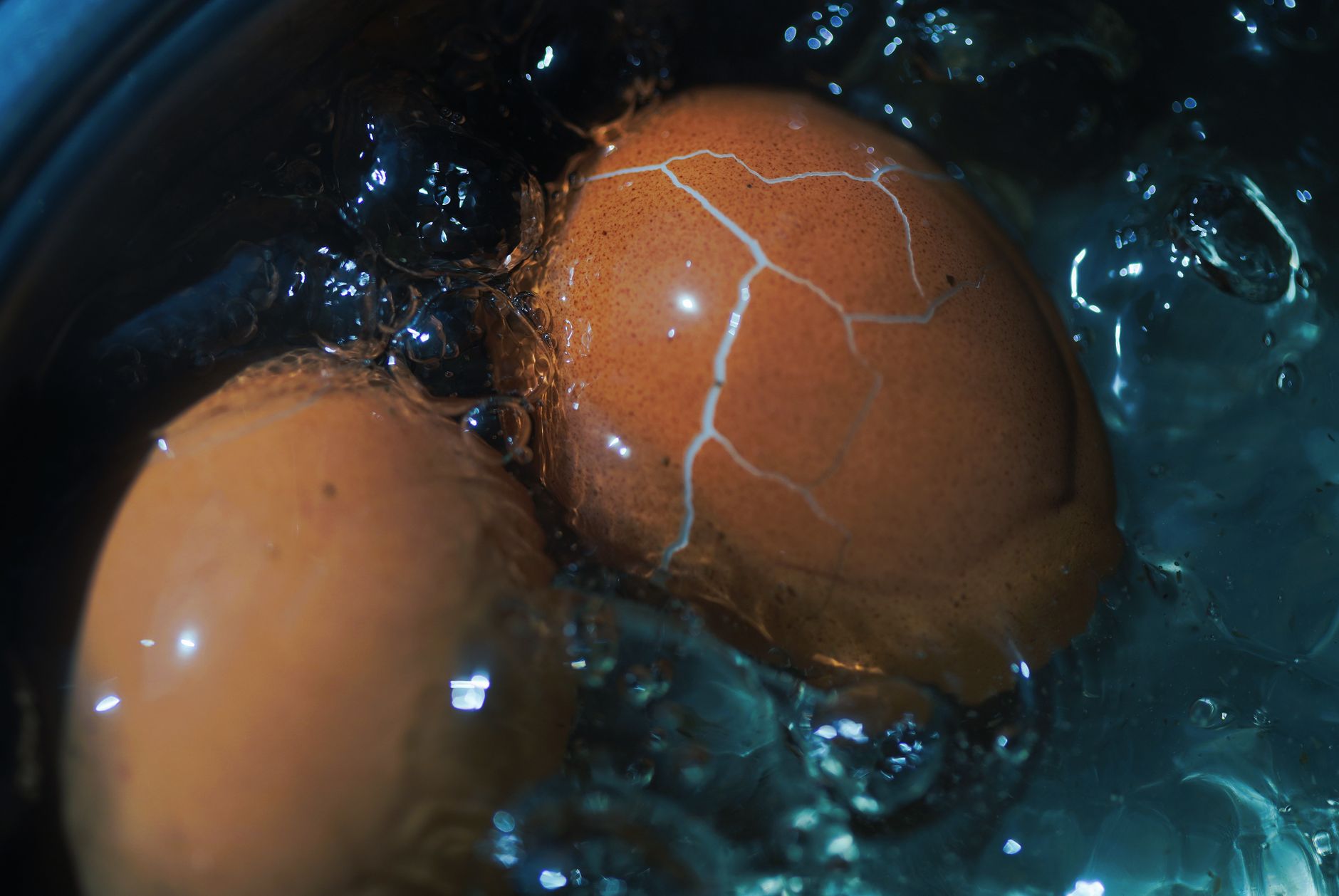
Boiled eggs are a versatile and nutritious food that many people enjoy. They can be used in salads, sandwiches, or as a quick snack. However, if you’re not sure how long they stay good in the fridge, you might hesitate before enjoying those leftovers. Understanding their shelf life is vital for food safety and maintaining their quality.
This article will explore how long boiled eggs last in the fridge, how to store them properly, and tips to ensure they remain safe and delicious for consumption.
How Long Do Boiled Eggs Stay Good in the Fridge?
Boiled eggs stay good in the fridge for up to one week. To maximize their freshness and safety, it is essential to keep them in an airtight container and store them in the main section of the fridge, not the door.
Factors Affecting the Shelf Life of Boiled Eggs
Several factors can influence how long boiled eggs last in the fridge. Understanding these factors can help you better manage your egg storage.
1. Type of Egg
The shelf life can slightly vary based on the type of egg used. For example, farm-fresh eggs that are unwashed tend to last longer than commercially processed eggs. This is due to the natural protective coating on unwashed eggs, which helps to preserve freshness.
2. Cooking Technique
How the eggs are boiled can also affect their longevity. Eggs that are hard-boiled (cooked until firm throughout) generally last longer than soft-boiled eggs. This is because overcooking helps eliminate bacteria and reduces the risk of spoilage.
3. Storage Conditions
Proper storage is crucial. Eggs should be kept in their shells until you’re ready to eat them, as the shell acts as a barrier against bacteria. Storing them in an airtight container can also help prevent them from absorbing odors from other foods.
How to Properly Store Boiled Eggs
To ensure your boiled eggs stay fresh and safe to eat for as long as possible, follow these storage tips:
- Cool Them Quickly: After boiling, cool eggs quickly in ice water or under cold running water. This helps stop the cooking process and reduces the risk of bacteria forming.
- Leave the Shell On: It’s best to store boiled eggs in their shells until ready to eat. The shell protects the egg from bacteria and helps retain moisture.
- Airtight Container: If you’ve peeled the eggs, place them in an airtight container and cover them with a bit of water to help keep them moist and prevent them from drying out.
- Label Your Container: If you’re storing multiple boiled eggs, consider labeling your container with the date they were boiled. This will help you keep track of their freshness.
Signs That Boiled Eggs Have Spoiled
While boiled eggs can last up to a week in the fridge, it’s essential to know when they have gone bad. Here are some signs to watch for:
1. Unpleasant Smell
If a boiled egg emits a foul odor when you crack it open, it is best to discard it. This smell indicates the presence of sulfur compounds resulting from spoilage.
2. Discoloration
If the egg white or yolk appears discolored or has dark spots, it may not be safe to eat. Fresh boiled eggs should have a clean, uniform appearance.
3. Texture Changes
If the texture of the egg seems abnormal—such as being excessively slimy or watery—this can be a warning sign as well. Such changes can indicate spoilage, and you should discard the egg.
How to Reheat Boiled Eggs
If you’ve cooked more boiled eggs than you can consume at once, you might want to reheat them for later use. Here’s how to do that safely:
1. Reheat in Hot Water
The best way to reheat boiled eggs is to place them in a bowl of hot water for about 10-15 minutes. This method gently warms the eggs without overcooking them.
2. Avoid the Oven or Microwave
Reheating boiled eggs in the oven or microwave is not recommended, as it can result in rubbery texture and uneven heating. The microwave can also cause the eggs to explode if not done carefully.
Meal Prep Ideas with Boiled Eggs
Boiled eggs are great for meal prep due to their ease of cooking and versatility. Here are some meal prep ideas to incorporate boiled eggs into your weekly menu.
1. Breakfast Egg Muffins
Chop boiled eggs and mix them into a batch of egg muffins with vegetables and cheese. Bake them in a muffin tin for an easy grab-and-go breakfast option.
2. Egg Salad
Create a make-ahead egg salad by mashing boiled eggs with mayonnaise, mustard, diced celery, and seasoning. Serve it on whole grain bread or with crackers.
3. Salad Toppers
Slice boiled eggs to add to salads for extra protein. They pair well with mixed greens, avocados, and a variety of dressings.
4. Snacking
Hard-boiled eggs can be a great snack on their own, seasoned with salt, pepper, or your favorite spices. Keep them handy in the fridge for a quick protein boost.
Common Mistakes to Avoid
When storing boiled eggs, there are a few common mistakes that can lead to spoilage or reduced quality:
1. Leaving Eggs Unrefrigerated
Boiled eggs should not be left out at room temperature for more than two hours, as this can lead to bacterial growth. Always store them in the fridge when not consumed immediately.
2. Not Using Airtight Containers
Failing to use airtight containers can expose your eggs to moisture and odor, impacting their taste and quality. Always ensure they are adequately sealed.
3. Peeling Too Soon
Peeling boiled eggs too far in advance can lead to dryness. Only peel eggs just before you intend to eat them for the best flavor and texture.
Questions About Boiled Egg Storage
Here are some frequently asked questions regarding boiled egg storage.
Can I freeze boiled eggs?
It is not recommended to freeze whole boiled eggs, as they can become rubbery upon thawing. However, you can freeze the yolks separately if needed.
How can I tell if my boiled eggs are fresh?
A simple way to check the freshness of boiled eggs is by performing the water test. Place the egg in a bowl of water; if it sinks and lays flat, it’s fresh. If it stands upright or floats, it’s best to discard it.
Is it safe to eat boiled eggs after the sell-by date?
Boiled eggs can still be safe to eat after the sell-by date if they have been stored properly. However, always check for signs of spoilage.
Summary of Boiled Egg Storage Guidelines
To recap, boiled eggs can stay good in the fridge for up to one week when stored properly. Always cool them down immediately after cooking, keep them in their shells until needed, and store them in an airtight container. Watch for signs of spoilage, such as unpleasant odors or discoloration, to ensure food safety.
Now that you know how to properly store and utilize boiled eggs, consider incorporating them into your meal prep to add convenience and nutrition to your meals. Try out interesting recipes or variations to keep your meals exciting.
For more guidance on egg storage, check out articles on how long you can keep eggs in the refrigerator and how long eggs last after their sell-by date.