
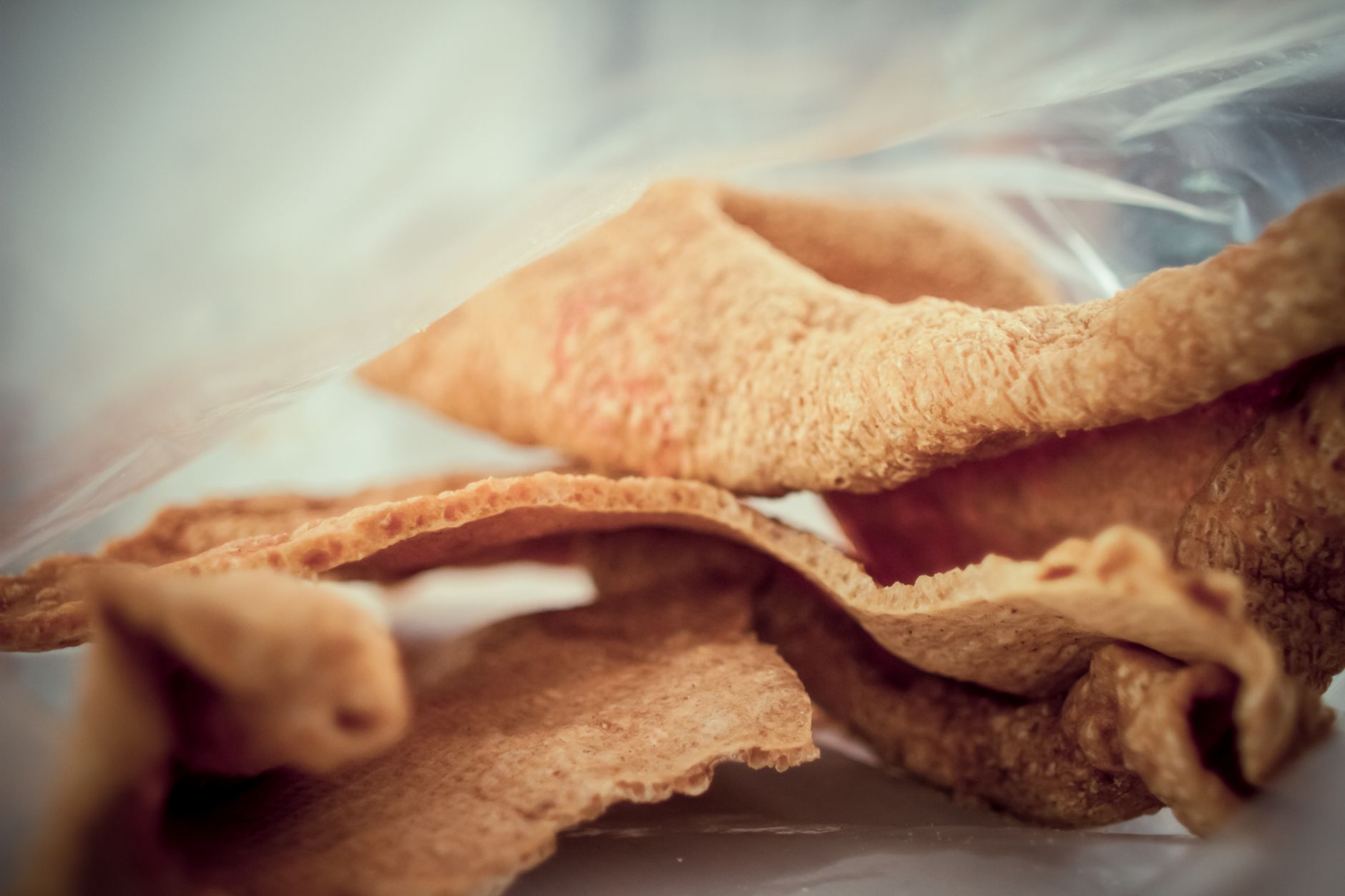
Pork crackling is a delicious and crunchy snack made from the skin of the pig, often enjoyed as a side dish or a topping. Its robust flavor stems from the process by which it is prepared, and it serves as a beloved treat in various cuisines around the world.
Understanding pork crackling’s ingredients, taste profile, and culinary uses can elevate your cooking and snacking experiences. This article will explore the essentials of pork crackling to equip you with knowledge for cooking, snacking, or serving.
What Is Pork Crackling?
Pork crackling, also known as pork rinds or chicharrones, is made from the skin of the pig, which is rendered to achieve a distinct crispy texture. Traditionally, it has been cherished worldwide, from Latin America to the United Kingdom, often enjoyed as a crunchy accompaniment to various dishes or as a standalone snack. The preparation process contributes to its signature taste and texture.
Ingredients of Pork Crackling
The primary ingredient in pork crackling is, as the name suggests, pork skin. However, the overall preparation might include additional elements to enhance flavor and texture. Here’s a breakdown of the main ingredients:
- Pork Skin: This is the main component, which can be purchased fresh or cured.
- Salt: Used for seasoning and to help draw moisture from the skin, promoting crispiness.
- Oil (optional): Depending on the cooking method, oil may be used for frying or roasting the pork skin.
- Spices and seasonings: Various herbs and spices can be added, such as paprika, garlic powder, or black pepper, to enhance flavor.
Taste Profile of Pork Crackling
The taste of pork crackling is both savory and rich, primarily derived from the nature of pig skin and the cooking method used. Here are some key tasting notes:
- Savory and Umami: The inherent flavors in pork skin can provide a deep umami profile.
- Crispy Texture: The ultimate appeal of pork crackling is its satisfying crunch, achieved through proper rendering.
- Seasoning Variations: Depending on the spices used, flavors can range from smoky to spicy, making pork crackling adaptable to various palates.
Culinary Uses of Pork Crackling
Pork crackling is a versatile ingredient and snack. Here are some culinary applications:
As a Snack
Pork crackling can be enjoyed on its own as a crunchy snack. It’s popular at parties and gatherings and goes well with beverages, especially beer and cocktails.
As a Topping
Add pork crackling to salads, soups, or tacos for an additional crunch. It can enhance the texture of otherwise soft dishes and provide a contrast to fresh ingredients.
In Dishes and Recipes
Several recipes incorporate pork crackling, such as:
- Pork Crackling Seasoning: Crush or crumble for a seasoning blend to use on cooked meats or vegetables.
- Pork Crackling Bits in Stuffing: Mix into stuffing for added texture in your dishes.
- Pork Skin in Cooking: Use as a wrapper for meats or vegetables in cooking, similar to how leaves are used in some traditional recipes.
Regional Variations
Pork crackling varies from region to region. In Mexico, chicharrones are often seasoned heavily with spices and served with salsa. In the UK, the crackling is often enjoyed alongside roasted meats, adding flavor and crunch to the meal. Understanding these variations can inspire new culinary creations using pork crackling.
How to Make Pork Crackling
If you’re interested in making pork crackling at home, it’s a straightforward process that requires just a few ingredients and some attention to detail. Here is a step-by-step guide on how to make pork crackling.
Essential Equipment
- Sharp knife
- Roasting tray or baking sheet
- Oven
- Thermometer (optional)
Ingredients
- 1 pound (450g) pork skin, with a layer of fat
- Salt, to taste
- Optional spices (paprika, garlic powder, etc.)
Preparation Steps
- Preheat the Oven: Preheat your oven to 450°F (230°C).
- Prepare the Pork Skin: Trim any excess fat from the pork skin; however, leaving some fat will help with rendering. Use a sharp knife to score the skin in a grid pattern, being careful not to cut all the way through to the meat.
- Season: Generously rub salt into the scored skin, and add any desired spices. Ensure the salt penetrates into the cuts.
- Roasting Time: Place the pork skin on a roasting tray, skin side up. Roast for 30-40 minutes or until the skin becomes blistered and crispy. Keep an eye on it to prevent burning.
- Cool and Serve: Remove from the oven and let it cool slightly before breaking or slicing into bite-sized pieces. Serve warm or at room temperature.
Common Mistakes When Making Pork Crackling
Making pork crackling isn’t without its challenges, and being aware of common mistakes can help you improve your results.
- Not Scoring Deep Enough: Ensure you cut into the fat; this allows the fat to render out and helps achieve a crispy texture.
- Too Much Fat: While some fat is necessary for flavor, too much can result in greasy crackling. Striking a balance is key.
- Cooking at the Wrong Temperature: Ensure your oven is hot enough to blister the skin quickly, otherwise, it may take longer to become crispy.
Substitutions and Variations
If you’re looking for alternatives or variations to traditional pork crackling, consider the following:
- Chicken Skin: Can be used as a substitute for a lighter option, resulting in a different flavor profile.
- Turkey Skin: A good alternative, especially during holiday seasons, yielding a similar texture.
- Vegetarian Options: Consider using crispy fried seaweed or rice snacks seasoned similarly for a vegetarian snack alternative.
Storage and Reheating
Pork crackling is best enjoyed fresh, but if you need to store it, follow these guidelines:
- Store in an airtight container at room temperature for up to three days. This helps maintain its crispiness.
- Avoid refrigeration, as this may cause the crackling to become chewy.
- To reheat, place it in a preheated oven at 350°F (175°C) for a few minutes until warm and crispy again.
Conclusion
Pork crackling is a delicious and versatile ingredient that can elevate your culinary experience, whether enjoyed on its own or as part of a dish. Utilizing the right preparation techniques can help you perfect this tasty snack in your kitchen.
If you’re looking to explore more about cooking with pork, check out our recipes for Pork Chop Supreme and Baked Pork Chop to expand your meal options!