
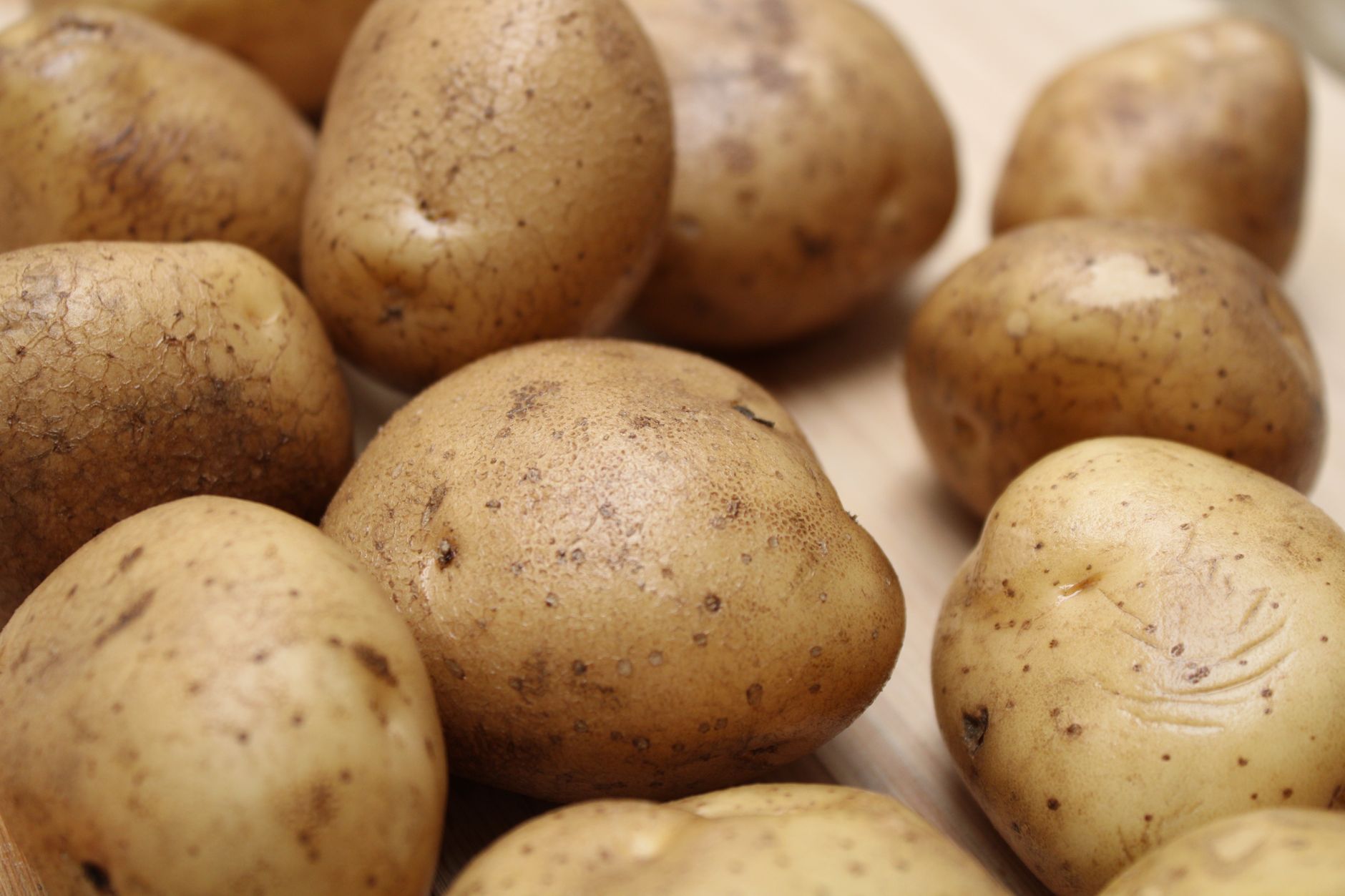
Potatoes are a staple ingredient in many kitchens around the world. Their versatility allows them to be used in countless dishes, from comforting mashed potatoes to crispy fries and hearty stews. However, proper storage is essential to maintain their flavor, texture, and overall quality.
One common question that arises is whether potatoes can be kept in the refrigerator. The answer isn’t straightforward and involves considerations about temperature, humidity, and how the refrigerator environment affects the potatoes. This guide explores the best practices for potato storage, what happens when you refrigerate them, and tips for preserving their quality.
Can You Keep Potatoes in the Refrigerator?
Refrigerating potatoes is generally not recommended. Storing them at low temperatures can alter their texture and flavor. When potatoes are kept in cold environments, starches can convert to sugars, which may lead to a sweeter taste and a gritty texture upon cooking.
To maintain the best quality, it’s best to store potatoes in a cool, dark, and well-ventilated place. However, there are some exceptions and considerations, especially if you live in a hot climate. Let’s explore the proper storage techniques, the reasoning behind them, and what you should do instead.
Understanding Potato Storage Temperatures
Potatoes should ideally be stored at temperatures between 45°F and 50°F (7°C to 10°C). At this range, they can maintain their taste and texture. Storing them in the refrigerator, where the temperature is typically below 40°F (4°C), leads to undesirable changes in the potato.
The Science Behind it
The primary concern with refrigeration is the conversion of starch to sugar. Potatoes produce enzymes that are more active at colder temperatures. As the starch breaks down into sugars, it can result in a sweeter potato, which may not be suitable for savory dishes.
Best Practices for Storing Potatoes
- Choose the Right Location: Store potatoes in a cool, dark place away from direct sunlight. A pantry, cellar, or cupboard is ideal.
- Avoid Plastic Bags: While it may seem convenient, plastic bags can trap moisture and promote sprouting or rot. Instead, use a paper bag or a burlap sack for storage.
- Maintain Ventilation: Potatoes need air circulation. Use a basket, mesh bag, or perforated container to ensure they can breathe.
- Keep Away from Other Produce: Certain fruits and vegetables release ethylene gas, leading to premature sprouting. Keep potatoes apart from onions, apples, and bananas.
- Check Regularly: Inspect your potatoes regularly for sprouts or areas of decay. Remove any affected potatoes to prevent others from spoiling.
What to Do with Sprouted Potatoes
It’s common for potatoes to sprout, especially if they are stored for an extended period. If you find sprouts, it’s not always necessary to discard them. Here’s what you can do:
- Trim the Sprouts: Use a knife to cut off the sprouts. As long as the potato is firm and healthy, it can still be used.
- Inspect for Softness: If the potato has become soft or wrinkled, it’s best to discard it, as texture and taste will be compromised.
- Plant Them: If you have a green thumb, consider planting sprouted potatoes in your garden. They can grow into new plants!
Debunking Common Myths
There are various myths related to potato storage that can lead to confusion. Here are a few clarifications:
- Myth: Refrigerating potatoes makes them last longer. This is false. Refrigeration can dramatically reduce their quality.
- Myth: All potatoes need to be stored the same way. Different varieties have different needs. For example, waxy potatoes do better in low humidity, while starchy types require a slightly different environment.
- Myth: Potatoes can be peeled and refrigerated. Peeling potatoes before storage is safe, but it’s best to keep them submerged in water in the refrigerator for a short time to prevent browning.
Storing Cooked Potatoes
What about cooked potatoes? If you find yourself with leftovers or need to prepare potatoes in advance, proper storage becomes critical for maintaining their texture and flavor.
Refrigeration of Cooked Potatoes
Cooked potatoes can be refrigerated. They should be stored in an airtight container or tightly wrapped in plastic foil to avoid moisture loss and absorption of odors from other foods.
Freezing Cooked Potatoes
If you wish to store cooked potatoes for a longer period, consider freezing them. Here’s how:
- Cool Down: Allow the cooked potatoes to cool to room temperature.
- Portioning: Cut the potatoes into smaller pieces or keep them whole, depending on how you plan to use them later.
- Wrap and Store: Place them in freezer-safe bags or containers, squeezing out as much air as possible.
When you want to use frozen cooked potatoes, thaw them in the refrigerator overnight. Reheat them gently in an oven or a skillet to prevent them from becoming mushy.
Substitutes for Potatoes in Recipes
If you’re searching for alternatives to potatoes due to dietary restrictions or personal preferences, there are several excellent substitutes. Here’s a list of possible replacements:
- Sweet Potatoes: A sweeter option with a creamy texture that works well in many recipes.
- Cauliflower: When mashed or roasted, cauliflower provides a low-carb substitute that mimics the texture of potatoes.
- Turnips: Slightly peppery, turnips can be mashed or roasted and add a unique flavor profile.
- Rutabaga: This root vegetable is hearty and can be used in place of potatoes in various hearty dishes.
Cooking Techniques for Potatoes
Once your potatoes are stored properly, preparing them for meals involves knowing the right cooking techniques. Here’s a brief overview of common methods:
Boiling
Boiling is the simplest way to cook potatoes, especially for mashed potatoes. Here’s how:
- Peel and cut potatoes into evenly sized pieces.
- Place them in a large pot and cover with cold water.
- Bring the water to a boil, salt it, and reduce heat, simmering for 15 to 20 minutes until tender.
- Drain and proceed with your favorite recipe.
Roasting
Roasted potatoes offer a crispy exterior and soft interior. To roast:
- Preheat the oven to 425°F (220°C).
- Cut potatoes into cubes or wedges. Toss them with olive oil, salt, and your choice of spices.
- Spread on a baking sheet in a single layer and roast for 30-40 minutes, flipping halfway through, until golden brown.
Mashed
To make classic mashed potatoes:
- Boil or steam peeled potatoes until soft.
- Drain and mash with butter, cream, salt, and pepper to taste.
- For extra flavor, consider adding garlic, sour cream, or cheese.
Conclusion
While refrigerating potatoes is not recommended due to the adverse effects on their flavor and texture, understanding proper storage techniques will help you keep your potatoes fresh for longer. Always choose the right environment, avoid moisture, and check for sprouting regularly. Knowing how to store cooked potatoes and their alternatives can also help diversify your meals.
Now that you have mastered the best techniques for storing and preparing potatoes, consider exploring ways to use these methods in your cooking! Learn about whether there’s gluten in potatoes or how to make mashed potatoes ahead of time.