
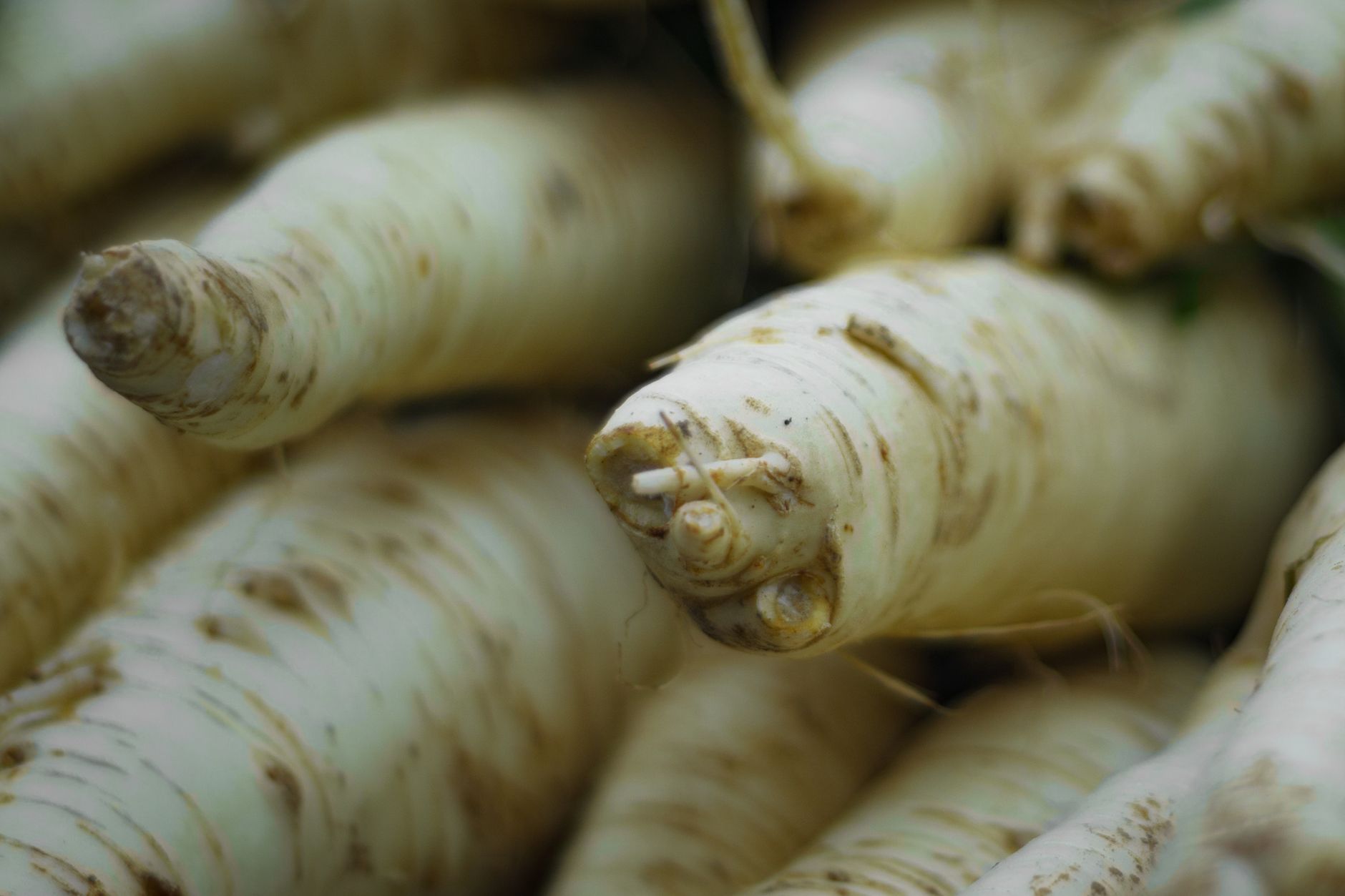
Horseradish is a spicy root vegetable that adds a distinctive flavor to various dishes and sauces. Its sharp, pungent taste can elevate simple meals, making it a favorite condiment in many cuisines. Understanding what horseradish is, its culinary uses, and how to incorporate it into your cooking can enhance your dishes.
This article will explore the characteristics of horseradish, its ingredients, flavor profile, culinary uses, and tips for selecting and storing it properly. By the end, you’ll have a thorough understanding of horseradish and how to use it in your kitchen.
What Is Horseradish?
Horseradish (Armoracia rusticana) is a perennial plant known for its large, white taproot that produces a zesty, spicy flavor. Commonly consumed as a condiment, horseradish is often found in sauces like cocktail sauce, prepared horseradish, and even horseradish cream. Its pungency comes from compounds released when the root is grated or cut, resulting in its unique aroma and taste.
Native to Southeast Europe and Western Asia, horseradish has been cultivated for centuries. In addition to its culinary uses, it also has a long history of medicinal applications, often regarded for its potential digestive and respiratory benefits.
Ingredients of Horseradish
Horseradish primarily consists of the following components:
- Water: The root contains around 87% water, making it quite perishable.
- Glucosinolates: These sulfur-containing compounds contribute to the spicy flavor and aroma characteristic of horseradish.
- Vitamins and minerals: Horseradish is low in calories but contains small amounts of vitamin C, potassium, calcium, and magnesium.
- Enzymes: The enzyme myrosinase is responsible for the pungent flavor released upon grating.
Flavor Profile of Horseradish
Horseradish boasts a strong, spicy flavor that can be described as both peppery and sharp. When freshly grated, it has a nose-tingling potency that can bring tears to your eyes—similar to the way raw onions can affect your senses. Its heat is often compared to that of mustard or wasabi, but it is unique in its profile.
The flavor tends to mellow when cooked, but raw horseradish is favored for its intensity. When prepared into sauces or mixed with cream, it takes on a more balanced, creamy texture that still retains its distinct bite. Additionally, horseradish’s flavor pairs well with savory ingredients, cutting through rich and fatty foods.
Culinary Uses of Horseradish
Horseradish is incredibly versatile and can be used in numerous dishes. Here are some popular culinary applications:
Condiments and Sauces
One of the most common uses of horseradish is in sauces. It serves as a key ingredient in:
- Prepared horseradish: Finely grated horseradish root mixed with vinegar to enhance its longevity, this condiment is perfect for pairing with meats.
- Horseradish cream sauce: A creamy blend of horseradish and heavy cream or sour cream, making it ideal for serving with roast beef or seafood dishes.
- Cocktail sauce: Combining horseradish with ketchup, lemon juice, and Worcestershire sauce creates a tangy accompaniment for shrimp cocktails.
Meat Dishes
Horseradish can dramatically enhance the flavor of meat dishes, particularly:
- Roast beef: Served as a condiment alongside sliced roast beef, horseradish adds a fiery kick that contrasts nicely with the meat’s richness.
- Pork and lamb: Incorporating horseradish into marinades can lend a zesty flavor to these meats, especially when complemented with herbs and spices.
Seafood and Fish
Its strong flavor also pairs well with seafood, adding brightness and depth:
- Chilled seafood dishes: Horseradish is a common ingredient in sauces for crab, shrimp, and oysters.
- Grilled fish: A sprinkle of freshly grated horseradish can elevate a simple grilled fish dish.
Vegetable Dishes
Horseradish can also enhance vegetable dishes:
- Salads: Mixing horseradish into dressings or vinaigrettes adds a spicy kick to salads, particularly those with citrus or creamy bases.
- Soups: A spoonful of prepared horseradish can brighten up hearty soups, particularly those based on root vegetables.
Spreads and Dips
Additionally, horseradish can be blended into spreads:
- Sandwich spreads: Combined with cream cheese or mayonnaise, horseradish makes a flavorful spread for sandwiches and wraps.
- Dip: Blending horseradish with yogurt or sour cream creates a creamy and spicy dip for vegetables or chips.
Selecting and Storing Horseradish
When purchasing horseradish, look for firm, smooth roots without soft spots or blemishes. Fresh horseradish should feel heavy for its size. If buying prepared horseradish, check the ingredient list for pure horseradish and minimal additives.
To store fresh horseradish, wrap it in a damp paper towel and keep it in a plastic bag in the refrigerator. Fresh horseradish will stay good for about two to three weeks. However, the pungency may diminish over time. For longer storage, horseradish can be grated and mixed with vinegar, then stored in an airtight container in the refrigerator for several months.
Preparing Horseradish
Fresh horseradish root can be prepared easily, but it is essential to follow specific steps to maximize its flavor:
- Wash the root: Rinse the horseradish root thoroughly under cold water to remove any dirt.
- Peel the root: Use a vegetable peeler to remove the outer skin. Be cautious, as the aroma can be quite potent.
- Grate the root: Use a standard box grater or a food processor to grate the horseradish. A sharper blade will produce a finer texture and release more flavor.
- Add vinegar: Quickly mix the grated horseradish with vinegar to preserve its heat and flavor. Allow the mixture to sit for a few minutes before storing.
Common Mistakes and Troubleshooting
When using horseradish, there are some pitfalls to avoid:
- Not using enough: Horseradish can lose its potency quickly, so always add it to taste in your dishes.
- Cooking it too long: Prolonged cooking will soften horseradish’s flavor. Add it at the end of the cooking process whenever possible.
- Poor storage: To retain its flavor, always keep horseradish refrigerated and tightly sealed.
Horseradish Substitutions
In some cases, you may need to substitute horseradish in recipes. Here are some alternatives:
- Wasabi: Offers a similar pungency and heat, though it varies slightly in flavor and intensity.
- Spicy mustard: Particularly Dijon mustard can replicate some of the heat and provide a creamy texture.
- Garlic or onion: While they won’t duplicate the flavor, they can offer a robust aromatic component to your dish.
Recipe Ideas Incorporating Horseradish
Now that you understand horseradish and its uses, here are a few simple recipes to try at home:
Horseradish Cream Sauce
This tangy cream sauce is a great accompaniment to roast beef or seafood.
- 1 cup sour cream
- 2-4 tablespoons prepared horseradish (to taste)
- 1 tablespoon lemon juice
- Salt and pepper to taste
- In a bowl, combine sour cream and horseradish.
- Add lemon juice, salt, and pepper. Mix well.
- Chill in the refrigerator for at least 30 minutes before serving.
Cocktail Sauce
This classic sauce is perfect for shrimp cocktails.
- 1 cup ketchup
- 3 tablespoons prepared horseradish
- 1 tablespoon Worcestershire sauce
- 1 tablespoon lemon juice
- In a bowl, mix together ketchup and horseradish.
- Add Worcestershire sauce and lemon juice. Stir until thoroughly combined.
- Serve chilled with shrimp or other seafood.
Spicy Horseradish Dip
This dip pairs well with fresh vegetables or chips.
- 1 cup Greek yogurt
- 2-3 tablespoons prepared horseradish (to taste)
- 1 tablespoon garlic powder
- Salt to taste
- In a bowl, combine Greek yogurt and horseradish.
- Add garlic powder and salt, adjusting to your preference.
- Refrigerate for at least 20 minutes to allow flavors to meld before serving.
Conclusion
Horseradish is a unique and versatile ingredient that can enhance a wide variety of dishes. Understanding its flavor profile, how to prepare it, and its various culinary applications opens up a world of flavor in your cooking. Whether you enjoy it on roast beef, in creamy dips, or as a zesty addition to sauces, horseradish can bring a vibrant kick to your meals.
If you are looking to expand your culinary knowledge further, explore related recipes or cooking tips to make the most of your ingredients. Consider checking out what makes a good substitute for rosemary or what molasses is made from.