
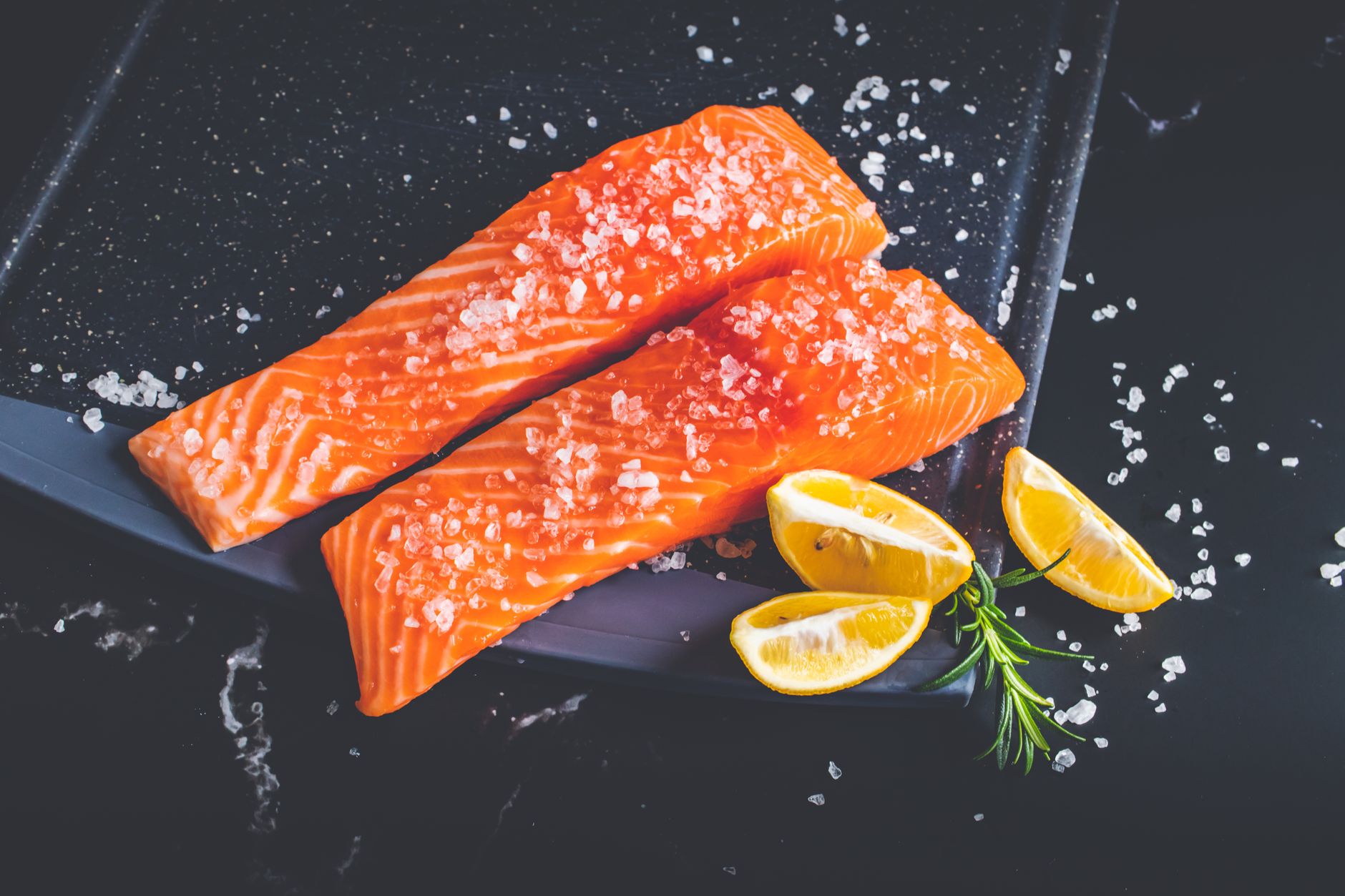
When it comes to enjoying salmon, many people wonder, “Does all salmon have worms?” This concern stems from the fact that salmon can harbor parasites, specifically a type of worm known as the nematode. Although not all salmon contain these worms, understanding how to identify and mitigate the risk is essential for safe consumption.
In this article, we will explore the various types of salmon, provide insights about worms and parasites, discuss safe preparation and cooking methods, and offer practical tips for selecting and serving salmon. Whether you’re grilling, baking, or pan-searing, knowing what to look for will help ensure a delightful dining experience.
Does All Salmon Have Worms?
Not all salmon have worms, but some species can carry parasites. These nematodes typically affect wild salmon rather than farmed salmon. While they are generally harmless when cooked, it’s important to know how to handle and prepare salmon properly to ensure food safety.
Understanding Salmon and Its Varieties
Salmon comes in various species, each with its own flavor profile and culinary uses. The most common types include:
- Chinook (King) Salmon: Known for its rich, buttery flavor and high-fat content.
- Coho (Silver) Salmon: Offers a milder flavor with a firm texture.
- Pink Salmon: The most abundant species, pink salmon has a delicate taste and is often used in canned products.
- Sockeye Salmon: Recognized for its vibrant red flesh and strong flavor, sockeye is popular for grilling and smoking.
- Atlantic Salmon: Most commonly farmed, it has a mild flavor and is available year-round.
Understanding these varieties not only helps in choosing the best salmon for your meal but also informs you about the potential for parasites.
What Are the Worms in Salmon?
The primary concern regarding worms in salmon revolves around a type of nematode called Contracaecum. These parasites can be found in both wild and farmed salmon but are more prevalent in wild populations. Here’s a closer look:
- Life Cycle: The life cycle of Contracaecum involves marine fish, birds, and mammals. Salmon often become intermediate hosts, allowing the worms to infect them.
- Appearance: The larvae can appear as small white or translucent worms within the flesh, typically seen in wild salmon.
- Harmlessness: While the thought of consuming worms is unappealing, it’s important to note that properly cooked salmon poses no health risks from these parasites.
How to Choose Salmon Safely
Choosing fresh, high-quality salmon is crucial for minimizing risks associated with worms and parasites. Here are some tips for selecting safe fish:
- Look for Freshness: Fresh salmon should have a bright, vibrant color and a mild ocean smell. Avoid salmon that looks dull or has a strong odor.
- Check for Firmness: The flesh should be firm to the touch and should bounce back when pressed.
- Buy from Reputable Sources: Purchase from trusted fish markets, grocery stores, and suppliers that guarantee quality and safety.
- Ask Questions: Don’t hesitate to ask the fishmonger how the salmon was sourced and if it has been inspected for worms.
How to Prepare Salmon to Avoid Parasites
Proper preparation techniques can significantly reduce the risk of consuming parasites found in salmon. Here are practical steps to ensure safe cooking:
- Freezing: Freezing salmon at -4°F (-20°C) for seven days kills any parasites present. This practice is standard in the sushi industry.
- Cooking: Cooking salmon to an internal temperature of 145°F (63°C) is effective in killing parasites. Use a food thermometer to ensure accuracy.
- Visual Inspection: Before cooking, inspect the salmon closely. Look for any unusual white string-like structures and remove them if spotted.
How to Cook Salmon Effectively
Cooking salmon can be an enjoyable and straightforward process. Here are classic methods with tips on ensuring delicious results:
Baking Salmon
Baking is a great way to cook salmon while keeping it moist and flavorful. Here’s a simple baking guide.
- Ingredients:
- 1 lb salmon fillet
- 2 tablespoons olive oil
- Salt and pepper to taste
- Juice of 1 lemon
- Fresh herbs (dill, parsley, or thyme)
- Equipment: Baking sheet, parchment paper, kitchen thermometer.
- Preheat the oven to 375°F (190°C).
- Line a baking sheet with parchment paper.
- Place the salmon fillet skin-side down on the baking sheet.
- Drizzle olive oil and sprinkle with salt, pepper, and lemon juice.
- Top with fresh herbs.
- Bake for 15-20 minutes, or until the internal temperature reaches 145°F (63°C).
Grilling Salmon
Grilling adds a smoky flavor to salmon. Here’s how to do it effectively.
- Ingredients:
- 1 lb salmon fillet or steaks
- Marinade of your choice (e.g., soy sauce, garlic, brown sugar, and olive oil)
- Fresh herbs for garnish
- Equipment: Grill, grill brush, fish spatula.
- Preheat the grill to medium-high heat (about 375°F to 400°F).
- Marinate the salmon for at least 30 minutes.
- Clean the grill grates with a grill brush.
- Place the salmon on the grill, skin-side down.
- Cook for about 5-7 minutes per side, or until the internal temperature is 145°F (63°C).
- Garnish with fresh herbs before serving.
Pan-Seared Salmon
Pan-searing offers a crisp exterior while keeping the inside moist. Follow these steps:
- Ingredients:
- 1 lb salmon fillet
- 2 tablespoons olive oil
- Salt and black pepper to taste
- Slices of lemon for garnish
- Equipment: Non-stick skillet, spatula, kitchen thermometer.
- Heat olive oil in a non-stick skillet over medium-high heat.
- Season the salmon with salt and pepper.
- Place the salmon skin-side down in the skillet.
- Cook for 4-5 minutes without moving it, allowing it to develop a crust.
- Carefully flip the salmon and cook for an additional 3-4 minutes until the internal temperature reaches 145°F (63°C).
- Serve with lemon slices for added flavor.
Common Mistakes When Preparing Salmon
When cooking salmon, there are several common pitfalls to avoid:
- Not Checking Internal Temperature: Always use a thermometer to ensure the salmon is cooked to the safe internal temperature.
- Overcooking: Salmon can dry out quickly, so keep an eye on the cooking time.
- Skipping Clean-Up: Properly clean utensils and surfaces after preparing fish to prevent cross-contamination.
Storage and Leftover Guidelines
Storing salmon correctly is critical for safety and freshness. Here are some practical guidelines:
- Raw Salmon: Store raw salmon in the coldest part of the refrigerator and consume within 1-2 days. For longer storage, freeze it.
- Cooked Salmon: Refrigerate leftover cooked salmon in an airtight container and consume within 3-4 days.
- Reheating: Reheat cooked salmon gently in the oven or microwave until it reaches an internal temperature of at least 165°F (74°C).
Serving Suggestions for Salmon
Salmon is incredibly versatile and pairs well with a variety of sides and sauces. Here are some ideas:
- Vegetable Sides: Roasted asparagus, sautéed spinach, or grilled zucchini.
- Grains: Quinoa, wild rice, or couscous offer good accompaniments.
- Sauces: Try lemon dill sauce, caper sauce, or a sweet teriyaki glaze.
Recipes to Consider
If you’re inspired to cook with salmon, here are some recipe ideas:
- Salmon with Lemon-Dill Sauce
- Grilled Salmon Tacos with Avocado Cream
- Salmon and Quinoa Bowl with Veggies
Salmon is a healthy and flavorful choice that can elevate any meal. Understanding how to safely prepare and cook it can remove concerns about worms and ensure a pleasurable dining experience.
For more helpful insights into fish, you might want to explore guides like how long to cook tilapia or how to tell if salmon is bad.