
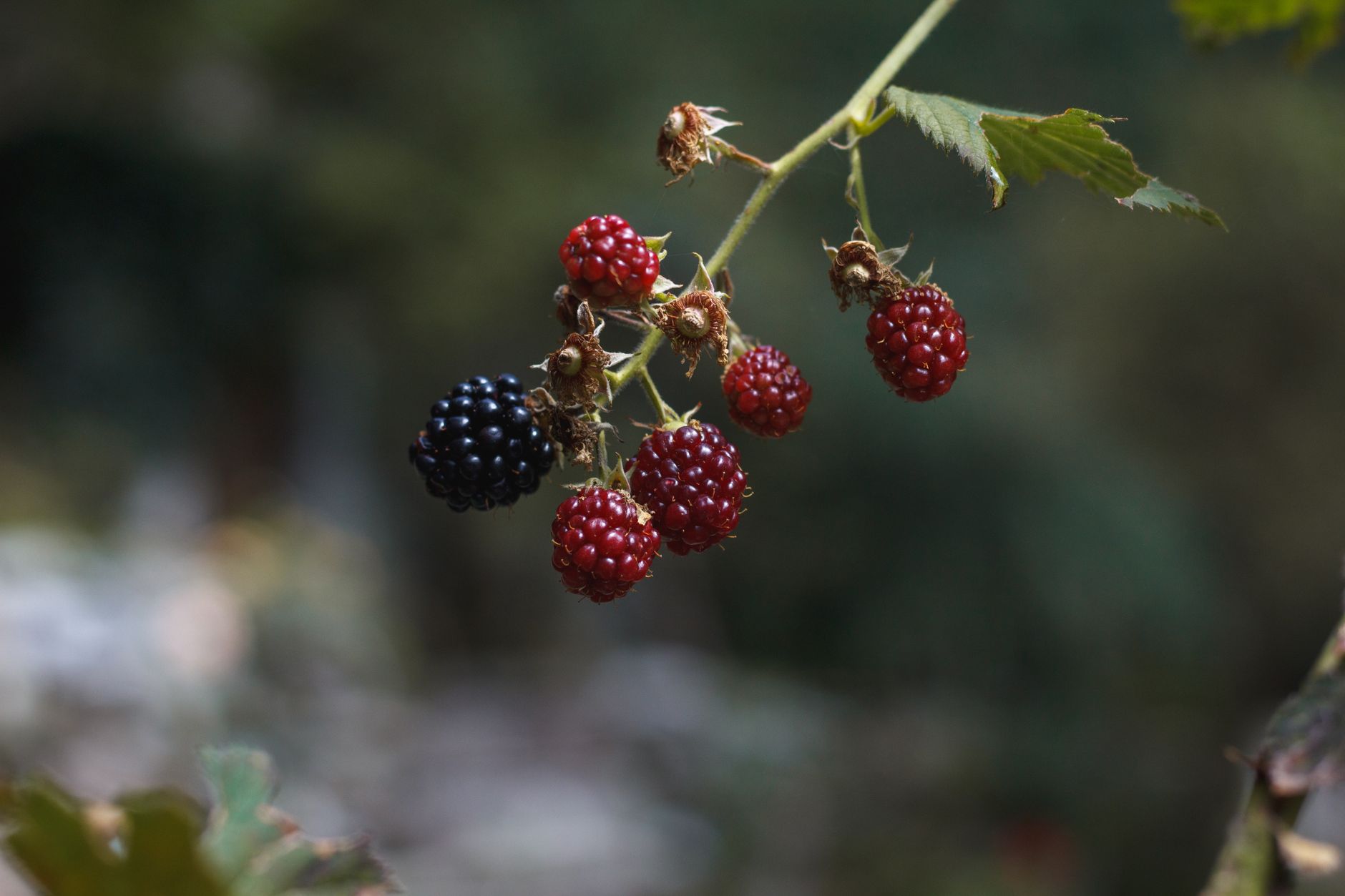
Wild blackberries are a delightful find in nature, offering a burst of sweetness and a tangy flavor that makes them a favorite among foragers. But can you eat wild blackberries? Yes, indeed! They are not only safe to consume but also vibrant additions to a variety of dishes, from desserts to breakfast recipes.
This article explores the facts about wild blackberries, including their culinary uses, nutritional benefits, and tips for foraging and incorporating them into your cooking. You’ll learn how to prepare these tasty berries and discover some delicious recipes to try.
Can You Eat Wild Blackberries?
Wild blackberries are perfectly edible and are enjoyed by many foragers and home cooks alike. Found in temperate regions worldwide, they are known for their rich flavor and versatility in the kitchen. However, it’s essential to ensure you correctly identify them to avoid any look-alikes that may be harmful.
Identifying Wild Blackberries
Before foraging wild blackberries, it’s crucial to identify them correctly. Here are some key characteristics:
- Appearance: Wild blackberry plants have thorny stems and large, serrated leaves that are typically green, with some turning reddish in the fall.
- Fruit: The berries grow in clusters and start green, ripening to a dark purple or black color. They have a glossy appearance and are generally round, with a slightly hollow center when picked.
- Flowers: Wild blackberries produce white or light pink flowers in spring, which attract pollinators.
When foraging, be aware of other plants that may look similar, such as raspberries or bramble bushes. Raspberries will come off the stem with a core, while blackberries remain solid upon removal.
Nutritional Benefits of Wild Blackberries
Wild blackberries are not just delicious; they offer various health benefits:
- High in Nutrients: They are rich in vitamins C and K, fiber, and antioxidants.
- Low in Calories: A cup of blackberries contains around 62 calories, making them a great snack option.
- Antioxidant Properties: They are packed with anthocyanins, which may support heart health and combat inflammation.
Foraging for Wild Blackberries
Foraging for wild blackberries can be a fun and rewarding experience. Here are some tips to help you gather them safely:
- Timing: Blackberries typically ripen from late summer to early fall. Aim to forage during this period for the best flavor.
- Location: Look for bushes on the edges of wooded areas, along fence lines, or in open fields, where they often flourish.
- Harvesting: Wear long sleeves and gloves to protect yourself from thorns. Gently twist the berries off the stem to ensure they remain intact.
- Organic Considerations: Choose areas away from roads and farms to avoid contamination from pesticides or pollution. Aim for wild patches that are pristine.
Kitchen Uses for Wild Blackberries
Wild blackberries can be used in a variety of culinary applications. Their sweet and tangy flavor makes them suitable for:
1. Fresh Eating
Enjoy wild blackberries fresh out of hand as a healthy snack. Pair them with yogurt or include them in a fruit salad for added flavor.
2. Baking
Incorporate them into baked goods for a burst of flavor.
- Blackberry Crisp: Combine blackberries with oats, sugar, and butter for a delicious dessert.
- Muffins: Add wild blackberries to muffin batter before baking for a fruity treat.
3. Sauces and Preserves
Transform your berries into delectable sauces, jams, or jellies by cooking them down with sugar and lemon juice.
- Blackberry Jelly Recipe
- Blackberry Sauce: Purée cooked blackberries with sugar and serve over pancakes or desserts.
4. Beverages
Wild blackberries can elevate many drink options.
- Blackberry Lemonade: Mash blackberries and mix them into lemonade for a refreshing twist.
- Cocktails: Muddle them in cocktails or use them in syrups to top drinks.
How to Clean and Prepare Wild Blackberries
Proper cleaning of wild blackberries is essential before using them in your culinary creations. Follow these steps:
- Place the berries in a colander to remove any debris.
- Rinse them gently under cold running water. Do not soak as this may cause them to become waterlogged.
- Let them dry on a clean towel or paper towel before use.
Wild Blackberry Recipes
Here are a couple of easy recipes to make the most of your wild blackberries:
Blackberry Crisp
This simple dessert features wild blackberries layered with a crunchy topping.
- Yield: 6 servings
- Preparation Time: 15 minutes
- Cooking Time: 30 minutes
- Total Time: 45 minutes
Ingredients:
- 4 cups fresh wild blackberries
- 1 cup granulated sugar, divided
- 1 tablespoon lemon juice
- 1 cup rolled oats
- 1 cup all-purpose flour
- 1/2 cup unsalted butter, melted
Essential Equipment:
- 8×8 inch baking dish
- Mixing bowls
- Oven
Instructions:
- Preheat the oven to 350°F (175°C).
- In a mixing bowl, combine blackberries, 1/2 cup of sugar, and lemon juice. Pour the mixture into the baking dish.
- In another bowl, mix the oats, flour, melted butter, and remaining sugar until crumbly.
- Spread the oat mixture evenly over the berries.
- Bake for 30 minutes or until the topping is golden brown and the berries are bubbling.
- Allow to cool slightly before serving.
Blackberry Jam
Turn your wild blackberries into a delicious jam.
- Yield: About 4 cups
- Preparation Time: 20 minutes
- Cooking Time: 30 minutes
- Processing Time: 10 minutes (if canning)
Ingredients:
- 4 cups fresh wild blackberries
- 1 cup granulated sugar (adjust based on desired sweetness)
- 1 tablespoon lemon juice
- 1 package (1.75 oz) fruit pectin (optional for thicker jam)
Essential Equipment:
- Medium saucepan
- Wooden spoon
- Sterilized jars and lids (if canning)
Instructions:
- In a medium saucepan, combine blackberries, sugar, and lemon juice over medium heat.
- Stir gently until the sugar dissolves and the mixture starts to bubble.
- If using pectin, follow the package instructions for combining it with the fruit mixture.
- Simmer for about 30 minutes, stirring often, until the mixture thickens.
- Pour the jam into the sterilized jars, leaving about 1/4 inch space at the top. Seal tightly.
- If canning, process jars in boiling water for 10 minutes. Let cool completely before storing.
Storing Wild Blackberries
Fresh wild blackberries are best enjoyed shortly after harvesting, but you can store them in the refrigerator for a few days. Here are some storage tips:
- Place unwashed blackberries in a shallow container lined with paper towels.
- Store them in the refrigerator, where they can last up to five days.
- For longer storage, freeze blackberries by spreading them in a single layer on a baking sheet and then transferring them to a freezer-safe container.
Common Mistakes When Using Wild Blackberries
While cooking with wild blackberries is straightforward, there are a few common pitfalls to avoid:
- Overripe or Underripe Berries: Ensure you pick berries that are fully ripe for the best flavor. Overripe berries may spoil quickly, while underripe ones can taste sour.
- Washing Before Storing: Avoid washing berries before storing them, as excess moisture can lead to mold growth.
- Overcooking: When making sauces or jams, overcooking can break down the flavor. Carefully monitor the cooking time to preserve the blackberry’s delicate taste.
Using wild blackberries in your cooking can elevate your meals with their natural sweetness and vibrant color. By foraging responsibly, identifying them correctly, and incorporating them into various recipes, you can enjoy these berries throughout the seasons. Whether you enjoy them fresh, in baked goods, or as preserves, wild blackberries offer a delicious way to connect with nature and enhance your culinary repertoire.
If you’re looking to explore more berry recipes, consider checking out our guides on Blackberry Jelly and Blackberry Crisp. Happy cooking!