
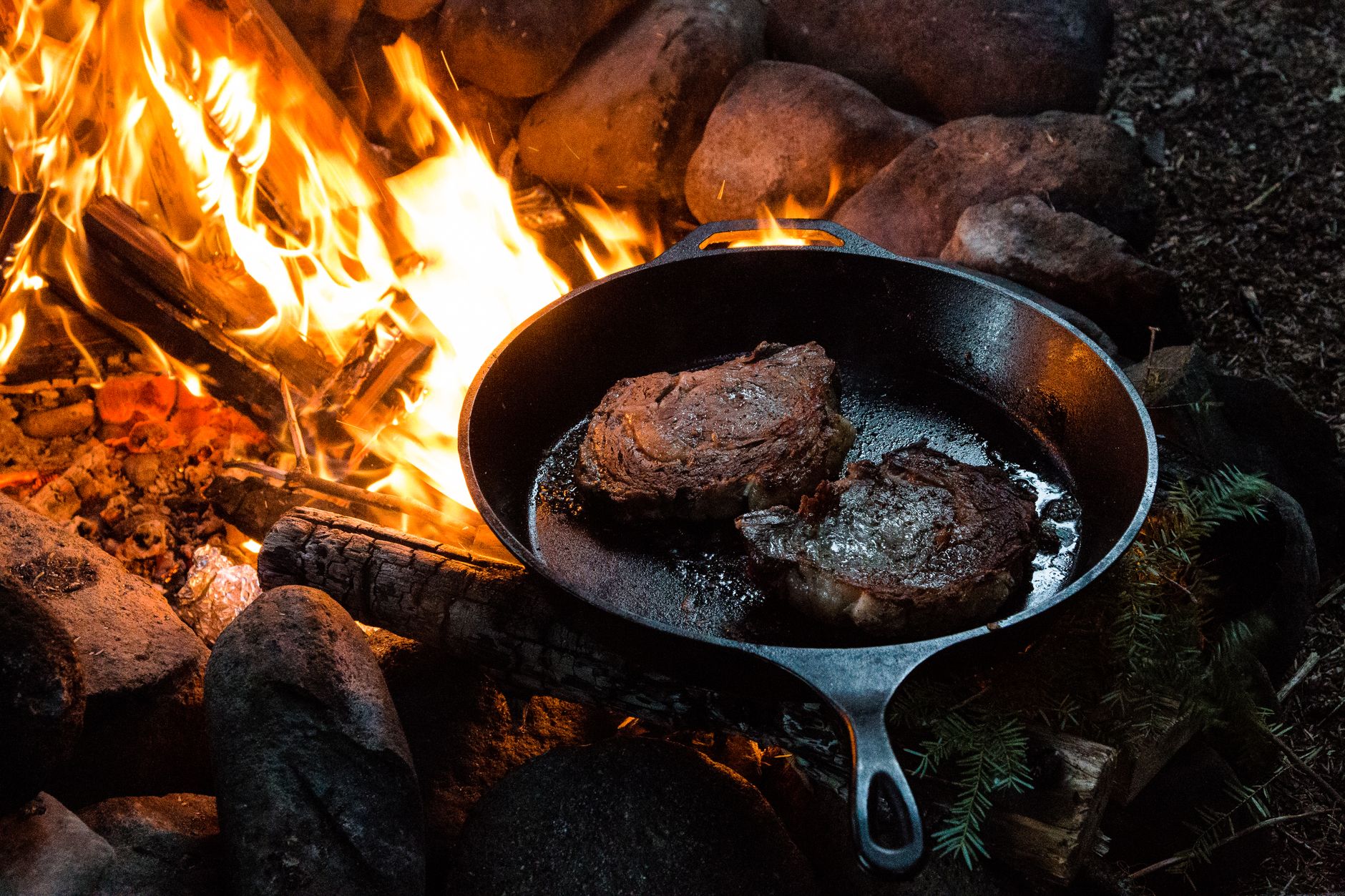
Cooking the perfect steak is an art form that many strive to master. A key factor in achieving that coveted delicious crust is knowing what temperature to sear steak. Searing not only enhances flavor but also locks in juices, making it a crucial step in the cooking process.
In this guide, we will explore the ideal temperatures for searing steak, how to check for doneness, and all the techniques you need to ensure you achieve the best results every time.
What Temp to Sear Steak?
The ideal temperature for searing steak is between 400°F to 500°F (204°C to 260°C). At this range, the steak will develop a great crust while remaining juicy and flavorful inside. If searing on a grill or in a pan, ensure that your cooking surface reaches this temperature before adding the steak.
Understanding the Searing Process
Searing is the process of cooking the surface of the meat at a high temperature until a browned crust forms. This Maillard reaction not only contributes to the color but also adds depth to the flavor. It’s important to note that searing does not cook the steak through; it simply enhances its exterior.
To achieve a great sear, make sure your steak is at room temperature before cooking. Cold steaks can lower the cooking surface temperature, preventing proper browning.
Tools You Will Need
- Heavy skillet or cast-iron pan
- Grill (gas or charcoal)
- Thick-cut steak (sirloin, ribeye, filet mignon, etc.)
- Instant-read meat thermometer
- Tongs
- Kitchen timer
- Salt and pepper (or your preferred seasoning)
Preparing the Steak
Proper preparation is essential for both flavor and texture. Here’s how to prepare your steak for searing:
- Remove the steak from the refrigerator about 30 to 60 minutes before cooking to allow it to reach room temperature.
- Pat the steak dry with paper towels to remove excess moisture, which can hinder the searing process.
- Season generously with salt and pepper. Allowing it to sit for a short while enhances the flavor through the salt’s penetration.
Cooking Methods for Searing Steak
You can sear steak using different methods, including stovetop, grill, or broiler. Each method has its advantages, but they all aim to reach that perfect sear temperature.
Searing Steak in a Skillet
Using a skillet, particularly a cast-iron one, is a popular method due to its ability to retain heat.
- Place the skillet on the stove over medium-high heat. Allow it to preheat for several minutes until very hot.
- Add a small amount of oil with a high smoke point (such as canola or grapeseed) before placing the steak in the pan.
- Once the oil shimmers, add the steak. You should hear a sizzle. Avoid overcrowding the pan; sear one or two steaks at a time.
- Cook without moving the steak for about 3-4 minutes on the first side, or until a deep brown crust forms.
- Flip the steak with tongs and sear the other side for about 2-3 minutes, depending on the thickness and desired doneness.
Searing Steak on the Grill
Grilling imparts a unique flavor from the smoke. Follow these steps for a great sear:
- Preheat your grill on high for about 15 minutes. Ensure the grates are clean and well-oiled to prevent sticking.
- As with the skillet method, season your steak and let it come to room temperature.
- Place the steak on the grill at a 45-degree angle to the grates to achieve beautiful grill marks. Sear for about 4-5 minutes.
- Rotate the steak to create crosshatch marks, then flip it for another 3-4 minutes until it reaches your desired doneness.
Searing Steak in the Oven (Broiler Method)
Searing in the oven is a great alternative if you prefer to finish the steak cooking inside.
- Preheat your broiler to high and position the oven rack about 6-8 inches from the heat source.
- Prepare the steak by seasoning it and letting it come to room temperature.
- Place the steak on a broiler pan to catch drippings, then place it in the oven.
- Broil for about 4-5 minutes on one side before flipping and broiling for another 3-4 minutes.
Checking for Doneness
To ensure your steak is cooked to perfection, checking the internal temperature is crucial. The following temperatures correspond to different levels of doneness:
| Doneness | Temperature (°F) | Temperature (°C) |
|---|---|---|
| Rare | 120-125 | 49-52 |
| Medium Rare | 130-135 | 54-57 |
| Medium | 140-145 | 60-63 |
| Medium Well | 150-155 | 65-68 |
| Well Done | 160+ | 71+ |
For the best results, it is recommended to use an instant-read meat thermometer to check the internal temperature. Insert it into the thickest part of the steak for an accurate reading.
Common Mistakes to Avoid
While searing might seem straightforward, there are several common pitfalls to watch out for:
- Not Preheating: Ensure your skillet or grill is hot enough before adding the steak. A good sear requires high heat.
- Overcrowding: Avoid cooking multiple steaks at once in the same pan. This can lower the temperature and lead to steaming instead of searing.
- Using the Wrong Oil: Use an oil with a high smoke point to avoid burning and unpleasant flavors.
- Skipping the Thermometer: Relying solely on time can lead to overcooked or undercooked steaks. Use a meat thermometer for accurate results.
- Slicing Too Soon: Allow the steak to rest for a few minutes after cooking before slicing. This allows the juices to redistribute.
Serving Suggestions
A perfectly seared steak can be served in numerous ways. Here are a few ideas:
- Serve the steak with a side of mashed potatoes and roasted vegetables for a hearty meal.
- Top the steak with a compound butter infused with herbs or garlic for added flavor.
- Slice the steak thinly and serve it in a sandwich or salad for a delightful lunch option.
- Pair the steak with a rich red wine to enhance the meal’s flavors.
Make-Ahead and Storage Tips
Cooking steak to precision often involves planning. Here are some make-ahead options:
- Marinate the steak a few hours or overnight to enhance flavors and tenderness.
- Cook the steak in advance and reheat it on the grill or skillet over low heat while monitoring the temperature closely.
- Store any leftover cooked steak in an airtight container in the refrigerator for up to 3 days.
For storage, wrap the steak tightly in plastic wrap and aluminum foil or place it in a vacuum-sealed bag for longer shelf life in the freezer. It can be stored for up to 6 months in the freezer.
Final Thoughts
Knowing what temperature to sear steak is crucial for unlocking full flavor and achieving the perfect crust. From choosing the right cooking method to understanding doneness, each step plays a significant role in the final outcome. By following these guidelines, you can confidently create a restaurant-quality steak at home. Experiment with different cuts, seasonings, and serving styles to find your favorite combination.
For more flavor tips, check out our steak seasoning recipe or explore our Delmonico steak recipe for delicious variations.