
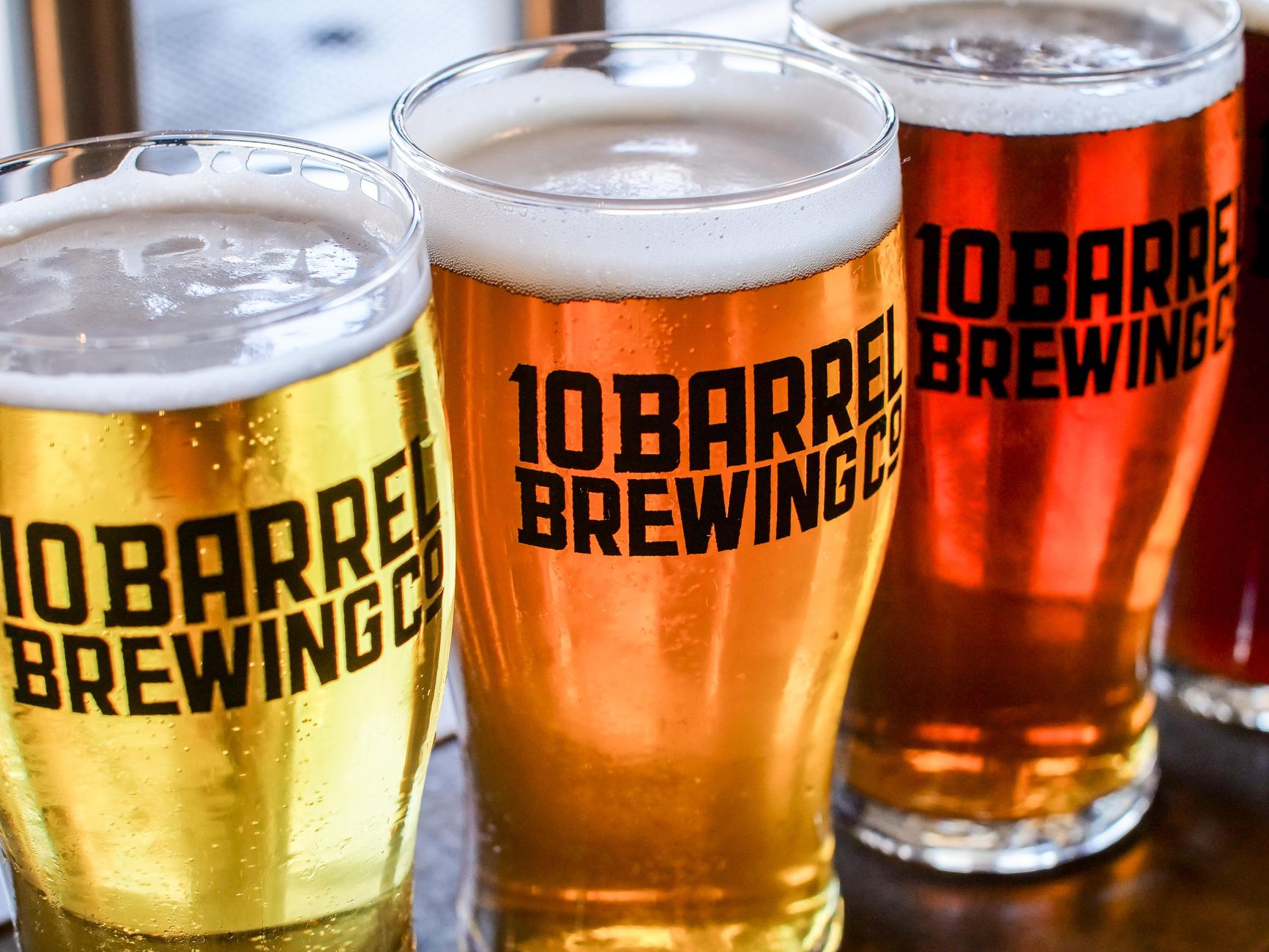
Beer, a beloved beverage worldwide, comes in various styles and flavors. With the rise of low-carb diets, many are becoming curious about the carbohydrate content in beer. Understanding whether beer has carbs, and how it fits into your nutrition plan, can help you make informed choices regardless of your dietary goals.
This guide will explore the carbohydrate content in different types of beer, the nutritional facts associated with them, and how serving sizes can impact your overall intake. Let’s delve into the specifics of beer and carbs.
Does Beer Have Carbs?
Yes, beer does contain carbohydrates, though the amount varies significantly depending on the type and brand. Most beers contain between 10 to 20 grams of carbohydrates per serving, but light beers generally have fewer carbs compared to regular beers. Understanding these differences will help you manage your carbohydrate intake effectively.
Nutritional Facts of Beer
Beer primarily consists of water, hops, malt, and yeast, which contribute to its flavor and carbohydrate content. Here’s a general breakdown of what you can expect nutritionally from a standard 12-ounce (355-milliliter) serving of beer:
- Calories: Approximately 150 to 200 calories
- Carbohydrates: Typically 10 to 20 grams
- Protein: About 1 to 2 grams
- Fat: 0 grams
- Alcohol by volume (ABV): Generally 4% to 6%
Types of Beer and Their Carb Contents
The carbohydrate content in beer will greatly depend on the brewing process and ingredients used. Here’s an overview of some common beer types and their average carb counts:
Regular Beer
Regular lagers and ales usually have a higher carb content. Expect around 12 to 20 grams of carbs per 12-ounce serving. For instance:
- Pale Ale: Approximately 13 to 20 grams of carbs
- IPA (India Pale Ale): About 15 to 20 grams of carbs
- Stout: Generally around 18 to 22 grams of carbs
Light Beer
Light beers are specifically designed to have fewer calories and carbohydrates. They usually contain about 3 to 10 grams of carbs per 12-ounce serving. Examples include:
- Bud Light: Approximately 6.6 grams of carbs
- Miller Lite: Roughly 3.2 grams of carbs
- Coors Light: About 5 grams of carbs
Non-Alcoholic Beer
Non-alcoholic beers often contain fewer carbs, typically ranging from 0 to 10 grams per serving, but this can vary. Consider the following:
- Heineken 0.0: Approximately 7 grams of carbs
- BrewDog’s Nanny State: Around 1 gram of carbs
Craft and Specialty Beers
Craft beers often have varying carb counts due to unique ingredients and brewing methods. They can range dramatically, sometimes exceeding 20 grams of carbs in a single serving. Always check the label for precise measurements.
Choosing the Right Beer for Your Diet
If you’re monitoring your carbohydrate intake, here are some factors to consider when selecting a beer:
Read the Labels
Always check the nutrition facts label when available. It provides specific information on calories, carbs, and other relevant ingredients that can influence dietary choices.
Moderation is Key
Portion control can help manage carbohydrate intake. Opt for smaller servings or split a beer with a friend when enjoying a night out to keep carbs in check.
Consider the Occasion
Different settings may call for different beers. For casual gatherings, light beers or lower-carb options are usually best, whereas a rich stout may be more appropriate for special occasions.
Practical Substitutions for Beer in Cooking
Beer is often utilized as an ingredient in cooking, particularly in marinades, stews, and batters. If carbohydrates are a concern, consider these substitution options:
- Non-Alcoholic Beer: Use as a direct substitute for regular beer in recipes; it typically has lower carbs.
- Broth: For savory dishes, chicken or vegetable broth can replace beer while adding flavor without the carbs.
- Seltzer Water: In batters, the fizz can mimic beer’s effervescence while cutting out the carbs.
Common Mistakes When Choosing Beer
Here are some common pitfalls to avoid when selecting beer if you are concerned about carbohydrates:
Assuming All Light Beers Are Low-Carb
Not all light beers are created equal. Some still contain higher carb counts, so reviewing the nutrition label is essential.
Ignoring Craft Beer Trends
Many craft beers may focus on flavor rather than carb content. These often come with higher carbohydrate counts, so if it’s a priority, proceed with caution.
Overlooking Serving Sizes
Many people underestimate how a large pour can impact carb intake. A standard serving is 12 ounces, so be cautious with larger mugs or craft pours.
Storage and Shelf Life of Beer
Proper storage ensures the taste and quality of beer are preserved. Here’s how to manage beer storage:
Temperature
Store beer in a cool, dark place, ideally between 45°F to 55°F (7°C to 13°C). Keep it away from light and heat, which can affect flavor.
Expiration Guidelines
While many beers are safe to drink beyond their “best by” date, flavor can diminish over time. It’s typically recommended to consume beer within 6 months to a year of purchase for optimal taste.
Pairs Well: Food Pairing with Beer
Beer can complement many dishes. Here are some classic pairings to consider:
Light Beers
With their crisp flavors, light beers pair well with:
- Salads
- Grilled chicken or fish
- Light appetizers like bruschetta
Ales and IPAs
The hoppy bitterness in ales pairs deliciously with:
- Burgers and barbecue
- Spicy dishes
- Cheese platters, particularly aged varieties
Stouts and Porters
The rich flavors of stouts match well with:
- Chocolate desserts
- Hearty stews
- Grilled meats
Conclusion
Beer contains carbohydrates, with the amount varying significantly by type and brand. Whether you’re enjoying a light beer at a summer BBQ or indulging in a rich stout during the colder months, being informed about how the beer you choose fits into your dietary preferences is essential. Evaluate labels, check carb counts, and remember portion sizes. With the right choices, you can enjoy your favorite brews while managing your carb intake effectively.
If you’re looking for more information on drink options, explore our articles on Bud Light and its nutritional facts or check out how many carbs are in eggs for a balanced diet.