
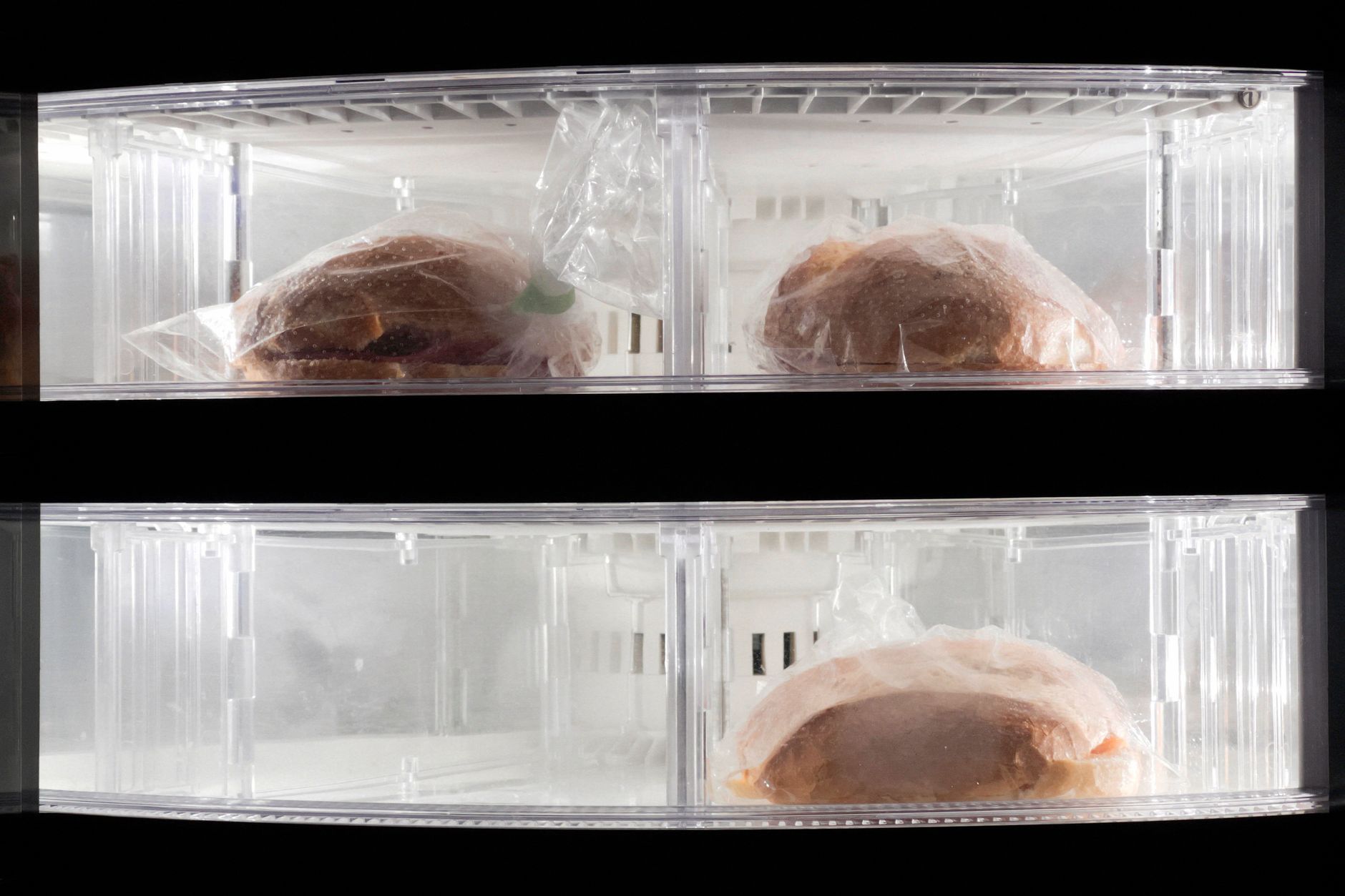
Sandwiches are a common favorite for meals and snacks, loved for their versatility and convenience. However, many people wonder how long a sandwich can safely sit in the fridge without compromising its quality or safety. Let’s explore the factors that influence a sandwich’s shelf life in the refrigerator and how you can ensure your favorite creations stay fresh.
Understanding how long a sandwich lasts can help prevent food waste and keep you safe from potential foodborne illnesses. This comprehensive guide will cover the various ingredients that make up a sandwich, appropriate storage methods, and key tips to maximize freshness.
How Long Is a Sandwich Good for in the Fridge?
A sandwich generally remains safe to eat for 3 to 4 days when properly stored in the refrigerator. However, its shelf life can vary significantly depending on the ingredients used, the preparation method, and how it has been stored. For optimum freshness, it is essential to take into account these factors.
Factors That Affect Sandwich Shelf Life
Not all sandwiches are created equal when it comes to preservation. Several factors can influence how long a sandwich will last in the fridge:
- Ingredients: The type of ingredients plays a significant role in a sandwich’s longevity. Perishable items, such as mayonnaise, eggs, meats, and cheeses, can spoil more quickly than items like vegetables or spreads.
- Storage methods: How you store your sandwich can affect how long it stays fresh. Wrapping it tightly in plastic wrap, aluminum foil, or storing it in an airtight container can prevent moisture loss and contamination.
- Temperature: Maintaining a consistent refrigerator temperature at or below 40°F (4°C) is vital. If the temperature fluctuates or is higher than this, it can accelerate spoilage.
- Preparation methods: Pre-made sandwiches may have preservatives that extend their shelf life, while fresh, homemade sandwiches may not, making them more susceptible to spoilage.
Understanding Different Types of Sandwiches
Sandwiches can be broadly categorized into several types, each with specific ingredients that impact storage time:
1. Cold Sandwiches
Cold sandwiches typically contain meats, cheeses, and condiments and are often made with vegetables and spreads. When stored properly, they can last for about 3 to 5 days in the fridge. Popular examples include:
- Turkey and cheese sandwich
- BLT (bacon, lettuce, and tomato)
- Tuna or chicken salad sandwich
When preparing these sandwiches, be mindful of the freshness of the ingredients. Avoid using anything near its expiration date to enhance the shelf life of the sandwich.
2. Hot Sandwiches
Hot sandwiches, such as grilled cheese or paninis, contain cooked ingredients and often use melted cheese. These can typically last about 3 to 4 days in the fridge. The key factor to ensure safe storage is letting them cool completely before wrapping. Examples include:
- Grilled cheese
- Meatball sub
- Pulled pork sandwich
3. Open-Faced Sandwiches
Open-faced sandwiches, consisting of a single slice of bread topped with various ingredients, generally have a shorter shelf life. They can last 1 to 3 days in the fridge, depending on toppings. Examples include:
- Avocado toast
- Toast with hummus and veggies
- Bruschetta
Storage Best Practices for Sandwiches
To maximize the freshness and safety of your sandwiches, follow these storage best practices:
- Cool Before Storing: If your sandwich includes warm ingredients, allow it to cool to room temperature before wrapping it. This prevents condensation, which can lead to sogginess.
- Wrap Properly: Use plastic wrap, aluminum foil, or an airtight container. Properly wrapped sandwiches retain moisture and prevent them from drying out.
- Labeling: When storing multiple sandwiches, label them with the date they were made. This helps you keep track of freshness.
- Avoid Cross-Contamination: Store sandwiches separately from raw foods and leftovers to prevent contamination.
- Check Refrigerator Temperature: Use a refrigerator thermometer to ensure your fridge is consistently at 40°F (4°C) or colder.
Identifying Spoilage: Signs Your Sandwich Has Gone Bad
Even with proper storage, sandwiches can spoil and should be discarded if exhibiting any signs of spoilage. Common indicators include:
- Off Odor: A sour or unusual smell is a sure sign that ingredients have begun to spoil.
- Mold: Visible mold growth on bread, cheese, or vegetables indicates spoilage, and the sandwich should be discarded.
- Change in Texture: Soggy bread or slimy vegetables is a warning sign that the sandwich is no longer fresh.
Ingredient-specific Storage Considerations
Different ingredients require distinct handling and storage methods. Here are some tips based on common sandwich components:
Meats
Lunch meats and cooked meats are generally perishable. When preparing a meat sandwich, ensure:
- Use meat that’s fresh, preferably within its sell-by date.
- Store the sandwich in the fridge immediately after making it.
- Use sliced meat, as whole cuts tend to last longer.
Cheeses
Cheeses can be delicate. Here are some storage ideas:
- Hard cheeses tend to last longer than soft cheeses. Prefer harder cheeses for a longer-lasting sandwich.
- Wrap cheese tightly to maintain freshness.
- Keep cheese sandwiches refrigerated at all times.
Vegetables
Incorporating fresh vegetables can enhance a sandwich; however, they may spoil faster:
- Use crisp, fresh vegetables and avoid those with visible bruising.
- Consider adding wet ingredients, like tomatoes or cucumbers, just before serving to prevent sogginess.
- Remove any wilted or slimy vegetables immediately.
Condiments
Condiments can affect storage and freshness:
- Avoid excessive amounts of mayonnaise or mustard, as they can make bread soggy.
- Consider using condiment packets for sandwiches that will not be eaten immediately.
- Store opened condiments per the package directions for optimal freshness.
Make-Ahead Sandwich Strategies
Making sandwiches ahead of time can help save precious minutes during a busy week. Here’s how to prepare them safely:
- Choose the Right Ingredients: Opt for ingredients with longer shelf lives, such as cured meats and hard cheeses.
- Layer Wisely: To enhance freshness, layer ingredients in a way that keeps moisture at bay. For example, place tougher vegetables next to the bread and softer ingredients next to the meat.
- Use Separate Containers: If you plan to prepare sandwiches days in advance, consider storing ingredients separately and assembling them right before consuming.
Freezing Sandwiches: An Alternative Option
If you want to store sandwiches for even longer, consider freezing them. Freezing extends their shelf life significantly, with most frozen sandwiches lasting up to three months. Here’s how:
- Wrap Tightly: Wrap sandwiches thoroughly in plastic wrap or aluminum foil to prevent freezer burn.
- Label with Date: Clearly label your frozen sandwiches with the date and type.
- Thaw Carefully: To thaw your sandwich, place it in the fridge overnight or leave it out at room temperature for a few hours. Avoid microwaving them if you want to keep the bread texture intact.
Common Mistakes When Storing Sandwiches
While storage sounds straightforward, some common mistakes can lead to spoilage:
- Not Wrapping Tightly: Loose wrapping can lead to stale bread and dried-out fillings.
- Ignoring Expiration Dates: Using expired ingredients can shorten the sandwich’s shelf life.
- Storing at Higher Temperatures: Keeping sandwiches in a warm spot can increase the risk of bacteria growth.
Sandwich Recipes for Your Meal Prep
Ready to put these storage tips into practice? Here are a few easy sandwich recipe ideas you can make ahead of time:
1. Turkey and Cheese Wrap
This simple wrap makes a great lunch option that keeps well in the fridge.
- 1 large tortilla
- 4 slices of turkey
- 2 slices of cheese (cheddar or swiss)
- 1/4 cup spinach or lettuce
- 1 tablespoon mustard or mayo
Instructions:
- Spread mustard or mayo over the tortilla.
- Layer turkey slices, cheese, and spinach on top.
- Roll up tightly, then slice in half. Wrap in plastic wrap and store in the fridge.
2. Veggie and Hummus Sandwich
This meatless option is satisfying and full of flavor!
- 2 slices of whole grain bread
- 1/4 cup hummus
- 1/4 cup cucumber, sliced
- 1/4 cup bell pepper, sliced
- 1/4 cup shredded carrots
Instructions:
- Spread hummus evenly on both slices of bread.
- Layer cucumbers, peppers, and carrots on one slice.
- Top with the other slice of bread, cut in half, and wrap.
Wrapping Up
Knowing how long a sandwich is good for in the fridge allows you to plan your meals effectively and minimize food waste. The general guideline is a shelf life of 3 to 4 days when properly stored; however, many factors can influence the final outcome.
By understanding the components of your sandwich, following safe storage practices, and recognizing signs of spoilage, you can enjoy delicious and convenient meals with peace of mind. For additional food storage advice, consider checking how long cooked ground beef is good for in the fridge or how long chicken is good for in the fridge.
Explore more practical recipes and food guides to enhance your culinary skills and meal planning strategies.