
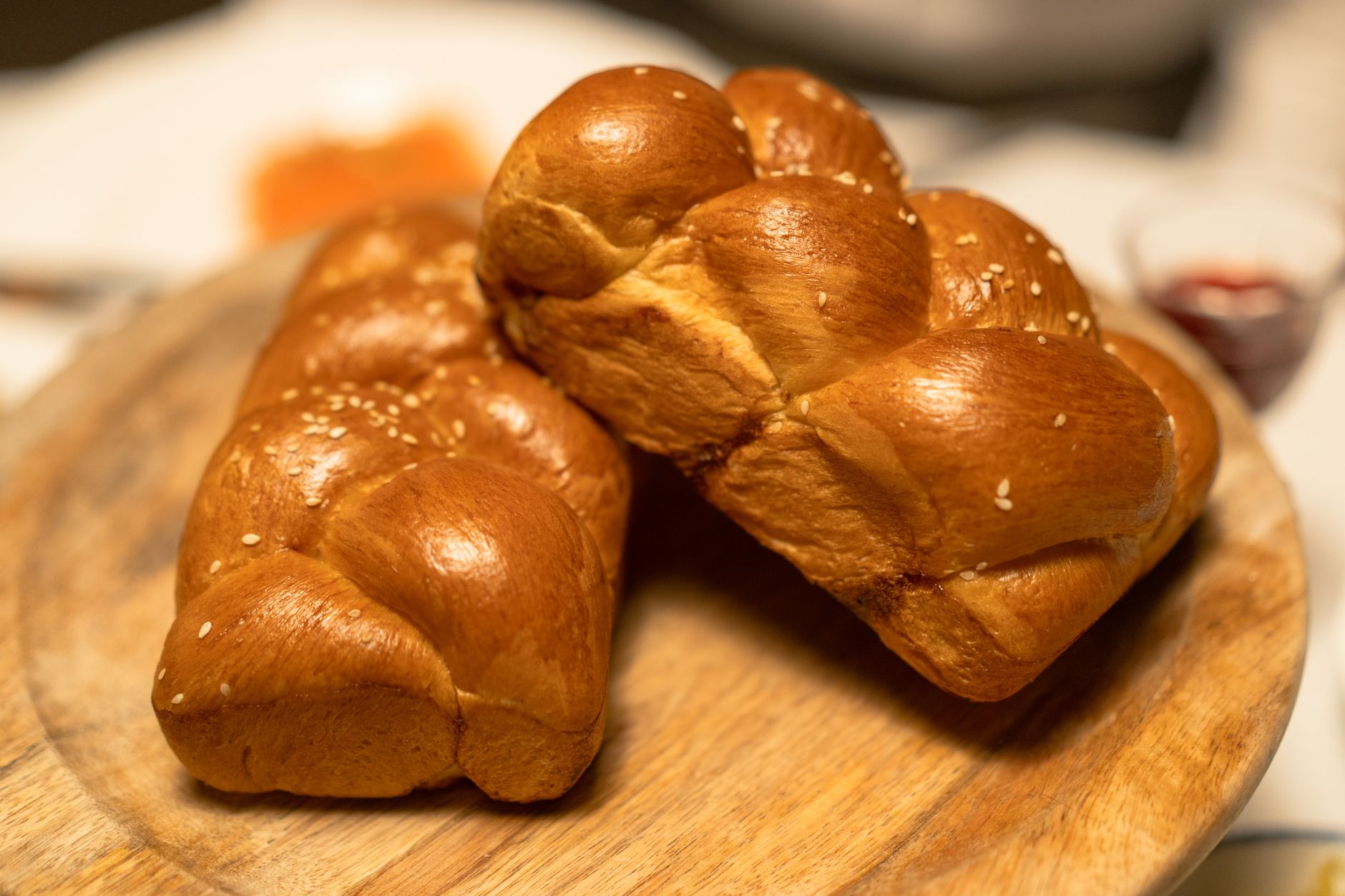
Challah bread, the rich, egg-enriched loaf traditionally enjoyed during Jewish Sabbath and holidays, has gained popularity beyond cultural boundaries. Its slightly sweet flavor and soft, braided appearance make it a favorite for various dishes, from French toast to sandwiches. But is challah bread healthy for you?
This article delves into the nutritional aspects, potential health benefits, and considerations of consuming challah bread, as well as tips for healthier choices. By understanding its ingredients and nutritional profile, you can make informed decisions on how to enjoy this beloved bread.
Is Challah Bread Healthy?
Generally, challah bread can be part of a balanced diet. However, its healthfulness largely depends on individual dietary needs and goals. Typically rich in carbohydrates and calories, it may not be the best choice for those watching their sugar intake or following low-carb diets. However, it offers essential nutrients when consumed in moderation.
Understanding Challah Bread
Challah is a traditional braided bread made with flour, water, sugar, yeast, and eggs. Its distinctive texture and flavor come from the use of eggs, which provide richness and moisture. The bread is often topped with sesame seeds or poppy seeds, adding an appealing crunch.
Challah holds cultural significance, symbolizing joy and abundance during Jewish celebrations and rituals. Its soft texture makes it versatile, serving delightfully as toast or sandwiches, while its sweetness allows it to complement desserts.
Nutritional Profile of Challah Bread
The exact nutritional content can vary based on the recipe and specific ingredients used, particularly the ratio of flour to eggs and any added sugars or fats. Here’s a general breakdown of a one-ounce serving of traditional challah bread:
- Calories: 75-100
- Carbohydrates: 15-20g
- Protein: 2-3g
- Fat: 2-3g
- Sugar: 1-2g
- Fiber: <1g
Challah bread also provides small amounts of vitamins and minerals, including B vitamins (such as folate), iron, and magnesium. These micronutrients are essential for various bodily functions, including energy metabolism and oxygen transport.
Health Considerations
When assessing whether challah bread is healthy for you, consider the following factors:
1. Carbohydrate Content
As a bread, challah is carbohydrate-rich. For those managing blood sugar levels, such as individuals with diabetes, portion size is crucial. Consuming challah in moderation and combining it with protein and healthy fats can help regulate blood sugar spikes.
2. Added Sugars
Many challah recipes include sugar, contributing sweetness. However, excessive sugar intake can lead to various health issues, including weight gain and an increased risk of chronic diseases. Choosing recipes with less sugar or limiting consumption frequency can mitigate this concern.
3. Nutritional Balance
Challah provides minimal fiber, which is essential for digestive health. Pairing it with higher-fiber foods like fruits, vegetables, or whole grains can create a more balanced meal. Consider using challah as a side rather than the main focus of a meal to enhance the nutritional balance.
4. Allergens
Challah contains gluten due to its wheat flour base. Those with gluten intolerance or celiac disease should avoid traditional challah. For those with egg allergies, challah is not suitable due to the main ingredient. Substitutes can be explored for these dietary restrictions.
5. Healthy Alternatives
Health-conscious bakers can create healthier versions of this classic bread by experimenting with whole grain flour, natural sweeteners, and reduced-fat content. Whole wheat flour can add fiber, while alternatives like mashed bananas or applesauce can replace sugar partially.
Making Healthier Choices with Challah Bread
If you want to enjoy challah bread while maintaining a healthier lifestyle, consider the following tips:
- Portion Control: Serving smaller slices can help manage calorie intake while allowing you to savor the bread’s flavor.
- Toast It: Toasting challah brings out its sweetness and adds a delightful crunch. It can work well for breakfast topped with nut butter or avocado.
- Use Whole Wheat Flour: Substitute half or all of the all-purpose flour with whole wheat flour to increase fiber content and nutrients.
- Experiment with Natural Sweeteners: Consider reducing the amount of sugar in recipes and using natural sweeteners such as honey or maple syrup for flavor.
- Pair with Nutrient-Dense Foods: Use challah as a base for healthier toppings like greens and lean proteins instead of more calorically dense spreads.
How to Use Challah Bread in Meals
Challah bread’s versatile texture and flavor make it an excellent addition to various meals. Here are some ideas for utilizing challah bread in your everyday cooking:
1. Breakfast Options
- French Toast: Whisk eggs, milk, and cinnamon, then soak thick slices of challah, fry until golden, and serve with fresh fruit.
- Toast with Toppings: Top toasted challah with avocado, poached eggs, or nut butter for a filling breakfast.
2. Lunch Ideas
- Grilled Cheese: Use challah to create a decadent grilled cheese sandwich, pairing with your favorite cheeses and vegetables.
- Sandwiches: The sweetness of challah pairs beautifully with savory fillings, creating delightful sandwiches.
3. Dinner and Sides
- Stuffing or Bread Pudding: Use stale challah in stuffing for a unique twist or in bread pudding for an indulgent dessert.
- Croutons: Turn leftover challah into croutons by cubing, tossing with oil and seasoning, and baking until crisp.
Storage and Reheating Tips
Proper storage is crucial to maintaining the freshness of challah bread:
- Room Temperature: Store challah in a bread box or tightly wrapped in plastic wrap for up to three days.
- Freezing: If you have leftovers, slice challah and freeze individual pieces. Thaw at room temperature or toast directly from frozen.
- Reheating: For a warm loaf, wrap in aluminum foil and heat in a 350°F oven for about 10-15 minutes.
Common Mistakes When Baking Challah Bread
Baking challah bread can be enjoyable but also challenging. Here are common mistakes to avoid:
- Overproofing: Allowing the dough to rise too long can lead to a dense, flat loaf. Keep an eye on the dough, allowing it to double in size without exceeding that limit.
- Under-kneading: Proper gluten development is essential for the perfect texture. Knead until the dough is smooth and elastic.
- Incorrect Baking Temperature: Always preheat the oven to ensure even baking. An adequately heated oven helps achieve a cripsy crust.
Concluding Thoughts on Challah Bread
Challah bread can be enjoyed as part of a balanced diet when consumed mindfully. While it offers important nutrients, portion control and pairing it with healthy foods can enhance its value. By experimenting with recipes and substitutions, you can create versions of challah that cater to your dietary preferences while still enjoying its unique flavor and texture.
As you explore various ways to incorporate challah into your meals, remember to adjust the ingredient ratios and serve it alongside nutritious foods. Whether used for breakfast, lunch, or dinner, this traditional bread can be a delightful part of your culinary repertoire.
If you’re interested in learning more about bread options or healthy eating habits, check out articles like Is Bread Good for You? and Is Challah Bread Healthy?.