
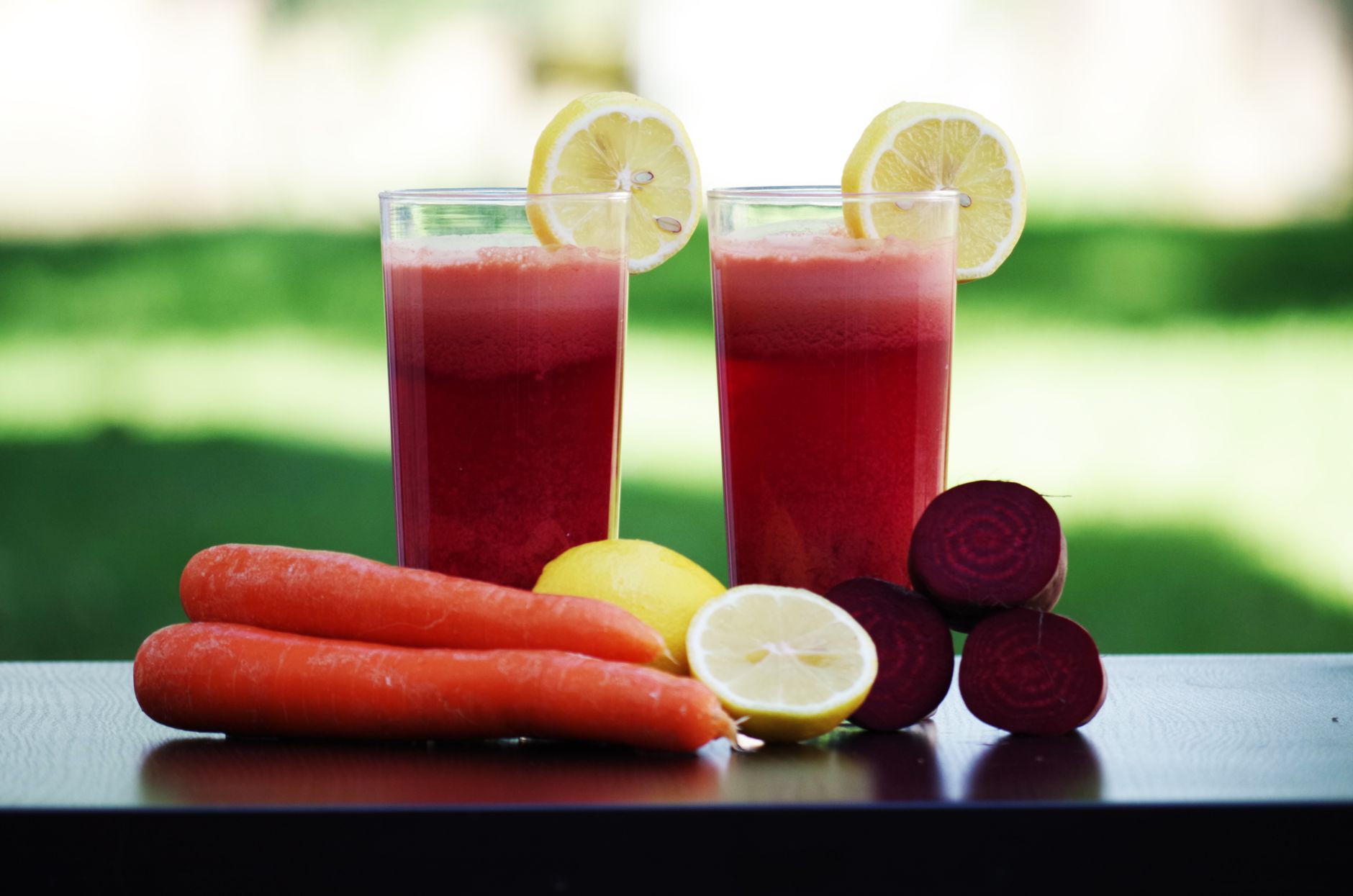
Beetroot juice, derived from beetroots, is a vibrant, ruby-red drink known for its distinct flavor and numerous potential health benefits. This juice is not only refreshing but also versatile in culinary applications, making it a favored choice among health enthusiasts and chefs alike.
In this article, we will explore what beetroot juice is, its ingredients, taste profile, culinary uses, and more, making it easier to incorporate this nutrient-dense juice into your diet.
What Is Beetroot Juice?
Beetroot juice is a liquid product obtained by juicing the roots of the beet plant (Beta vulgaris). The beets are typically washed, peeled, and then processed to extract their juices. The resulting beverage is a deep, rich hue, reflecting the natural pigments found in beetroots.
Not only is beetroot juice acclaimed for its color, but it also offers a unique earthy and slightly sweet taste profile that can enhance a variety of drinks and dishes.
Ingredients of Beetroot Juice
The primary ingredient in beetroot juice is, unsurprisingly, beetroots. However, additional components can be added to enhance flavor or nutritional value.
- Beetroots: These root vegetables are rich in vitamins, minerals, and antioxidants.
- Water: Often added to thin the juice, making it easier to drink.
- Citrus juices: Lemon or orange juice can be mixed in for a refreshing acidity that balances the sweetness of beets.
- Ginger: Fresh ginger can add a spicy kick and enhance the health benefits.
- Apple or carrot: These can be added for additional sweetness or flavor complexity.
The Taste of Beetroot Juice
Beetroot juice has a vibrant and earthy flavor profile. Its natural sweetness can be complemented by the acidity of citrus or the spiciness of ginger. When mixed with other fruits or vegetables, the juice takes on a more complex taste, appealing to a wide range of palates.
The texture of beetroot juice is smooth, often depending on the method of preparation. Cold-pressed juices are typically silkier than those made with a traditional juicer. The brightness of beetroot juice, both in flavor and color, can elevate the overall sensory experience of a beverage or dish.
Culinary Uses of Beetroot Juice
Beetroot juice can be utilized in a variety of culinary contexts, thanks to its dynamic flavor and nutritional benefits. Here are some practical uses:
1. Beverages
Beetroot juice is a staple in smoothies, offering a nutritional boost. It can be mixed with ingredients like spinach, banana, or yogurt to create creamy, delicious smoothies. Additionally, it serves as a base for juices, mocktails, or cocktails, providing both sweetness and attractive color.
2. Salad Dressings
Incorporate beetroot juice into dressings for salads to add a sweet and tangy element. Combine it with olive oil, vinegar, and herbs to create a vibrant dressing that pairs well with leafy green salads.
3. Soups
Beetroot juice can be used in soups such as borscht, a traditional Eastern European soup that highlights the flavor and color of beets. This juice can either be added directly to the soup or used as a garnish for a striking presentation.
4. Baking
Beetroot juice can provide moisture and natural sweetness in baked goods. It’s often used in recipes for cakes, brownies, or pancakes to impart color and health benefits without additional refined sugars.
5. Dips and Spreads
Blend beetroot juice with yogurt, tahini, or cheese to create dips and spreads. These can serve as colorful accompaniments for vegetables or breads, suitable for parties or as healthy snacks.
How to Make Beetroot Juice at Home
Creating beetroot juice at home is straightforward and allows for customization based on personal preferences. Here’s a simple method to prepare your own beetroot juice:
Equipment Needed
- Juicer (or blender and fine mesh strainer)
- Vegetable peeler
- Cutting board
- Sharp knife
- Container for juice
Ingredients
- 2 medium-sized beetroots
- 1 tablespoon lemon or lime juice
- 1 inch fresh ginger (optional)
- Water (optional, to dilute)
Method
- Wash and peel the beetroots. Cut them into quarters to make them easier to process.
- If using a juicer, process the beetroot pieces according to the manufacturer’s instructions.
- If using a blender, add beetroot pieces along with a cup of water to the blender. Blend until smooth.
- Strain the blended mixture through a fine mesh strainer or cheesecloth to separate the juice from the pulp.
- Add in lemon juice and ginger (if using), and mix well. Adjust the thickness of the juice by adding more water if desired.
- Pour the juice into a glass or container, and enjoy immediately or refrigerate for later use.
Practical Tips When Making Beetroot Juice
To get the most out of your beetroot juicing experience, consider the following tips:
- Choose Fresh Beetroots: Look for firm, smooth beetroots with vibrant color. Avoid any that are soft or have blemishes.
- Wash Thoroughly: Clean the beetroots under running water to remove any dirt or pesticides before preparing.
- Mix Flavors: Experiment with different fruits and vegetables to find a combination that pleases your palate.
- Use Immediately: Fresh juice is best consumed shortly after preparation to enjoy the maximum nutrients and flavor.
Common Mistakes When Juicing Beetroots
While making beetroot juice is generally easy, some common missteps can impact the final product. Here are issues to avoid:
- Overly Diluting: Adding too much water can weaken the flavor. Start with a small amount and adjust as necessary.
- Not Straining: If you use a blender, neglecting to strain can leave you with a gritty texture. Always strain for a smoother finish.
- Ignoring Preparation: Failing to peel or properly chop the beets can lead to inefficient juicing and a less pleasant taste.
Storage and Shelf Life of Beetroot Juice
Fresh beetroot juice should ideally be consumed immediately for the best flavor and nutritional benefits. However, if you need to store it:
- Refrigerate the juice in a tightly sealed container.
- Consume within 3 to 5 days for optimal freshness.
- Do not freeze beetroot juice, as it can alter the flavor and texture.
Nutritional Benefits of Beetroot Juice
While this article does not provide detailed nutritional information, beetroot juice is known to contain various essential nutrients. Common components include:
- Vitamins: High in vitamin C and several B vitamins, aiding in overall health.
- Minerals: A good source of potassium, manganese, and iron, contributing to numerous bodily functions.
- Antioxidants: Contains betalains, powerful antioxidants that may support cell health.
Final Thoughts
Beetroot juice is a versatile ingredient that can enhance a variety of dishes and beverages while providing a vibrant color and tasteful flavor. Whether enjoyed on its own or used as part of a recipe, this juice offers an exciting way to incorporate healthful beets into one’s diet.
Next time you’re at the market, consider picking up some fresh beetroots to begin your juicing adventure or enhance your culinary creations. Explore more about delicious dishes like Harvard Beets or learn about the benefits of pomegranate juice at What Does Pomegranate Juice Do for You?.