
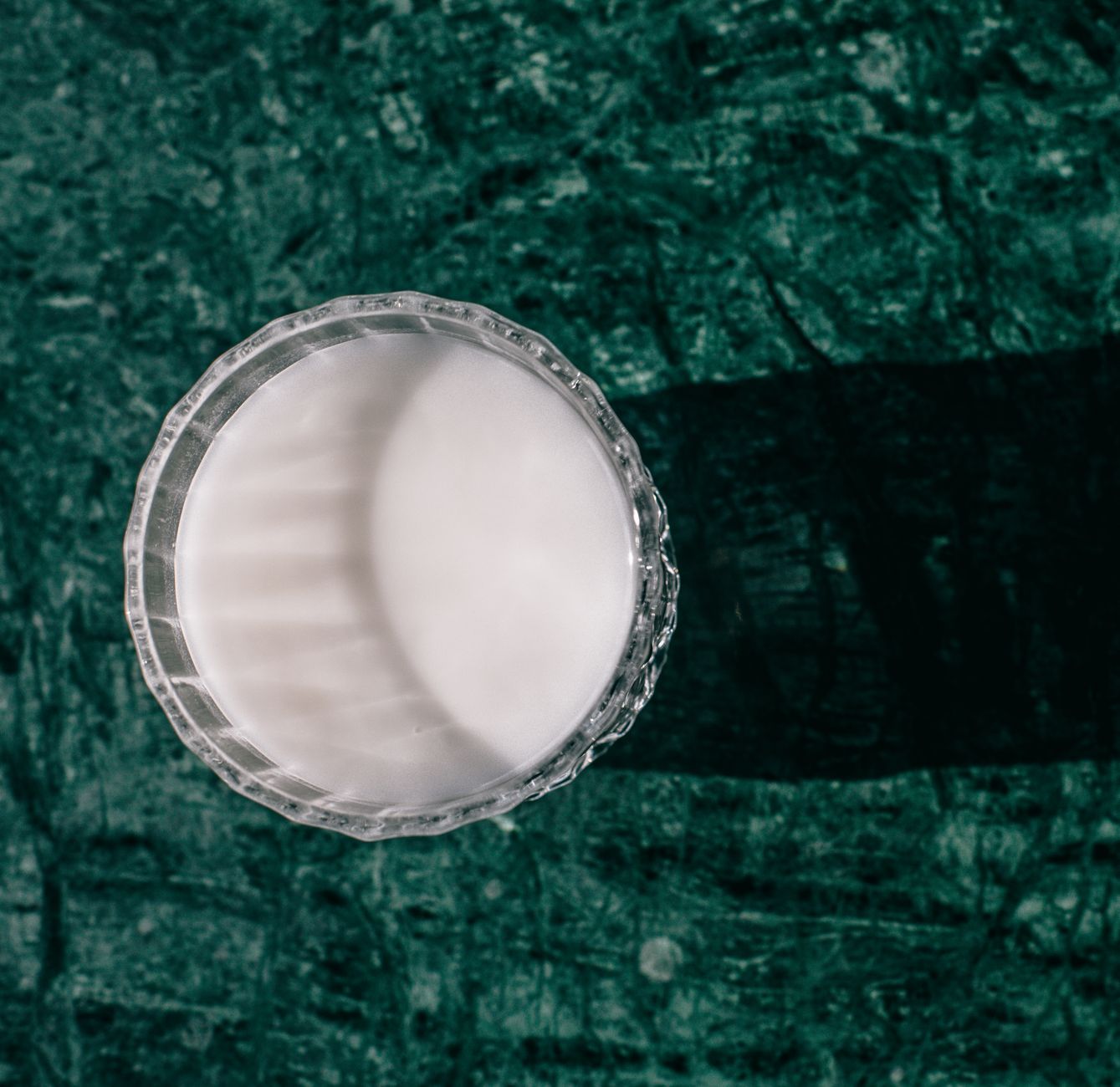
Evaporated milk is a versatile ingredient commonly found in numerous recipes, from savory dishes to decadent desserts. If you’ve ever wondered, “What does evaporated milk taste like?” you’re not alone. Understanding its flavor profile and texture can help you decide when and how to use it in your cooking.
This ingredient is made by gently heating milk to remove about 60% of its water content, resulting in a thicker consistency compared to regular milk. The process also intensifies its flavor, creating a rich taste that can complement a wide range of ingredients.
What Does Evaporated Milk Taste Like?
Evaporated milk has a distinct flavor that can be described as creamy, slightly sweet with a hint of caramelization due to the cooking process. Its texture is thicker and silkier than regular milk, which allows it to blend beautifully in both hot and cold dishes.
The removal of water enhances its sweetness and impart a deeper, more complex flavor. While it retains some of the milk’s natural characteristics, its concentrated nature gives it a unique profile that sets it apart from fresh milk.
Flavor and Aroma Comparisons
When comparing evaporated milk to other dairy products, a few distinctions become clear:
- Fresh Milk: Fresh milk is lighter, more watery, and has a more subdued flavor. In contrast, evaporated milk is denser with a slightly stronger, sweeter flavor.
- Condensed Milk: While both evaporated and condensed milk have undergone a cooking process, condensed milk is additionally sweetened, making it much sweeter and thicker than evaporated milk.
- Cream: Evaporated milk is creamier than regular milk but less rich than heavy cream. It serves as a good substitute in recipes that call for a lighter creaminess.
How to Use Evaporated Milk in Cooking
Evaporated milk can be used in a variety of ways, enhancing dishes with its creamy texture and rich flavor. Here are common culinary applications:
Cooking and Baking
- Soups and Sauces: Adding evaporated milk to soups and sauces gives them a velvety richness. It works particularly well in cream-based soups, where it can replace heavy cream without compromising flavor.
- Custards and Puddings: Evaporated milk is ideal for custards and puddings, providing a creamy texture without needing to add as much fat.
- Macaroni and Cheese: Use evaporated milk to make a creamy cheese sauce for macaroni and cheese, enhancing the dish’s overall richness.
- Pies: In pie recipes, particularly pumpkin pie, evaporated milk provides creaminess and helps set the filling without the need for additional eggs.
Drinks and Desserts
- Milkshakes and Smoothies: Use evaporated milk as a base for milkshakes and smoothies to create a thicker, creamier texture.
- Coffee and Tea: It can be used as a non-dairy creamer replacement in coffee or tea, adding a subtly sweet flavor.
- Fudges and Candy: Evaporated milk is often a key ingredient in homemade fudge and candies, providing a creamy base that enhances sweetness.
Baking with Evaporated Milk
Bakers love using evaporated milk for its ability to add moisture and richness to baked goods. Here’s how it can be incorporated:
- Cakes: Incorporate evaporated milk in cake batters for a moist crumb.
- Bread: Adding evaporated milk to bread dough can create a richer taste.
- Scones and Muffins: Use it in scones and muffins to achieve a delightful texture.
Practical Substitutions
If you don’t have evaporated milk on hand, there are several substitutions you can use, although the flavor and texture may vary:
- Heavy Cream: Mix one part heavy cream with one part water as a substitute. This will maintain a similar creaminess but will enhance richness.
- Milk and Cream Blend: Combine one cup of whole milk with a third cup of heavy cream. This will result in a similar texture and flavor profile.
- Milk Powder: Reconstitute milk powder according to package directions, adjusting the amount to create a thicker consistency.
Common Mistakes When Using Evaporated Milk
While evaporated milk is a versatile ingredient, there are a few common missteps to avoid:
- Confusing with Sweetened Condensed Milk: Be sure to use unsweetened evaporated milk when the recipe specifically calls for it, as sweetened condensed milk will alter the flavor and sweetness significantly.
- Skipping Temperature Adjustments: When using evaporated milk in hot dishes, gradually add it to prevent curdling. Adding it directly to very hot mixtures can lead to separation.
Evaporated Milk Storage Tips
Knowing how to store evaporated milk is essential for prolonging its shelf life. Here are some guidelines:
- Unopened Cans: Store in a cool, dry place. Unopened canned evaporated milk can last for months, or even years, depending on the expiration date.
- Opened Cans: Once opened, transfer any leftover evaporated milk to an airtight container and refrigerate. It should be used within 5-7 days.
- Freezing: You can freeze evaporated milk for later use, but the texture may change upon thawing. Seal it in a freezer-safe container and use it within three months.
Conclusion
Evaporated milk is a uniquely versatile ingredient that elevates dishes with its creaminess and slight sweetness. By understanding its flavor profile and applications, you can effortlessly incorporate it into your cooking and baking repertoire. Whether you’re making a comforting soup or a decadent dessert, evaporated milk can enhance the taste and texture of your favorite recipes.
For your next kitchen adventure, try out some recipes that include evaporated milk, such as this cinnamon roll recipe with heavy cream or indulge in a delicious cottage cheese mousse recipe that showcases the ingredient’s creamy properties.