
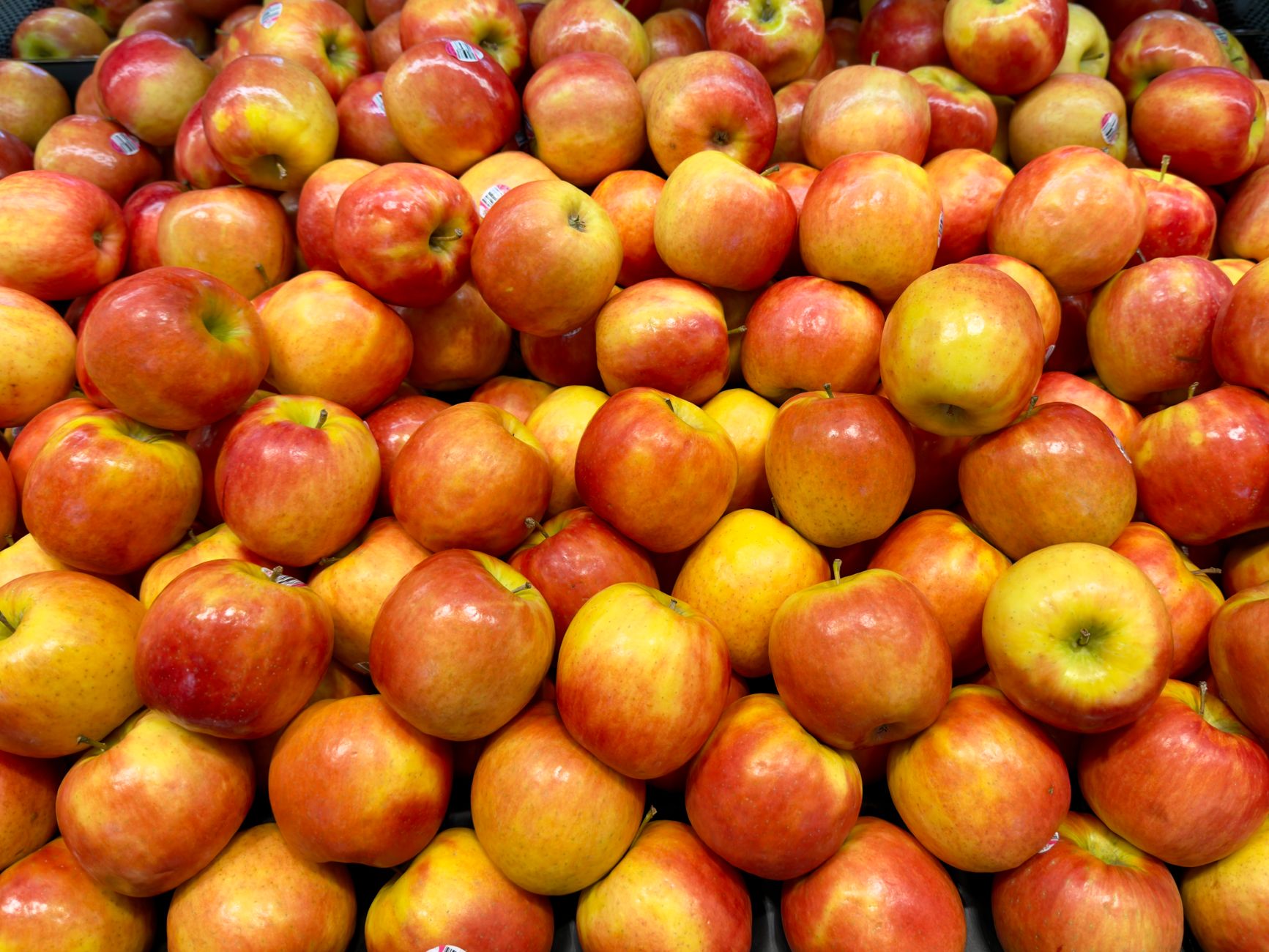
Apples are one of the most versatile fruits available, found in countless recipes and used for everything from snacking to baking. However, determining how many apples you need for a recipe, for meal planning, or when storing them can be a challenge. Understanding portion sizes, servings, and measuring tips will help you make the most of this crisp fruit.
This guide will walk you through everything you need to know about apples, including how to measure them, common serving sizes, and tips for incorporating them into your meals. Whether you are making a scrumptious apple pie, stirring up a fresh apple salad, or simply snacking, you’ll know how many apples to reach for!
How Many Apples do You Need?
The number of apples you need can depend on various factors, including the recipe, the portion size, and how you intend to use the apples. Here are some general guidelines to help answer the question: How many apples do you need?
General Recipe Guidelines
Different recipes call for varying amounts of apples. Here’s a quick breakdown:
- Apple Pie: Generally, you’ll need 6 to 8 medium-sized apples. This usually translates to about 2 to 2.5 pounds of apples.
- Apple Crisp: For a standard 9×13-inch pan, you will typically use about 4 to 5 medium-sized apples.
- Salads: When incorporating apples into salads, plan for half an apple per serving, so about 2 to 3 apples for a salad serving 4 to 6 people is ideal.
- Juicing or Smoothies: For 1 serving, one medium-sized apple is usually sufficient. This means around 3-4 apples will yield 3-4 servings.
Measuring Apples
When recipes call for “1 cup of diced apples” or “1 pound of apples,” understanding how to convert whole apples into these measurements is crucial:
- 1 medium apple: Approximately 1 cup when diced or sliced.
- 1 pound of apples: Roughly 3 medium apples or 2 large apples.
- 1 bushel of apples: Can yield about 48 quarts, which is perfect for long-term storage or large-scale baking.
Portion Sizes for Fresh Apples
When deciding on portion sizes, it’s important to consider how apples fit into your overall diet and meal planning. Here are some suggestions on how to portion apples for snacks, desserts, and meals:
Healthy Snacking
Apples are a fantastic healthy snack. Here’s how to portion them:
- For a single serving, consider a small apple, medium apple, or even a quarter of a large apple.
- Pair apple slices with nut butter or cheese for a more filling snack; this can be about half an apple with 2 tablespoons of nut butter.
Cooking and Baking Servings
When baking, the ideal apple serving sizes can vary:
- For pies and crisps, one serving is typically 1/8 of the dessert, which may contain multiple apples.
- For methods like baking apples whole, one apple per serving is common.
Choosing the Right Apples
Different varieties of apples offer different flavors, textures, and best uses in recipes. Here’s a look at some of the most popular varieties and what they are best for:
Common Apple Varieties
- Granny Smith: Tart and crisp, great for baking and cooking.
- Honeycrisp: Sweet and juicy, ideal for eating raw and salads.
- Fuji: Sweet flavor, versatile for snacking, salads, and cooking.
- Gala: A balance of sweetness and crispness, good for snacks and salads.
- Braeburn: A blend of sweet and tart, excellent for pies and crisps.
Storage Tips for Apples
To enjoy apples at their freshest, proper storage is key. Apples can be stored for days or weeks, depending on how you store them. Here are some tips:
Short-term Storage
- Keep apples in a cool, dry place, away from direct sunlight.
- Store them in the refrigerator to extend their shelf life, especially once they are cut or sliced.
Long-term Storage
- Apples can be stored in a cool cellar or garage if the temperatures do not dip below freezing.
- To store for an extended period, consider freezing apple slices: peel, core, slice, and freeze in single layers before transferring to an airtight container.
Cooking and Baking with Apples
Cooking and baking with apples can enhance their flavor and texture, making them a key ingredient in many delicious recipes. Here’s how you can work with apples in the kitchen:
Preparation Tips
- Wash apples thoroughly under running water to remove any pesticides or dirt.
- When peeling apples, a vegetable peeler works best to achieve thin skin. However, many recipes encourage keeping the skin on for added nutrition.
- When coring apples, use an apple corer for clean results. If not available, carefully cut around the core with a knife.
Using Apples in Recipes
- Apple Pie: Core and slice 6 to 8 apples, then mix with sugar, cinnamon, and nutmeg. Layer in a pie crust and bake until golden brown.
- Apple Crisp: Dice 4 to 5 apples and mix with brown sugar and spices. Top with a mixture of oats, flour, butter, and brown sugar, and bake until bubbling.
- Sautéed Apples: Slice apples and sauté them in butter with cinnamon and sugar until soft and caramelized. Great as a side dish or dessert topping.
Common Mistakes to Avoid
When working with apples, here are some common pitfalls to watch out for:
- Not using the right apple variety: Always choose an appropriate apple variety for your desired recipe outcome.
- Overcooking apples: Pay attention to cooking times to avoid mushy apples unless your recipe calls for that texture.
- Using non-fresh apples: Check for firmness and avoid any with bruises or soft spots to ensure the best taste and texture.
Serving Suggestions
Apples can be served in numerous ways, from fresh slices to delicious recipes. Here are some creative serving ideas:
- Serve sliced apples with a cheese platter for a sweet and salty experience.
- Incorporate apple chunks into savory salads with greens, nuts, and a tangy dressing.
- Garnish desserts like ice cream or yogurt with caramelized apple slices.
Make-Ahead Ideas
If preparing an apple dish ahead of time, consider these techniques:
- For apple pie, assemble with filling, cover with plastic wrap, and refrigerate until ready to bake. It helps develop flavors.
- With apple crisp, you can prepare the topping beforehand and store it separately until baking.
- For salads, prep the ingredients ahead, but add apple slices just before serving to prevent browning.
Conclusion
Understanding how many apples you need, how to choose the right ones, and incorporating them into your cooking will undoubtedly enhance your culinary endeavors. This delightful fruit is perfect for various recipes and meal plans, making it a staple in many kitchens.
Now that you know how to navigate apple purchases and recipes, consider exploring how to make apple compote or discover the best methods for preparing apple pie filling. Apples await your creativity in the kitchen!