
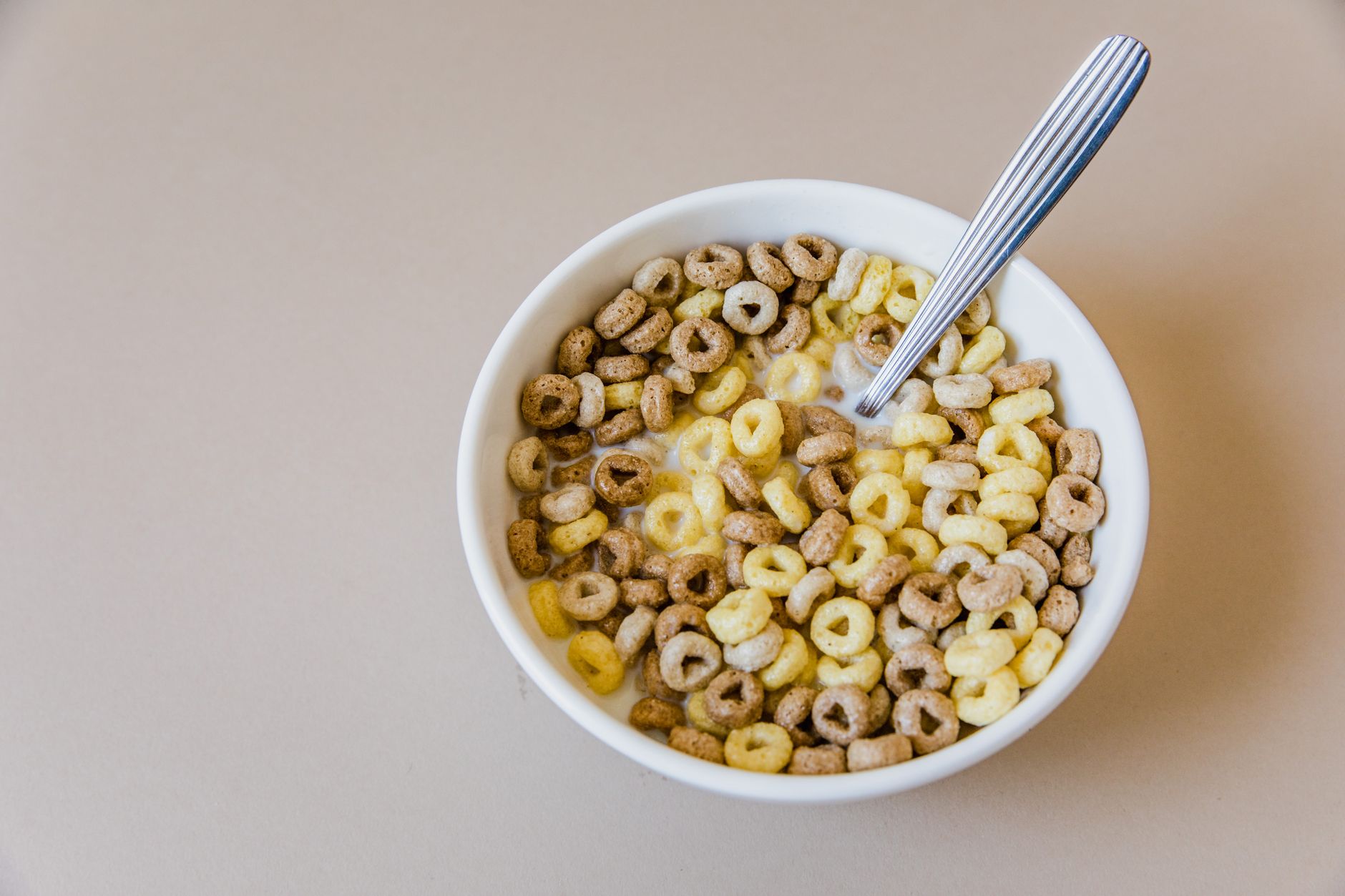
Fiber One is a popular brand known for its fiber-rich snacks and cereals, often marketed as a healthful option for those looking to increase their dietary fiber intake. But is Fiber One genuinely beneficial for you? This article dives into the nutrition profile of Fiber One products, their potential health benefits, and some considerations to keep in mind.
Understanding whether Fiber One aligns with your dietary needs and preferences can help you make informed choices. We’ll cover fiber sources, nutritional content, health impacts, and practical advice on incorporating Fiber One into your diet.
Is Fiber One Good for You?
Fiber One products can be good for you if you need to increase your fiber intake, manage weight, or improve digestive health. However, they may not suit everyone due to their sugar content or artificial ingredients. Understanding your dietary needs will help in determining their value for your lifestyle.
What Is Fiber One?
Fiber One is marketed as a high-fiber food brand, primarily known for breakfast cereals, snack bars, and other products rich in dietary fiber. These products are often crafted from bran, oats, and inulin, a type of soluble fiber. Designed to boost your daily fiber intake, Fiber One products position themselves as convenient, on-the-go options for busy lifestyles.
Types of Fiber One Products
- Fiber One Original Bran Cereal
- Fiber One Honey Clusters Cereal
- Fiber One Brownies
- Fiber One Snack Bars
- Fiber One Protein Bars
Understanding Dietary Fiber
Dietary fiber comes in two main types: soluble and insoluble. Understanding these types can help you appreciate how Fiber One can contribute to your overall health.
Soluble vs. Insoluble Fiber
Soluble fiber dissolves in water and forms a gel-like substance in the digestive tract. It helps lower cholesterol levels, regulate blood sugar, and increase the feeling of fullness. Foods rich in soluble fiber include oats, barley, beans, apples, and citrus fruits.
Insoluble fiber does not dissolve in water and adds bulk to stool, aiding in regular bowel movements. It helps prevent constipation and supports digestive health. Whole grains, nuts, seeds, and vegetables fall into this category.
Nutritional Profile of Fiber One Products
Fiber One products vary in nutritional content, but they generally have the following characteristics:
- High in Dietary Fiber: Many Fiber One products contain at least 20% of the recommended daily value of fiber in each serving.
- Low in Calories: Most products are low-calorie alternatives to traditional snacks and cereals.
- Added Sugars: Some Fiber One snacks and cereals contain added sugars, which can offset the benefits of their high fiber content.
- Artificial Ingredients: Certain Fiber One products include artificial sweeteners and preservatives that may not appeal to everyone.
Sample Nutritional Information
| Product | Serving Size | Calories | Total Fat | Sugar | Fiber |
|---|---|---|---|---|---|
| Fiber One Original Bran | 1/2 cup | 60 | 1g | 0g | 14g |
| Fiber One Brownies | 1 bar | 90 | 4g | 8g | 9g |
Health Benefits of Fiber One
Including fiber-rich foods like Fiber One in your diet can offer various health benefits, especially for those who may struggle to meet their fiber goals through other means.
1. Digestive Health
Fiber plays a crucial role in maintaining good digestive health. Insoluble fiber adds bulk to the stool, helping to prevent constipation and promoting regular bowel movements. Soluble fiber can improve gut health by acting as a prebiotic, feeding the beneficial bacteria in your intestines.
2. Weight Management
Foods high in fiber, such as Fiber One products, can help you feel full for longer periods. This satiety can reduce overall calorie intake, making it easier to manage weight. High-fiber products often have fewer calories than their low-fiber counterparts.
3. Blood Sugar Control
Fiber, particularly soluble fiber, can help regulate blood sugar levels by slowing down the digestion and absorption of carbohydrates. This helps prevent spikes and crashes in blood sugar that can lead to fatigue and cravings.
4. Heart Health
A diet high in fiber is linked to lower cholesterol levels, which can reduce the risk of heart disease. Soluble fiber helps to lower LDL (bad) cholesterol levels, offering protection to your heart.
5. Reduced Risk of Certain Diseases
Research suggests that fiber intake is associated with a lower risk of developing conditions such as obesity, type 2 diabetes, and colorectal cancer. Incorporating more fiber into your diet, including through Fiber One products, may offer long-term health benefits.
How to Incorporate Fiber One Into Your Diet
Finding easy ways to integrate Fiber One products into your meals and snacks ensures you reap the health benefits they offer. Here are some practical ideas:
1. Breakfast Boost
Start your day with Fiber One cereal topped with fresh fruits such as berries or bananas. Adding nuts or yogurt can provide a satisfying and nutritious morning meal.
2. Snack Time
Fiber One snack bars can serve as an excellent portable snack option. Pair them with a small serving of fruit or nuts to enhance nutrition and keep you satisfied between meals.
3. Baking with Fiber
Use Fiber One cereal as an ingredient in baked goods. Crush the cereal and substitute a portion of the flour in recipes for muffins or cookies to boost fiber content without sacrificing taste.
4. Smoothie Addition
Add a tablespoon of crushed Fiber One cereal to smoothies for an extra fiber boost. This makes for a creamy, delicious upgrade to your beverage.
5. Layered Parfaits
Create fiber-rich parfaits by layering yogurt, Fiber One, and your favorite fruits in a glass. Not only does it look appealing, but it also combines various nutrients in one dish.
Considerations: Is Fiber One Right for You?
While Fiber One has potential benefits, several factors should be considered before making it a staple in your diet.
1. Sugar Content
Some Fiber One products contain added sugars that can detract from their health benefits. It’s essential to read labels and choose options with lower sugar if you’re monitoring your sugar intake.
2. Artificial Ingredients
For individuals concerned about consuming artificial sweeteners or preservatives, consider choosing whole, natural sources of fiber such as fruits, vegetables, and whole grains. These options often provide fiber along with additional nutrients.
3. Individual Digestive Sensitivity
Some people may experience digestive discomfort when dramatically increasing fiber intake. Gradually increasing your fiber consumption and ensuring adequate hydration can aid in mitigating this. Pay attention to how your body responds.
Common Mistakes When Using Fiber One
Whether you’re new to Fiber One or an occasional consumer, avoiding common pitfalls can help you maximize the benefits of these products.
1. Not Staying Hydrated
Fiber works best when paired with plenty of fluids. If you increase your fiber intake—whether through Fiber One or other sources—be sure to drink enough water to help the fiber do its job.
2. Zeroing In on Fiber Alone
While fiber is essential, a balanced diet includes a variety of nutrients. Ensure you’re incorporating diverse food groups, including proteins, healthy fats, vitamins, and minerals, to meet your overall health needs.
Storage and Shelf Life
Proper storage of Fiber One products can help maintain their freshness. Most Fiber One cereals and bars have a shelf life of several months when stored in a cool, dry place. Always check the expiration date on packaging for assurance.
Tips for Storage
- Keep cereals in an airtight container to prevent moisture and maintain crunchiness.
- Store snack bars in a cool area, avoiding heat sources that could affect texture and flavor.
Conclusion
Fiber One products offer a convenient way to increase fiber intake, which can lead to numerous health benefits, including improved digestion and weight management. However, it’s essential to consider their sugar content and any artificial ingredients. By understanding how they fit within a broader dietary framework, you can enjoy the advantages of fiber while making informed choices about your health.
If you’re looking for more nutritious options to incorporate into your diet, explore the benefits of chia seeds at what are the benefits of chia seeds or discover if kale is a good fiber source at does kale have fiber.