
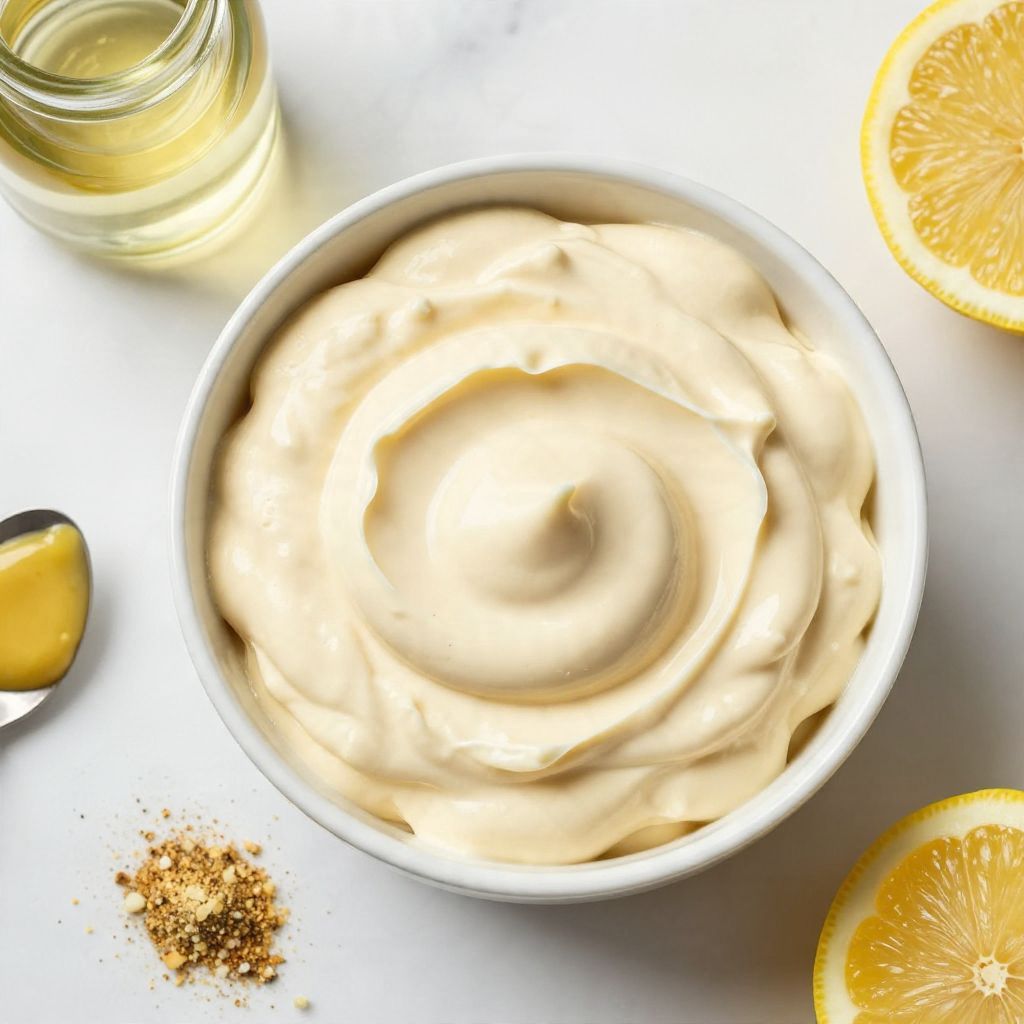
There’s something incredibly satisfying about whipping up a batch of homemade mayonnaise, especially when it’s fat-free mayonnaise. This recipe is a delightful solution for those seeking a creamy, tangy condiment without the guilt. It’s quick to prepare and super versatile, making it a kitchen staple for salads, sandwiches, and dips. With just a handful of ingredients, you’ll have a luscious spread that beats store-bought versions any day. Ready to get started? Let’s gather our ingredients!
Why You’ll Love This Recipe
This fat-free mayonnaise is a game changer for health-conscious cooks.
- Quick and easy to make in under 10 minutes.
- Perfectly creamy texture without the added fat.
- Customizable with your favorite flavors and spices.
- Great for sandwiches, dressings, and dips.
- Health-friendly and guilt-free alternative.
My Experience Making This Recipe
When I first decided to try making fat-free mayonnaise, I was skeptical about how it would turn out. I was pleasantly surprised by the creamy, smooth texture that rivaled traditional mayo.
Each time I make it, I’m reminded of how easy it is to whip up a batch. The flavor is fresh and customizable, allowing me to experiment with herbs and spices.
Recipe Overview
- Recipe Name: Homemade Fat Free Mayonnaise
- Servings: 8
- Prep Time: 10 minutes
- Cook Time: 0 minutes
- Total Time: 10 minutes
- Course: Condiment
- Cuisine: American
- Calories per Serving: 15
Equipment You Will Need
- Blender or food processor
- Measuring cups
- Measuring spoons
- Spatula
- Container for storage
Ingredients for Homemade Fat Free Mayonnaise
- 1 cup of unsweetened soy milk
- 1 tablespoon of apple cider vinegar
- 1 teaspoon of Dijon mustard
- 1 teaspoon of salt
- 1/2 teaspoon of garlic powder
- 1/4 teaspoon of onion powder
- 1 teaspoon of lemon juice (optional)
Ingredient Notes and Substitutions
- Soy milk: This is the base for our mayo, providing creaminess. You can substitute with almond milk or oat milk for a nut-free option.
- Apple cider vinegar: This adds tanginess to the mayo. White vinegar or lemon juice can work as alternatives.
- Dijon mustard: Adds depth of flavor. You can use yellow mustard if Dijon is unavailable.
- Salt: This enhances overall flavor. Feel free to use sea salt or omit if watching sodium intake.
- Garlic and onion powder: These add savory notes. You can leave them out or use fresh garlic and onions for a different flavor.
How to Make Homemade Fat Free Mayonnaise
Step 1: Gather Your Ingredients
Start by measuring out all your ingredients. Having everything ready makes the blending process smoother and faster.
Step 2: Combine the Base Ingredients
In your blender or food processor, add the soy milk, apple cider vinegar, and Dijon mustard. This combination creates the creamy base for your mayo.
Step 3: Blend Until Smooth
Blend the mixture on high for about 30 seconds until it is smooth. This ensures that all ingredients are well combined and the texture is perfect.
Step 4: Add the Seasonings
Next, add the salt, garlic powder, and onion powder. These seasonings will enhance the flavor of your mayonnaise.
Step 5: Blend Again
Blend the mixture for an additional 30 seconds. This step incorporates the seasonings fully and allows the flavors to meld together.
Step 6: Adjust the Consistency
If the mayo is too thick, add a teaspoon of water or lemon juice. Blend again until you reach your desired consistency.
Step 7: Taste and Adjust
Before transferring your mayo to a container, taste it. Adjust the seasoning according to your preference, adding more salt or lemon juice if desired.
Step 8: Store Your Mayonnaise
Transfer the mayonnaise to a clean container and seal tightly. Store it in the refrigerator for up to one week.
Pro Tip: For a flavor twist, try adding fresh herbs or spices to the mixture before blending!
Tips for the Best Homemade Fat Free Mayonnaise
- Make sure your soy milk is at room temperature for a smoother blend.
- Use a high-speed blender for the best texture.
- Taste as you go to achieve your perfect flavor balance.
- Experiment with different vinegars for unique flavor profiles.
- Store the mayo in a glass container for freshness and easy visibility.
Common Mistakes to Avoid
- Using cold soy milk: This can result in a lumpy texture. Always use room temperature ingredients.
- Not blending long enough: Insufficient blending can lead to a grainy mayo. Blend until fully smooth.
- Skipping the vinegar: Without acidity, the flavor will be flat. Always include vinegar or lemon juice.
- Over-seasoning: Too much salt or mustard can overpower the taste. Start with less and adjust gradually.
- Storing too long: Fat-free mayonnaise has a shorter shelf life. Use it within a week for the best quality.
Serving Suggestions
This homemade fat-free mayonnaise is incredibly versatile and pairs well with many dishes.
- Spread on sandwiches and wraps for a light touch.
- Use as a base for creamy dressings.
- Dip veggies or chips for a healthy snack.
- Add to potato or pasta salads for extra creaminess.
- Mix into deviled eggs for a lighter version.
Variations to Try
- Herbed Mayo: Add fresh herbs like dill or basil for a flavorful twist.
- Spicy Mayo: Incorporate a dash of hot sauce or cayenne pepper for heat.
- Garlic Mayo: Blend in fresh garlic for a robust flavor.
- Smoky Mayo: Use smoked paprika for a hint of smokiness.
- Lemon Herb Mayo: Add lemon zest and herbs for a refreshing taste.
Dietary Adaptations
- Gluten-free: All ingredients are naturally gluten-free.
- Dairy-free: This recipe is completely dairy-free.
- Vegan: No animal products are used, making it vegan-friendly.
- Low-carb/Keto: While low in carbs, check the soy milk label for any added sugars.
Storage and Reheating
Refrigerator
Store your homemade mayo in an airtight container. It will stay fresh for about a week in the fridge.
- Use a glass jar for easy cleaning and visibility.
- Label the jar with the date for reference.
Freezer
Freezing mayonnaise is not recommended, as it may separate upon thawing. It’s best enjoyed fresh.
- Prepare small batches to avoid waste.
- Make only what you can consume within a week.
Reheating
Since mayonnaise is served cold, there’s no need to reheat it. Simply stir before using if it has separated.
- Check for freshness before use, especially after a few days.
- Stir well to recombine any separated ingredients.
Nutrition Information
| Nutrient | Amount |
|---|---|
| Calories | 15 |
| Total Fat | 0g |
| Saturated Fat | 0g |
| Carbohydrates | 1g |
| Fiber | 0g |
| Sugar | 0g |
| Protein | 1g |
| Sodium | 200mg |
| Cholesterol | 0mg |
This nutritional information is approximate and can vary based on specific ingredients used.
Frequently Asked Questions
Can I use almond milk instead of soy milk?
Yes, almond milk works well, but it may alter the flavor slightly. Choose unsweetened varieties for the best results.
Can I make this ahead of time?
Absolutely! Prepare it a few days in advance for convenience. Just store it in the refrigerator until needed.
How long does homemade mayonnaise last?
Your homemade mayonnaise will stay fresh for about one week in the fridge. Always check for signs of spoilage before use.
What if the mayonnaise is too thin?
If it’s too runny, blend in a bit more soy milk or a thickening agent like cornstarch. This can help achieve the desired consistency.
Can I add flavors to it?
Definitely! Feel free to incorporate herbs, spices, or even garlic for added flavor. Just blend them in during preparation.
Final Thoughts
Making your own fat-free mayonnaise is not only simple, but it also allows you to control the ingredients and flavors. Once you try this recipe, you may never go back to store-bought options.
So, roll up your sleeves and give it a go! You might also enjoy exploring other delicious recipes like Garlic Mayo Recipe and Mayo Chicken Recipe.