
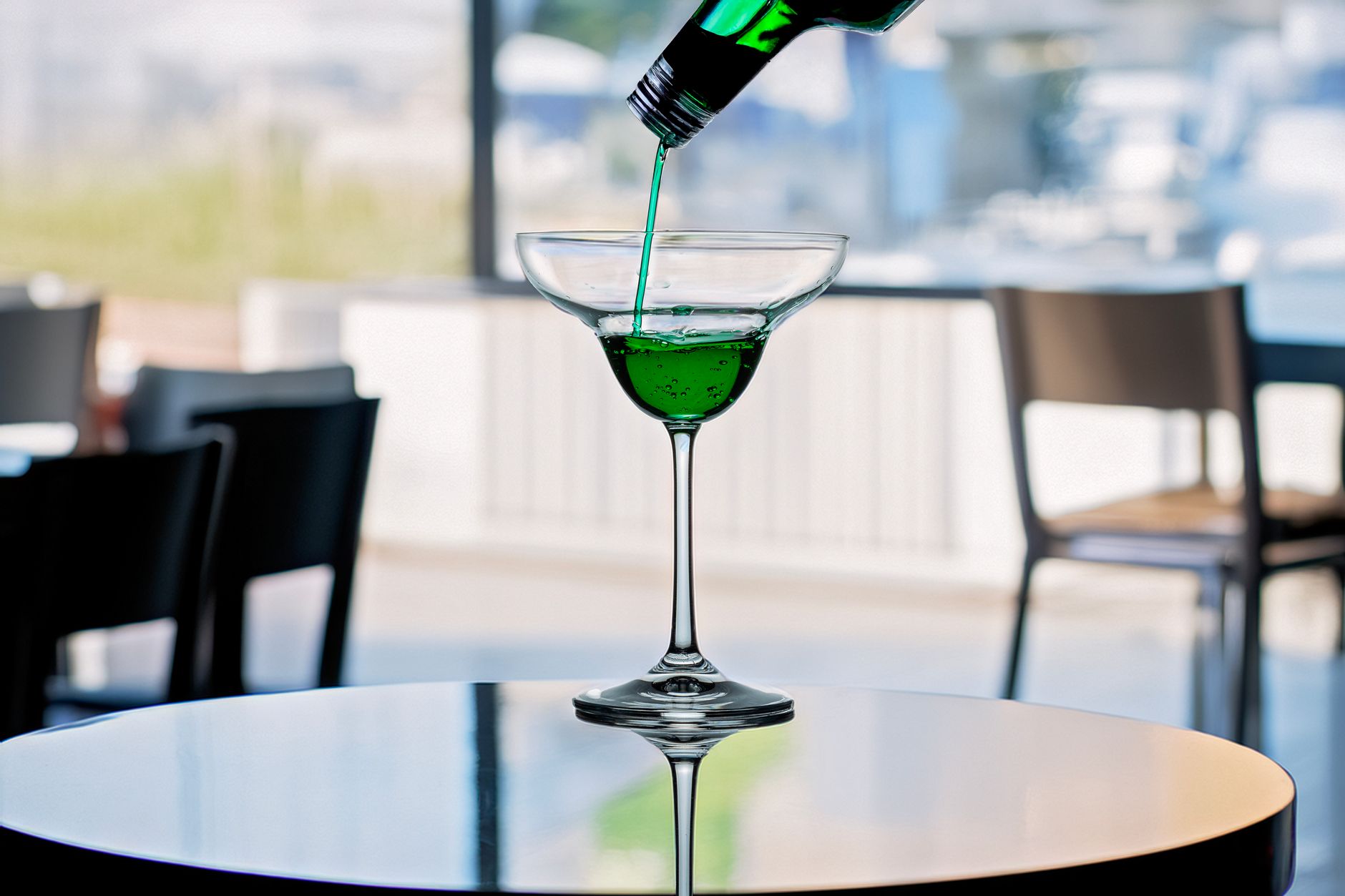
Absinthe is a highly alcoholic spirit known for its distinct green color and its association with artists and writers in the late 19th and early 20th centuries. Often referred to as “the Green Fairy,” absinthe’s complex flavor profile and aromatic properties make it a fascinating subject for both enthusiasts and curious newcomers.
This article explores what absinthe is made of, including its key ingredients, production process, and various serving tips that can enhance your enjoyment of this enigmatic drink.
What Is Absinthe Made Of?
Absinthe is primarily made from four main ingredients: wormwood, anise, fennel, and alcohol. Each ingredient contributes to the spirit’s unique flavor, aroma, and appearance. Through a distillation process, these components merge, creating a drink known for its herbal characteristics and complex profile.
Key Ingredients of Absinthe
Understanding the main ingredients of absinthe can help you appreciate the spirit’s flavor and the traditions associated with serving it. Below, we break down each of the key ingredients used in absinthe:
- Wormwood (Artemisia absinthium): This is the signature ingredient in absinthe, which gives the spirit its name. Wormwood contains a compound called thujone, which is responsible for its bitter flavor and contributes to its infamous reputation. The flavor profile is herbal, slightly bitter, and earthy, providing a strong foundation for the other flavors.
- Anise: This aromatic herb contains compounds that produce a sweet, licorice-like flavor. Anise balances the bitterness of wormwood with its warm, sugary characteristics. It plays a crucial role in absinthe’s overall taste, adding depth and complexity.
- Fennel: Similar to anise, fennel imparts a slightly sweet, herbal flavor. It complements the other ingredients and enhances the overall bouquet of the drink. It has a slightly milder taste compared to anise, which helps smooth out the bitterness of wormwood.
- Alcohol: The base spirit of absinthe is typically derived from grain or grape distillates. The alcohol content in absinthe can range between 45% to 75% by volume, making it a potent beverage. The distillation process concentrates the flavors and essential oils from the herbs, capturing their aromatic essence.
Additional Herbs and Botanicals
While wormwood, anise, and fennel are the primary ingredients, many artisanal absinthes include a variety of additional herbs and botanicals to create a unique flavor profile. Some common additions include:
- Angelica root: Adds an earthy, slightly sweet note.
- Juniper berries: Contribute a refreshing pine flavor.
- Melissa (lemon balm): Enhances the herbal bouquet with a citrusy aroma.
- Chamomile: Provides floral notes that soften the bitterness.
These botanicals are often used sparingly to maintain the balance of flavor while introducing intriguing subtleties that can define the character of different absinthe brands. Each distillery may have its proprietary mix, which reflects its unique take on this traditional spirit.
Production Process of Absinthe
The method of making absinthe varies among producers, but the essential steps typically include maceration, distillation, and coloring. Here’s an overview of the process to understand how these ingredients come together:
Maceration
In this initial step, the herbs are steeped in a high-proof alcohol. The goal is to extract their flavors and essential oils. This process can last anywhere from a few hours to a couple of weeks, depending on the recipe. The result is a concentrated herbal liquid infused with the essence of the ingredients.
Distillation
After maceration, the mixture undergoes distillation. The infused alcohol is heated, and as it vaporizes, it passes through a still. The vapor carries with it the flavors of the herbs, which then condense back into liquid form. This process can be repeated multiple times to achieve higher purity and concentration of flavors. The final distillation typically results in a spirit that is around 75% alcohol by volume.
Coloring
For green absinthes, the distilled liquid is often colored by adding chlorophyll from herbs. This step occurs either during or after the distillation process and contributes to the characteristic vibrant green hue. Some absinthes may be clear, while others may exhibit a range of colors, including shades of green, yellow, or even brown. The specific coloring process can also impact flavor, so be mindful of this component when selecting an absinthe.
Aging and Bottling
Traditionally, absinthe is not aged in wood barrels, as this can alter its flavor profile. However, some producers may choose to bottle their absinthe after a brief resting period to allow the flavors to meld. The resulting spirit is then filtered and bottled for sale, ready to delight consumers with its enchanting aroma and taste.
Serving Tips for Absinthe
Serving absinthe is an art form that can elevate the drinking experience. Here are details on traditional serving methods, garnishes, and pairings to enhance your enjoyment:
The Traditional French Method
This method is popular among absinthe aficionados and involves a few specific steps that allow for the drink’s complex aromas and flavors to emerge:
- Measure: Pour 1 ounce (30 ml) of absinthe into a glass.
- Sugar cube: Place a sugar cube on an absinthe spoon over the glass.
- Water dripper or pitcher: Slowly drip or pour chilled water over the sugar cube, allowing it to dissolve and drip into the absinthe. This process typically involves about 3 to 5 ounces (90 to 150 ml) of water, depending on personal preference and the specific absinthe.
- Louchet: As you add water, you’ll notice the absinthe turning milky or opaque. This is known as the louche effect, which releases the essential oils from the herbs, creating a beautiful transformation.
- Stir and enjoy: Optionally stir the mixture and savor while contemplating its layered flavors and aromas.
Other Serving Suggestions
Aside from the traditional method, absinthe can also be used in cocktails, providing a rich flavor base for mixed drinks. Consider these creative serving options:
- Absinthe Sours: Combine absinthe, fresh lemon juice, and simple syrup to create a tangy and refreshing cocktail.
- Death in the Afternoon: This classic cocktail blends absinthe with Champagne for a luxurious experience.
- Rinse in Cocktails: Use absinthe to rinse the glass in cocktails like the Sazerac, as the spirit’s distinct flavor subtly enhances the entire drink.
Food Pairings
Like wine, absinthe complements certain flavors, making it a great match for various dishes. Here are some suggested pairings:
- Seafood: The herbal notes of absinthe work well with seafood dishes like oysters or grilled fish.
- Cheese: Strong cheeses, such as Roquefort or aged Gouda, contrast wonderfully with the spirit’s bitter undertones.
- Desserts: Chocolate-based desserts also provide a rich pairing, as the sweetness complements absinthe’s complex flavor.
Unique Characteristics of Absinthe
Absinthe is distinguishable not only by its ingredients but also by its complexity and cultural significance. Here are a few unique characteristics that set it apart from other spirits:
High Alcohol Content
Absinthe is renowned for its high alcohol content, which can vary by brand. Unlike typical spirits, absinthe typically exceeds 60% alcohol by volume. Therefore, moderation is key, as its strong flavors can easily overwhelm. One must appreciate its potency and enjoy it responsibly.
Cultural and Historical Significance
Absinthe has a rich history, closely tied to artists and bohemians, particularly in France during the late 19th century. Its consumption became synonymous with creativity, especially among writers and painters like Vincent van Gogh and Oscar Wilde. The “Green Fairy” became a muse for many, leading to both adulation and controversy.
The drink was banned in several countries in the early 20th century due to concerns about the effects of thujone and its influence on artistic expression. However, it has since made a comeback, with many countries lifting the bans and allowing regulated production. The fascination with absinthe has persisted, feeding its cultural allure.
The Louche Effect
One of absinthe’s most enchanting attributes is the louche effect, which occurs when water is added to the spirit, causing it to become cloudy. This phenomenon is due to the essential oils that emulsify and cause the drink to lose its transparency. The aesthetic appeal of the louche adds to the ritualistic experience of enjoying absinthe.
Common Mistakes When Enjoying Absinthe
When it comes to absinthe, there are a few common mistakes that enthusiasts should avoid to ensure an optimal experience:
- Using hot water: Hot water can ruin the delicate flavors of absinthe, making it less enjoyable. Always use chilled or room temperature water.
- Add too much sugar: While sugar is often used to balance the flavors, excessive amounts can mask the herbal profile of the drink. A light drizzle should suffice.
- Neglecting proper glassware: Choose a proper absinthe glass or a narrow glass to appreciate the louche effect fully. Using the wrong glass can diminish the visual appeal.
- Versatile Pairings: Understanding the pairing process can often elevate your drink. Be mindful of what you enjoy with absinthe and respect individual tastes.
Storage and Shelf Life of Absinthe
Once opened, absinthe can last indefinitely when stored properly, though its flavors may evolve over time. Here are some essential storage tips:
- Seal tight: Ensure the bottle is tightly sealed to minimize oxidation and maintain the integrity of flavors.
- Store in a cool, dark place: Avoid direct sunlight and heat sources to protect the spirit from UV light that can degrade its quality.
- Upright position: Always store absinthe in an upright position to prevent the cork from deteriorating and affecting the contents.
Unopened bottles of absinthe can be kept for several years, while opened bottles are best consumed within a few years to enjoy the freshness of the herbs.
Conclusion
Absinthe is a captivating spirit made from a variety of ingredients, with wormwood, anise, and fennel as the key players. Its unique production process leads to diverse flavors, and it is deeply rooted in cultural history.
Whether you enjoy it traditionally or in cocktails, understanding what absinthe is made of enriches your appreciation of this fascinating drink.
Explore more about our tips on cocktails and beverages or discover new flavor profiles by checking out our detailed cooking guides.